
Metabolic Research Reference
Optimizing Metabolic Signaling: The Synergy of 5-Amino-1MQ and GLP-1 Receptor Agonists
A growing interest has emerged in combining 5-Amino-1MQ with GLP-1 receptor agonists (such as semaglutide or tirzepatide). Both are studied for metabolic health, but they operate through distinct physiological pathways — GLP-1s govern intake (satiety, insulin, gastric emptying) while 5-Amino-1MQ targets cellular energy output via NNMT inhibition and NAD+ preservation. Here's the biochemistry behind the proposed synergy, and the considerations that come with it.
NNMT
5-Amino-1MQ inhibits nicotinamide N-methyltransferase to preserve NAD+
Intake + output
GLP-1s control caloric intake; 5-Amino-1MQ supports metabolic output
RUO
5-Amino-1MQ is a research chemical — not FDA-evaluated; research use only
The compound
The biochemistry of 5-Amino-1MQ
5-Amino-1MQ is a small-molecule inhibitor of the enzyme nicotinamide N-methyltransferase (NNMT).
Mechanism: NNMT is often overexpressed in white adipose tissue and is associated with reduced cellular energy expenditure. By inhibiting NNMT, 5-Amino-1MQ prevents the methylation of nicotinamide, which helps preserve the pool of NAD+ within the cell.
Energy homeostasis: Higher intracellular NAD+ levels are essential for the activity of sirtuins (SIRT1) and AMPK — the master regulators of mitochondrial function, fatty-acid oxidation, and glucose homeostasis. Essentially, by “releasing the brakes” on these pathways, 5-Amino-1MQ may help increase the metabolic rate of adipocytes.
- Target: NNMT (overexpressed in white adipose tissue).
- Effect: preserves intracellular NAD+ by sparing nicotinamide methylation.
- Downstream: supports SIRT1 + AMPK → mitochondrial function and fatty-acid oxidation.
The partner class
The role of GLP-1 receptor agonists
GLP-1 receptor agonists work primarily through the incretin system. They mimic the body's natural glucagon-like peptide-1, which:
- Stimulates glucose-dependent insulin secretion.
- Suppresses inappropriate glucagon secretion.
- Slows gastric emptying to promote satiety.
- Acts on the central nervous system to decrease appetite.
The thesis
Potential synergy: why pair them?
The proposed benefit of combining these agents lies in targeting metabolic efficiency from two different directions.
- GLP-1s provide the “intake” control — regulating satiety and caloric intake to create the deficit for weight loss.
- 5-Amino-1MQ provides the “output” support — potentially upregulating mitochondrial activity and fatty-acid oxidation at the cellular level, which may help defend against the metabolic adaptation (slowing of metabolism) that often accompanies significant weight loss.
Considerations
Side-effect and risk profiles
While the theoretical synergy is compelling, both compounds have distinct profiles.
GLP-1 associated effects: most common are gastrointestinal distress (nausea, vomiting, diarrhea, or constipation), injection-site reactions, and, in some cases, fatigue.
5-Amino-1MQ considerations: as a research compound, the clinical data is significantly less robust than that of FDA-approved GLP-1 agonists. Potential risks involve systemic modulation of methylation pathways — because NNMT is involved in various metabolic processes, non-specific inhibition could theoretically interfere with cellular methylation needs.
Available in the catalog
Research compounds referenced here
RevHealth stocks 5-Amino-1MQ alongside the GLP-class research compounds discussed — all third-party COA verified and for laboratory research use only.
- 5-Amino-1MQ — NNMT inhibitor (injectable and oral formats).
- GLP1-SEMA — semaglutide-class GLP-1 research compound.
- GLP2-TRZ — tirzepatide-class dual GIP/GLP-1 research compound.
Medical disclaimer
Read before combining anything
This information is for educational and informational purposes only. It does not constitute medical advice, diagnosis, or treatment.
5-Amino-1MQ is currently considered a research chemical and has not been evaluated or approved by the FDA for the treatment of any medical condition. The combination of research peptides with potent metabolic agents carries risks that have not been established in clinical trials.
Always consult a licensed physician — particularly an endocrinologist or qualified medical professional — before starting, combining, or altering any pharmaceutical or supplemental regimen. Never disregard professional medical advice or delay seeking it because of something you have read here. All compounds sold through RevHealth are for research use only — not for human consumption.
Related Compounds
Continue Researching This Category
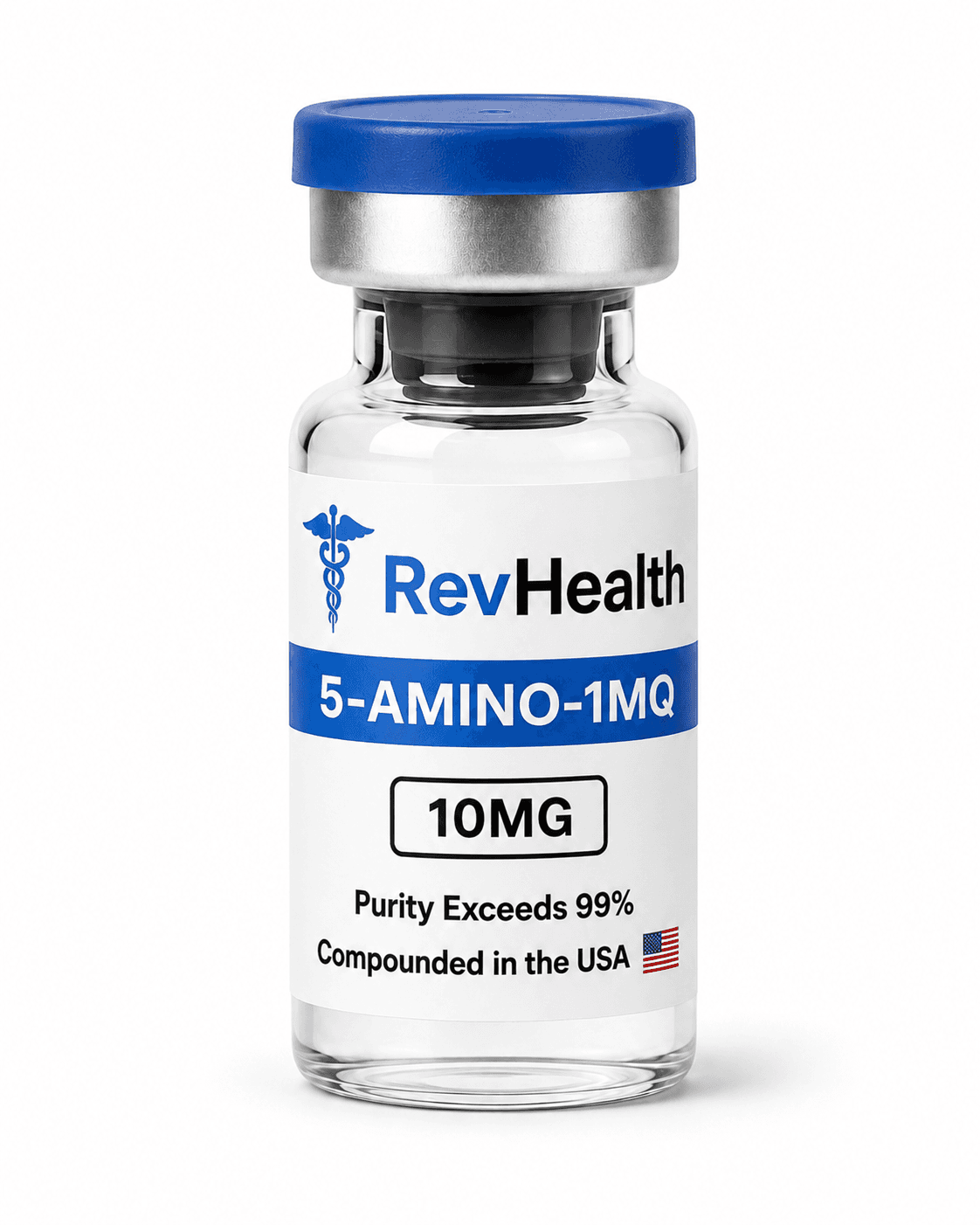
5-AMINO-1MQ 10MG
NAMPT pathway and metabolic research compound (10 mg per vial)
from $85
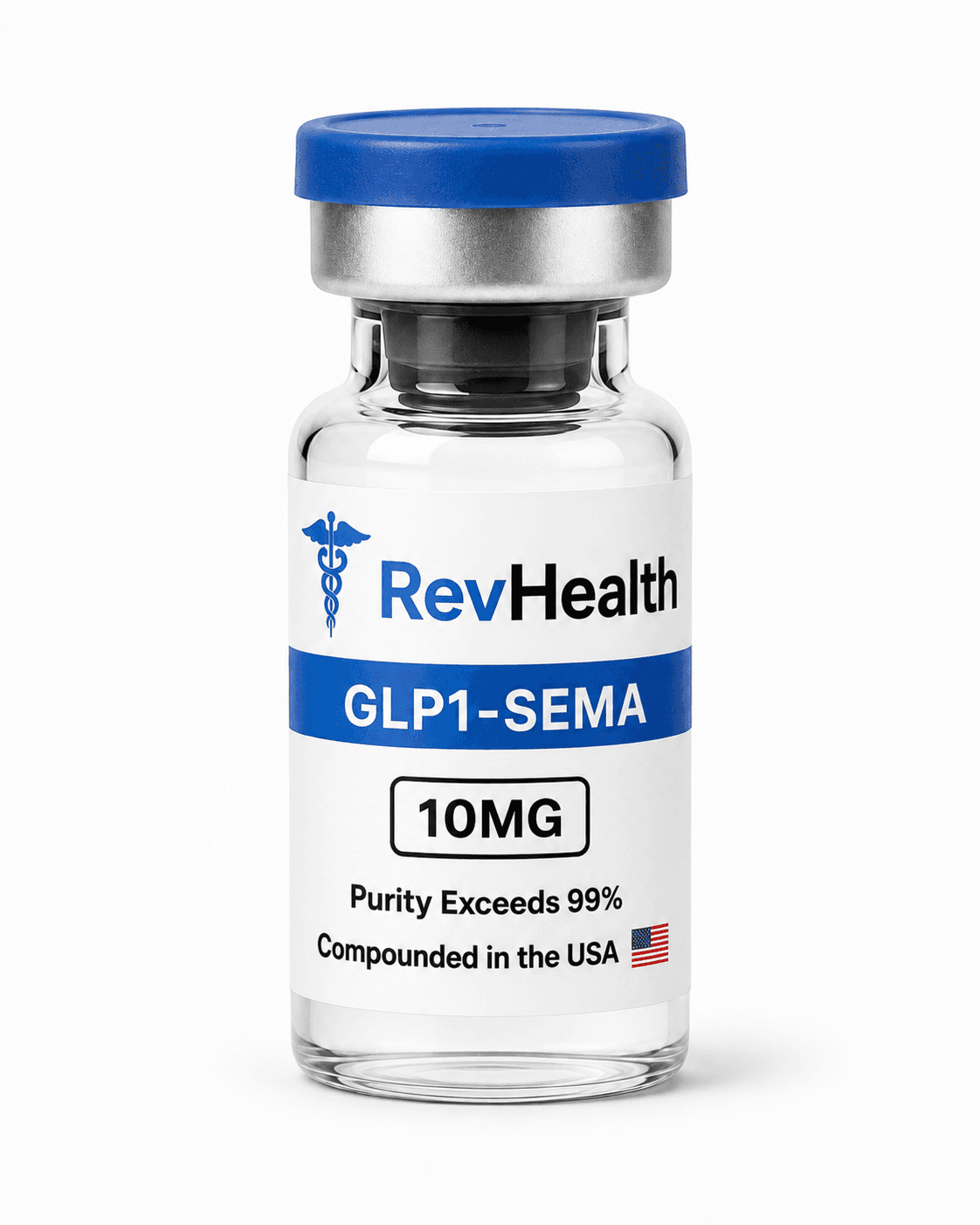
GLP1-SEMA
GLP-1 receptor agonist for metabolic research
from $83
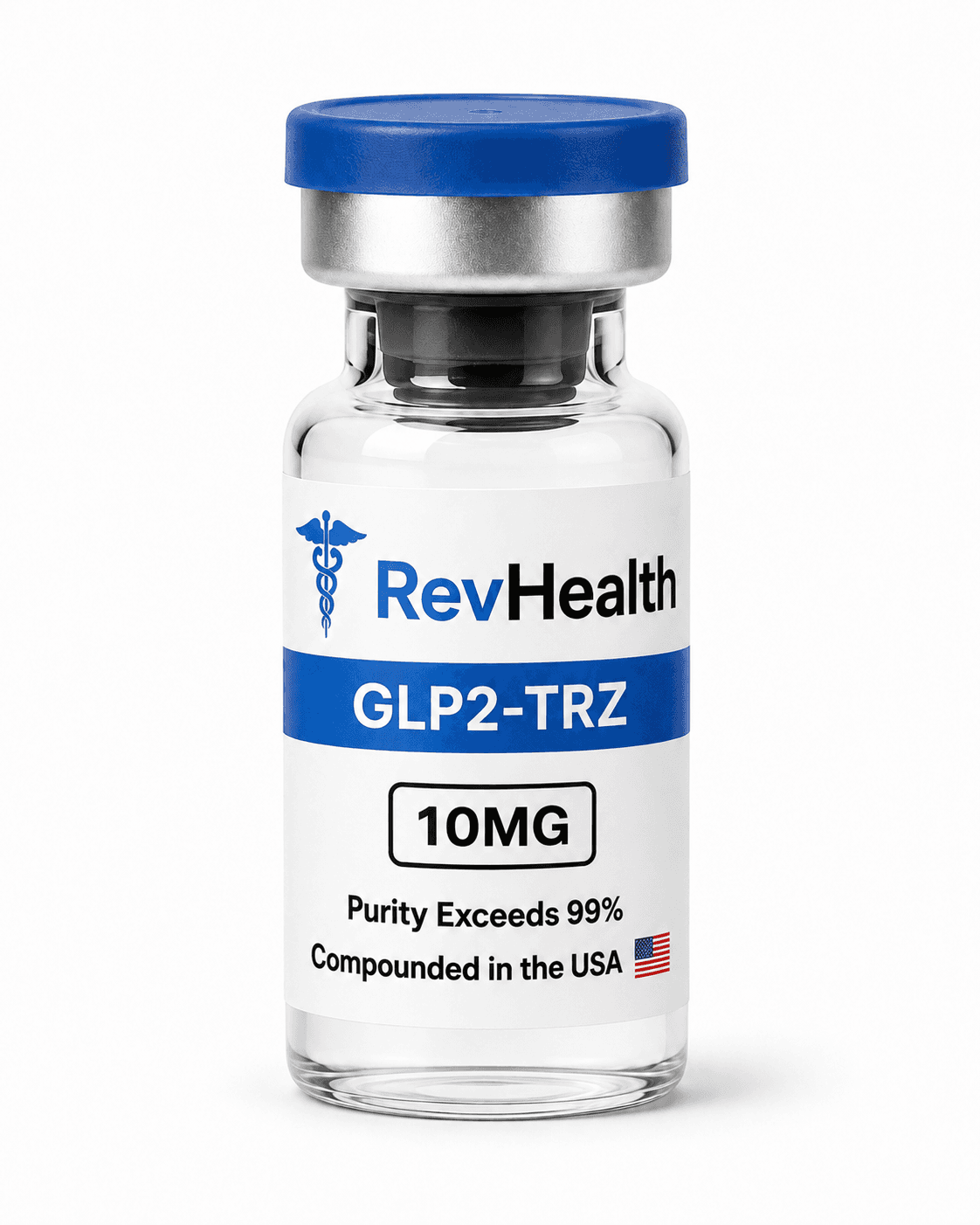
GLP2-TRZ
Dual GLP-1/GIP receptor agonist for metabolic research
from $109
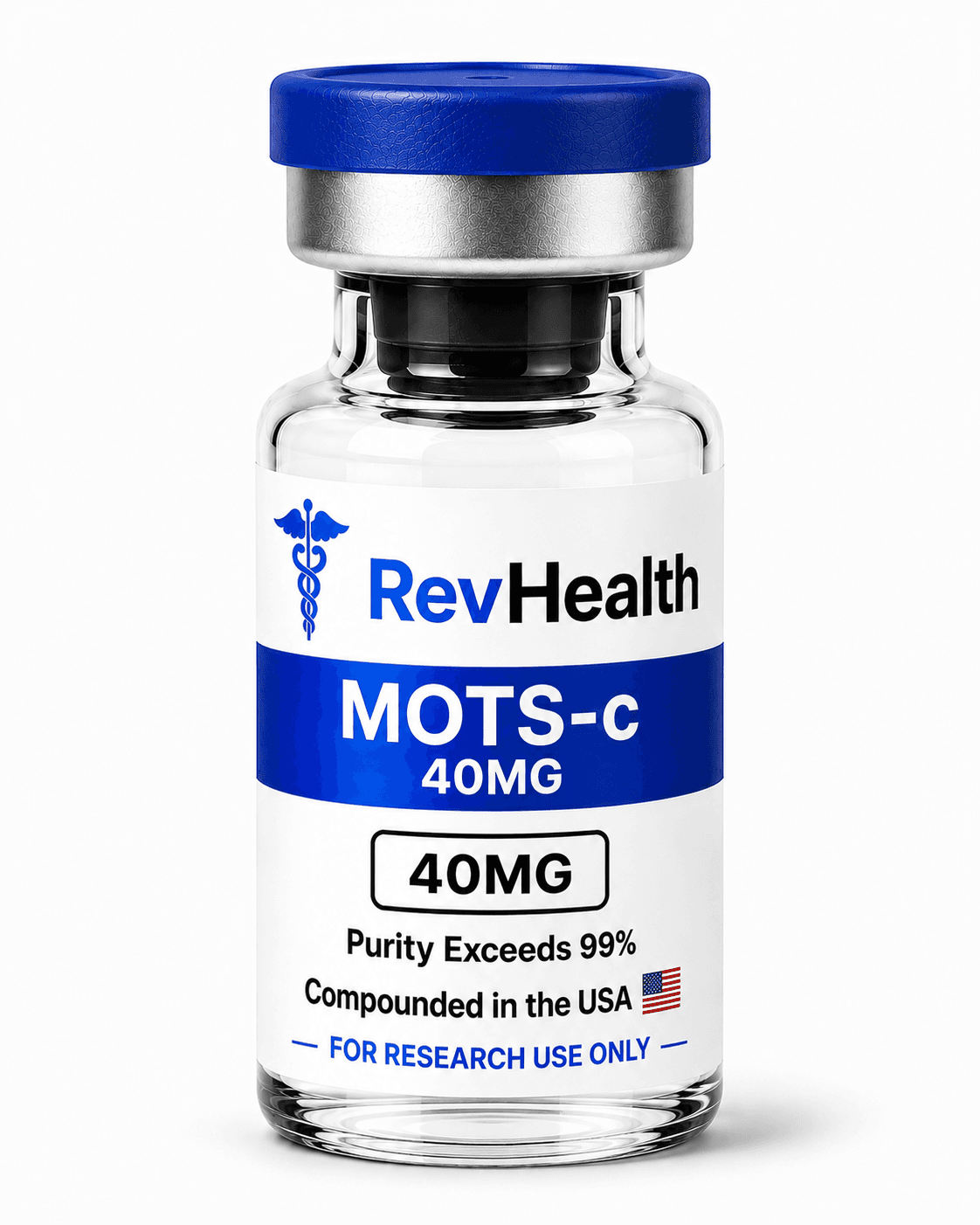
MOTS-C
Mitochondrial peptide for metabolic research (40 mg per vial)
from $70
Continue From This Update
Explore the research catalog behind these topics.
Browse verified research compounds with third-party analytical documentation and category-specific product pages.
Shop Research PeptidesResearch use only. This article is educational and does not constitute medical advice. Products referenced on Revitalized Health are not intended for human or veterinary use, diagnostic use, therapeutic use, or consumption.