
Metabolic Research
Adipotide: A Vascular-Targeted Approach to Fat Loss
Most weight-loss research today centers on GLP-1 and dual-agonist appetite suppression. Adipotide approaches the problem from the opposite end — vascular targeting that induces apoptosis in the endothelium supporting white adipose tissue. Different mechanism, different risk profile, and a different research role.
Vascular
Targets the endothelium of white-fat blood supply, not the brain
Renal
Dose-dependent kidney toxicity is the headline safety signal
Primate
Strongest published data set is in obese rhesus macaque models
What it is
A peptidomimetic with an unusual target
Adipotide — also referenced in the literature as CKD516 and FTPP (Fat-Targeted Pro-apoptotic Peptide) — is a synthetic peptidomimetic designed to address white adipose tissue from the vascular side rather than the metabolic side. Where GLP-1 receptor agonists like semaglutide and tirzepatide work centrally on appetite and insulin signaling, Adipotide works locally on the blood supply that feeds fat cells.
It's a single molecule with two functional halves: a homing motif that recognizes a marker on the endothelium of white-fat vasculature, and a pro-apoptotic effector that triggers programmed cell death once internalized. The combination is what lets the compound act selectively on adipose-supporting vessels rather than vasculature elsewhere.
Mechanism
Vascular targeting, apoptosis, regression
The mechanism has three sequential steps, each well-characterized in the Kolonin / Arap / Pasqualini program.
- Vascular targeting — the CKGGRAKDC motif binds prohibitin presented on the surface of white-adipose endothelium. Vessels feeding other tissues don't carry the same surface marker, so the binding is largely confined to WAT support vasculature.
- Apoptosis induction — once internalized, the D-(KLAKLAK)2 effector disrupts mitochondrial membranes in the endothelial cells, triggering programmed cell death.
- Fat regression — the supporting vessels die, the adipocytes downstream lose their nutrient and oxygen supply, and the surrounding fat mass is broken down. The effect is structural rather than hormonal.
Research applications
What the published work shows
The bulk of published Adipotide research lives in two places: the original mouse and rhesus-macaque obesity models from the early 2010s, and a series of follow-on adipose-pharmacology and targeted-delivery studies.
In obese rhesus macaques, treatment reduced body weight roughly 11% over four weeks of dosing, with concurrent improvements in insulin sensitivity and adiposity markers. The reduction was specifically in white-adipose mass — not lean mass — which is the property that's kept the compound interesting in body-composition research.
Because the targeting mechanism is structural (prohibitin presentation on vasculature) rather than receptor-mediated, Adipotide is also used as a proof-of-concept tool in broader vascular-targeted drug-delivery research that has little to do with weight loss directly.
- Body weight reductions in obese rhesus macaques (Barnhart et al. / Kolonin et al.).
- Improvements in insulin sensitivity and fasting glucose in the same primate cohort.
- Proof-of-concept comparator in tissue-selective vascular delivery research.
Safety profile
Renal toxicity is the headline signal
The dose-limiting toxicity across published Adipotide work is renal. Because the compound disrupts vasculature, the kidneys — which are highly vascularized and concentrate filtered peptides — see meaningful exposure. Effects in primate models have been described as reversible tubular injury at therapeutic doses, but the margin is narrow and the relationship is dose-dependent.
That safety profile is the reason Adipotide has not advanced into broad clinical use despite the body-composition data. It remains a research compound — appropriate for cell-line work, adipose-biology models, and primate efficacy studies in controlled settings, not as a treatment.
- Dose-dependent renal toxicity (tubular).
- Generally reversible in primate models after withdrawal.
- Not FDA-approved for any human indication; research use only.
Where it sits
Different mechanism, different research role
Adipotide isn't a competitor to the GLP-1 / GIP / glucagon class for clinical weight management — those drugs have an order-of-magnitude more clinical-trial exposure and a far cleaner safety profile, and they remain the standard of care.
The reason Adipotide is still studied is that the vascular-targeting mechanism gives researchers a clean way to dissect adipose biology from appetite biology. If you want to know what happens to a metabolic model when white fat regresses without any change to central appetite signaling, this is one of the few tools that gets you there.
Safety & disclaimers
Research use only
Adipotide is an experimental research compound. It is not FDA-approved for human use and is sold strictly for in vitro and laboratory research. The renal-toxicity profile above is not theoretical — it's the dose-limiting signal in the published primate work and the reason this compound is not in clinical practice.
All Revitalized research compounds are sold for research use only. Not for human consumption, diagnostic, or therapeutic use. Standard institutional biosafety guidelines apply.
References
Selected literature
Kolonin, M. G., Saha, P. K., Chan, L., Pasqualini, R., & Arap, W. (2004). Reversal of obesity by targeted ablation of adipose tissue. Nature Medicine, 10(6), 625–632.
Barnhart, K. F., Christianson, D. R., Hanley, P. W., Driessen, W. H., Bernacky, B. J., et al. (2011). A peptidomimetic targeting white fat causes weight loss and improved insulin resistance in obese monkeys. Science Translational Medicine, 3(108), 108ra112.
FDA (2024). Resources on the risks of unapproved peptide compounds and compounded weight-loss drugs.
Related Compounds
Continue Researching This Category
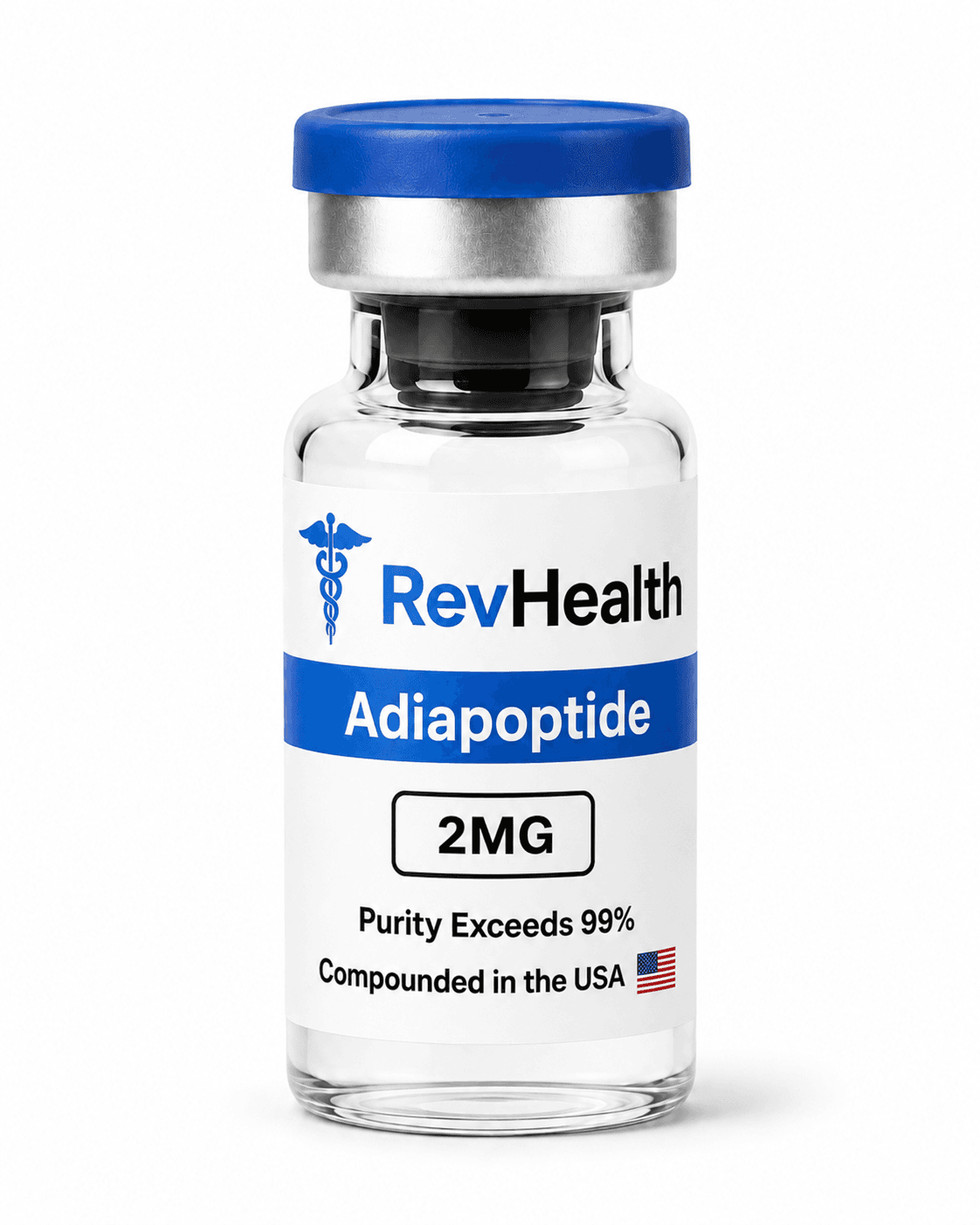
ADIAPOPTIDE
Adipose-targeted pro-apoptotic peptide (FTPP / Adipotide class)
from $65
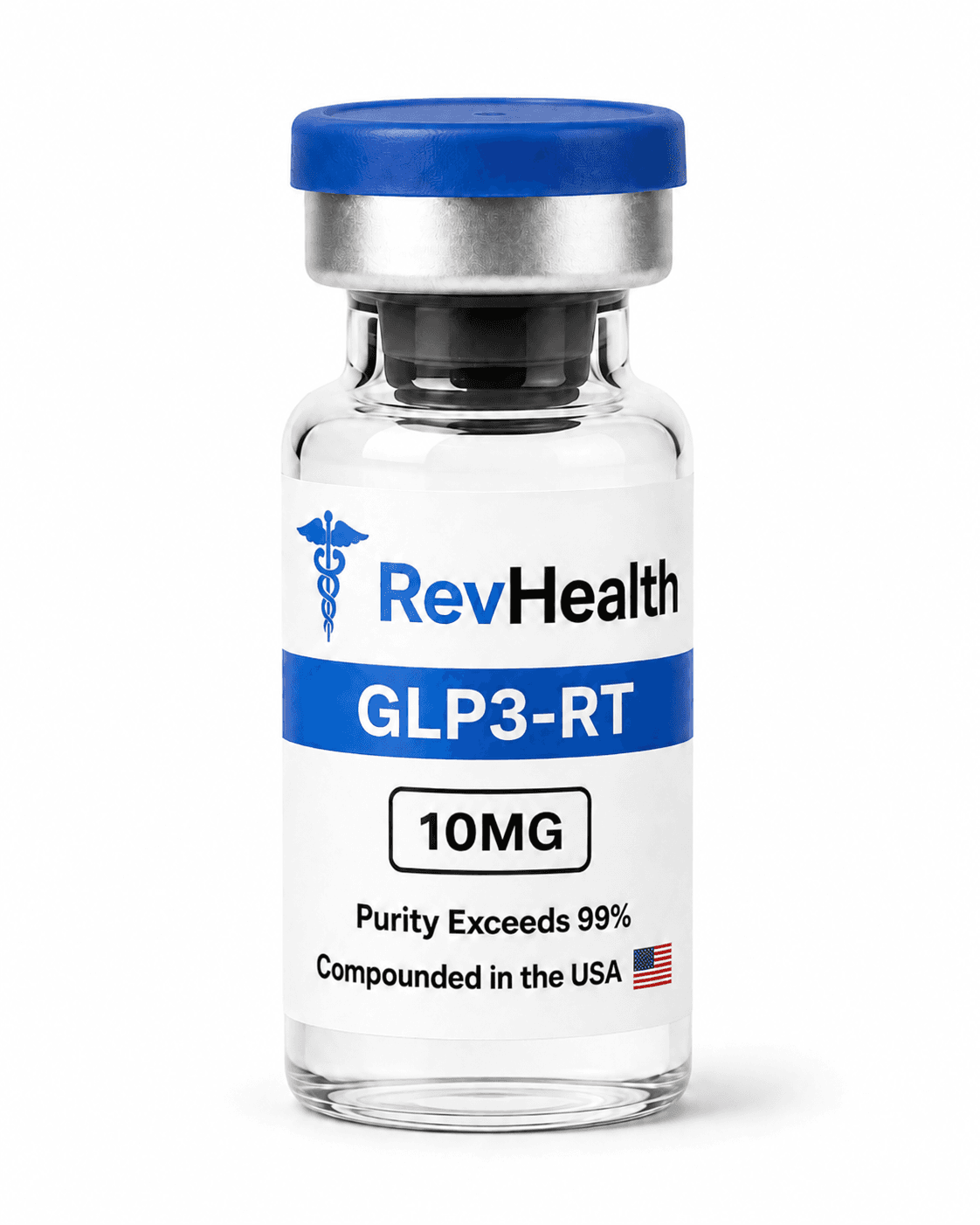
GLP3-RT
Triple GLP-1 / GIP / glucagon receptor agonist peptide. Research use only.
from $125
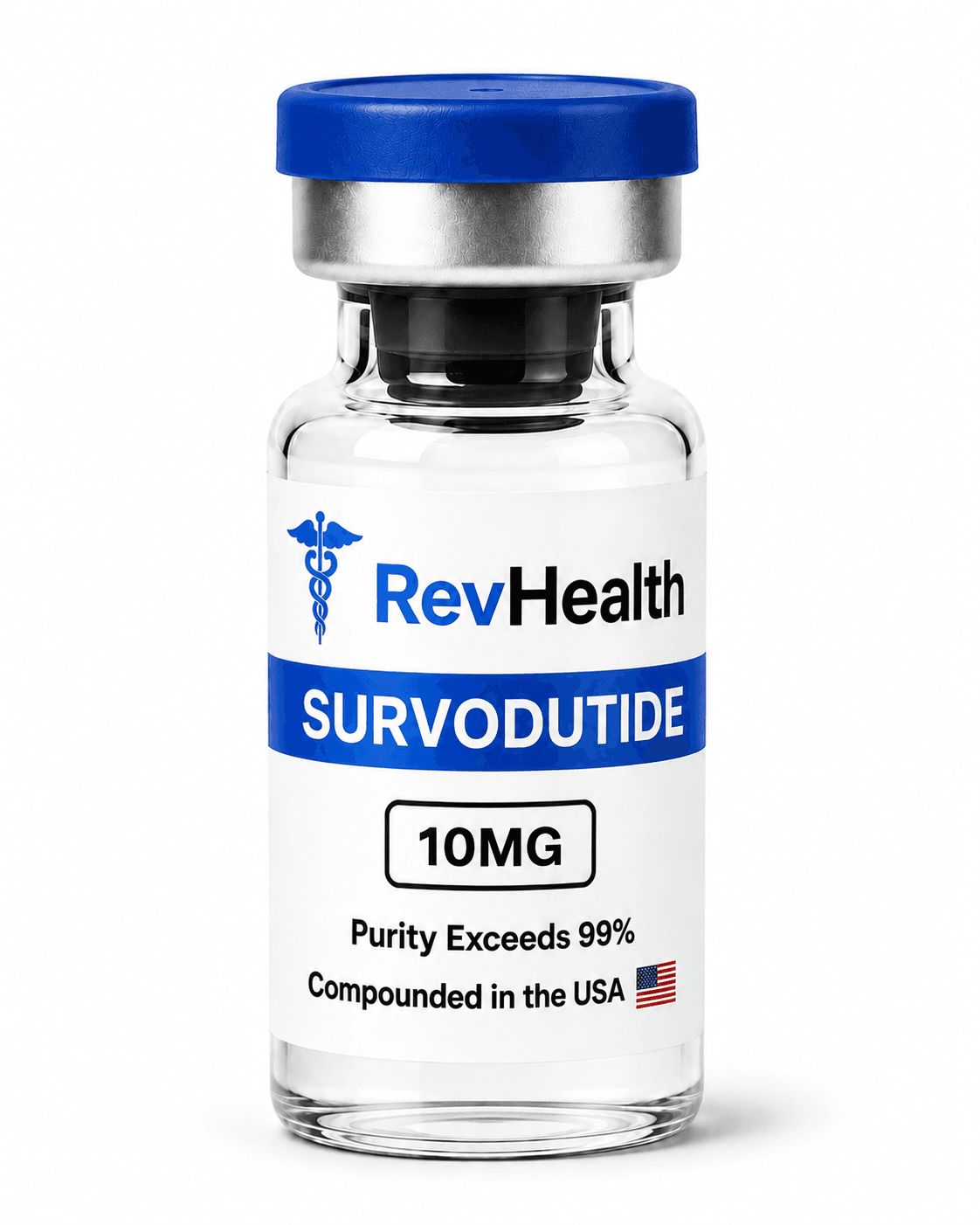
SURVODUTIDE 10MG
Dual GLP-1 / glucagon receptor agonist (10 mg per vial)
from $120
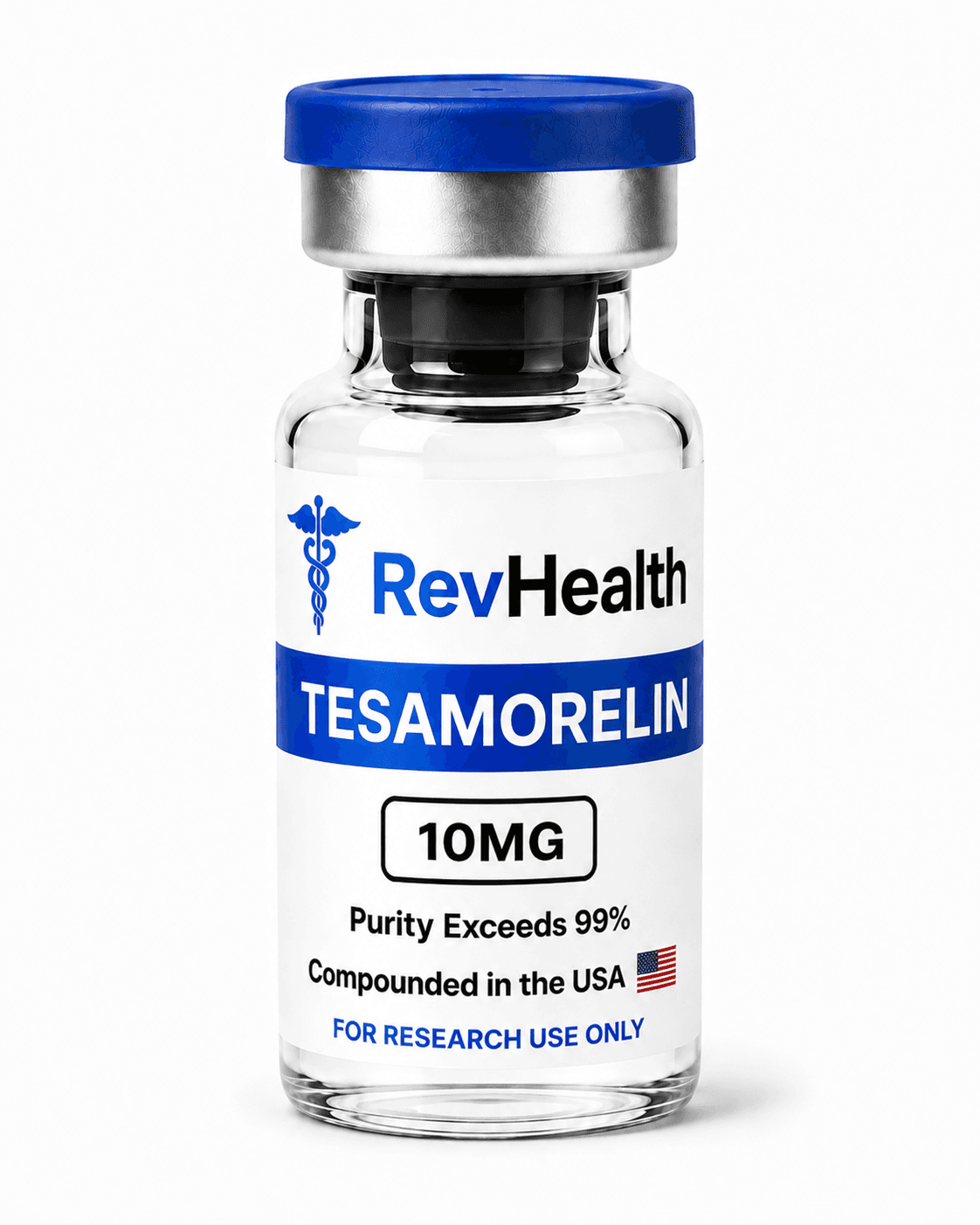
TESAMORELIN 10MG
GHRH analog for metabolic and body composition research
from $70
Continue From This Update
Explore the research catalog behind these topics.
Browse verified research compounds with third-party analytical documentation and category-specific product pages.
Shop Research PeptidesResearch use only. This article is educational and does not constitute medical advice. Products referenced on Revitalized Health are not intended for human or veterinary use, diagnostic use, therapeutic use, or consumption.