
Peptide Research Report
The Great Compounding Reversal, CagriSema's Report Card, and the May 2026 Cardiometabolic Pipeline
Early 2026 brought a regulatory pivot that ended the 'dark ages' of compounded peptide access, while the cardiometabolic pipeline split into competing schools across CagriSema, Survodutide, MariTide, and Mazdutide.
14–19
Peptides being restored to Category 1 status by HHS
23%
CagriSema 84-week weight loss in REDEFINE-4 Phase III
18.6%
Mazdutide placebo-adjusted weight reduction in MED Journal data
Lead Story
The Great Compounding Reversal: HHS and FDA Shift
The most significant news for the peptide research community in early 2026 isn't a new drug — it's a regulatory pivot. On February 27, 2026, the Department of Health and Human Services announced a formal re-evaluation of the 'Restricted List' that has shaped compounding pharmacy access since 2024.
Approximately 14 to 19 peptides — including BPC-157, Thymosin Alpha-1, CJC-1295, and MOTS-c — are being moved back to Category 1 status. The reversal stems from a lack of demonstrable safety signals to justify their prior removal.
Licensed compounding pharmacies are officially ramping up production again under physician supervision, effectively ending the 2024–2025 'dark ages' of domestic peptide access.
- BPC-157, Thymosin Alpha-1, CJC-1295, and MOTS-c are among the peptides being restored.
- The reversal cites a lack of demonstrable safety signals to justify the prior restrictions.
- Compounding pharmacies are resuming domestic production under physician supervision.
Pipeline Watch
CagriSema's 2026 Report Card
CagriSema has moved from 'promising pipeline' to the center of a clinical tug-of-war with Eli Lilly's Tirzepatide.
In the REDEFINE-4 Phase III head-to-head concluded in February 2026, the results were a 'victory with an asterisk.' Tirzepatide (15 mg) technically edged out CagriSema, showing 25.5% weight loss compared with CagriSema's 23% over 84 weeks. CagriSema failed to meet its primary non-inferiority objective, sparking debate over whether triple agonists like Retatrutide or dual agonists will ultimately reign.
While CagriSema slightly trailed in pure weight loss, REIMAGINE-2 data from February 2026 shows it significantly outperformed Ozempic in blood sugar control, achieving an HbA1c reduction of 1.91% versus Ozempic's 1.76%.
A meta-analysis presented at the American College of Cardiology in late March 2026 also flagged a 'side effect paradox': despite combining two mechanisms, CagriSema actually ranked better than semaglutide alone for GI tolerability, suggesting a synergistic 'smoothing' effect when the amylin analog is paired with the GLP-1.
Novo Nordisk officially submitted CagriSema for FDA approval in December 2025. A decision is expected by mid-to-late 2026. Beyond weight, CagriSema is the first fixed-dose multi-mechanism peptide to show a meaningful reduction in serum uric acid — a profile that may make it a primary choice for patients managing metabolic syndrome alongside gout or renal markers.
- REDEFINE-4: Tirzepatide 25.5% vs CagriSema 23% weight loss over 84 weeks.
- REIMAGINE-2: 1.91% HbA1c reduction vs Ozempic's 1.76%.
- ACC meta-analysis: better GI tolerability than semaglutide alone.
- FDA decision expected mid-to-late 2026.
Phase III Data
Survodutide: The Glucagon-First Winner
While the market is focused on GLP-1 and GIP, the April 28, 2026 topline results from the SYNCHRONIZE-1 Phase III trial highlight a different path: the GLP-1 / glucagon dual agonist Survodutide.
Unlike GIP-focused drugs, Survodutide's glucagon component directly targets energy expenditure and liver fat. The Phase III data showed a 16.6% average weight loss and a substantial clearance effect on liver lipids, positioning it as a likely gold standard for MASH (Metabolic Dysfunction-Associated Steatohepatitis).
The trial also reported a statistically significant reduction in waist circumference — visceral fat — far exceeding what caloric restriction alone would explain.
- 16.6% average weight loss in SYNCHRONIZE-1 Phase III.
- Glucagon component drives energy expenditure and hepatic fat clearance.
- Strong reduction in visceral adipose tissue beyond simple caloric restriction.
Dosing Innovation
MariTide's Quarterly Play
Amgen's MariTide (maridebart cafraglutide) is attempting to disrupt the weekly-injection lifestyle. The April 30, 2026 earnings call announced the launch of the MARITIME-Switch study.
The protocol tests a maintenance regimen where patients switch from weekly Wegovy or Zepbound to MariTide once every 8 weeks — or even once per quarter.
As a bispecific antibody-peptide conjugate, MariTide has an exceptionally long half-life. It doesn't just activate GLP-1; it antagonizes the GIP receptor — the opposite of Tirzepatide's approach. Amgen believes this creates a more stable metabolic floor for long-term weight maintenance.
- Maintenance dosing as infrequent as once per quarter.
- Bispecific antibody-peptide conjugate with extended half-life.
- Antagonizes GIP rather than activating it — opposite of Tirzepatide.
Emerging Modalities
The Rise of Picobodies and Graspetides
Q1 2026 introduced two new classes of molecules that look nothing like traditional linear peptides.
Graspetides are ribosomally synthesized macrocyclic peptides. Their strained cyclic structure makes them virtually immune to protease degradation. Recent bioinformatics-driven synthesis has unlocked a library of these capable of hitting traditionally 'undruggable' intracellular targets.
Picobodies are derived from bovine antibody knob domains — autonomous, ultra-structured peptides being engineered for radiopharmaceutical delivery. They allow clinicians to guide radioactive isotopes directly to tumor clefts with greater specificity than traditional antibodies.
- Graspetides: macrocyclic, protease-resistant, hit intracellular targets.
- Picobodies: ultra-structured, designed for targeted radiopharmaceutical delivery.
Final Takeaway
Mazdutide: The 18.6% Breakthrough
From the MED Journal on March 30, 2026, the high-dose (9 mg) Mazdutide results have set a new benchmark for dual-agonist efficacy in Asian populations.
In a 48-week study, Mazdutide achieved an 18.6% placebo-adjusted weight reduction. More notably, it showed a significant reduction in serum uric acid levels — a unique metabolic benefit that could make it a primary choice for patients with comorbid gout or chronic kidney markers.
Combined with the uric acid effect seen with CagriSema, the trend suggests the next generation of metabolic peptides will be evaluated not just on weight loss, but on the breadth of their cardiometabolic 'halo' across uric acid, blood pressure, hepatic lipids, and waist circumference.
Related Compounds
Continue Researching This Category
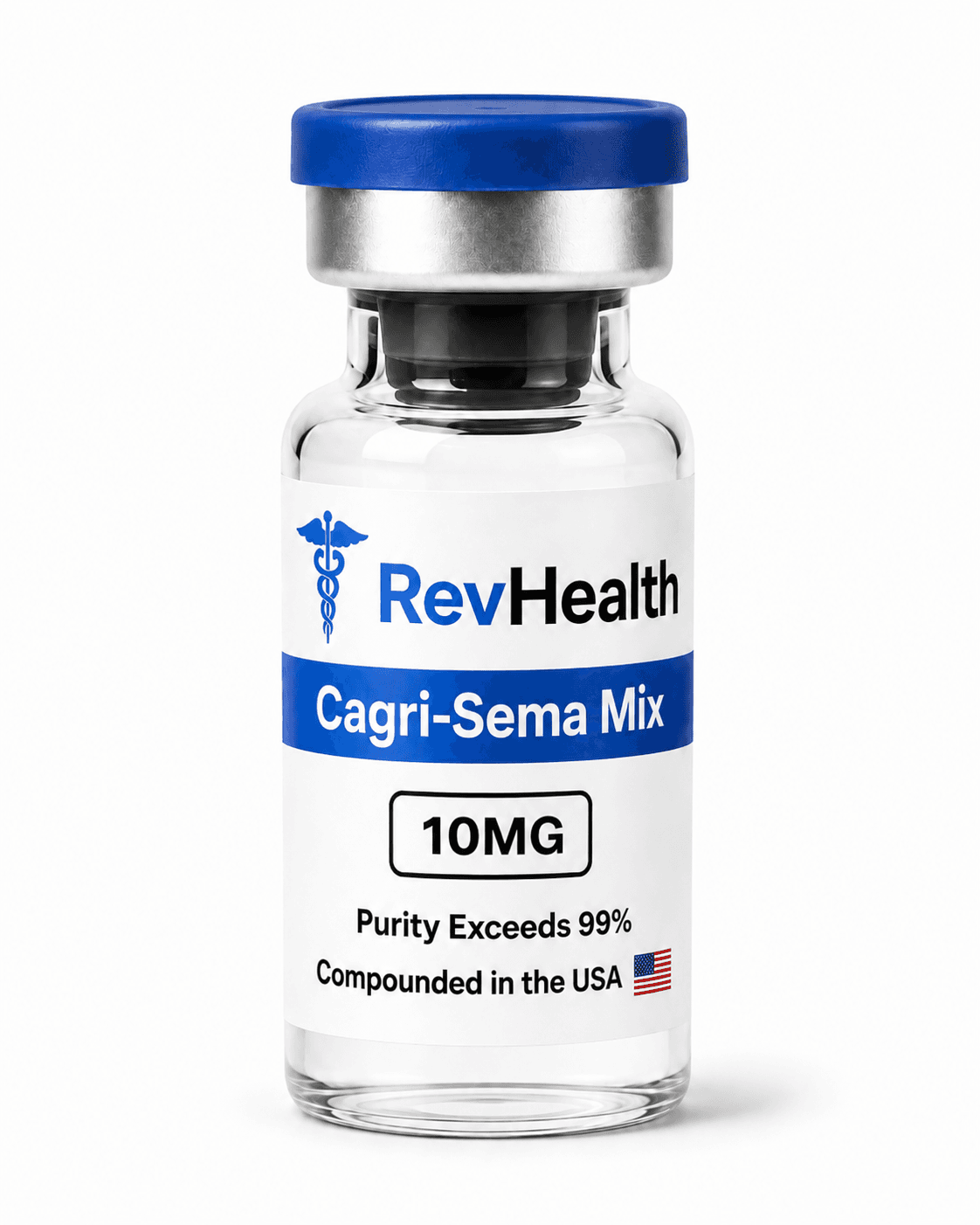
CAGRI-SEMA MIX
Cagrilintide + semaglutide combination preparation (10 mg per vial)
from $150
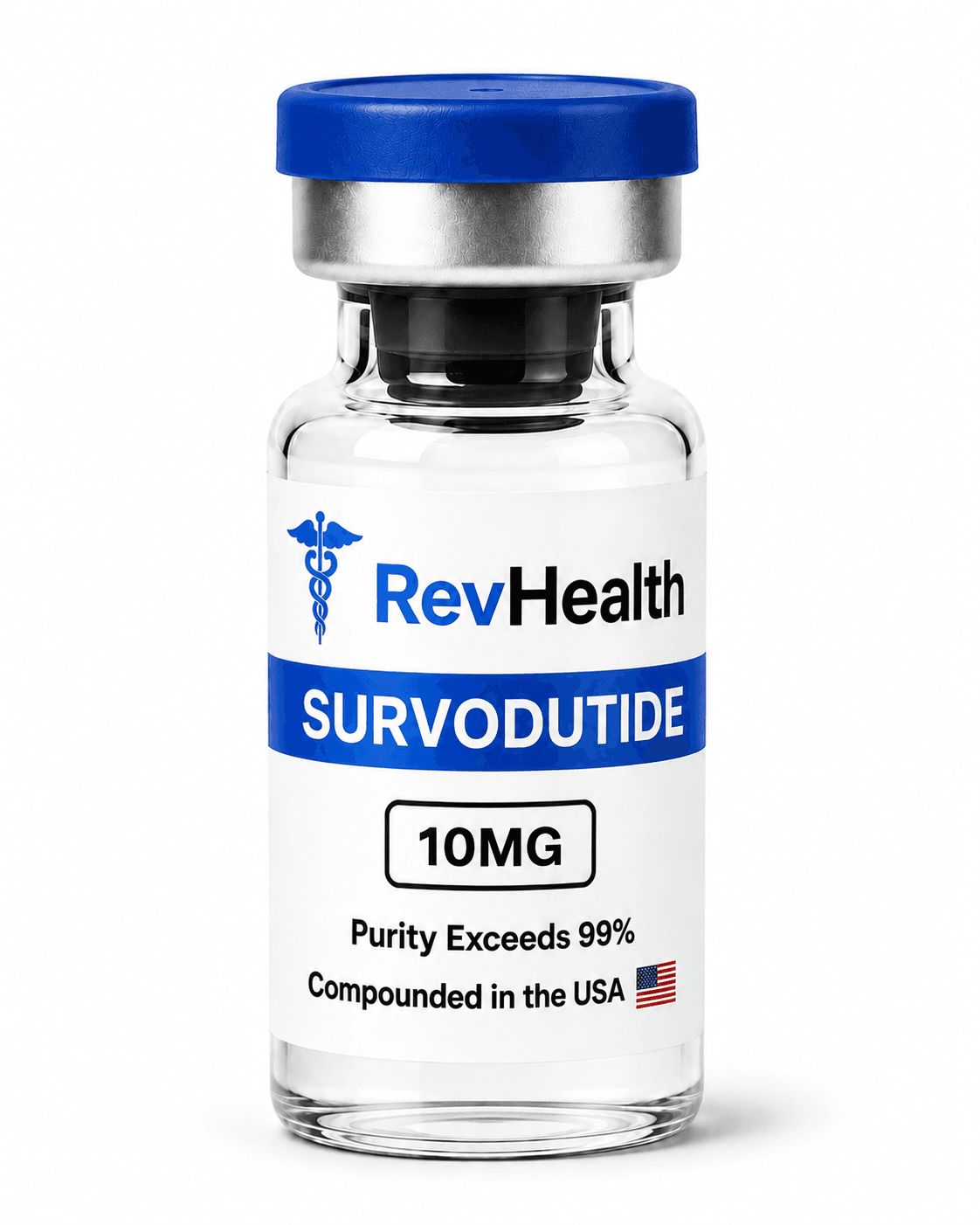
SURVODUTIDE 10MG
Dual GLP-1 / glucagon receptor agonist (10 mg per vial)
from $120
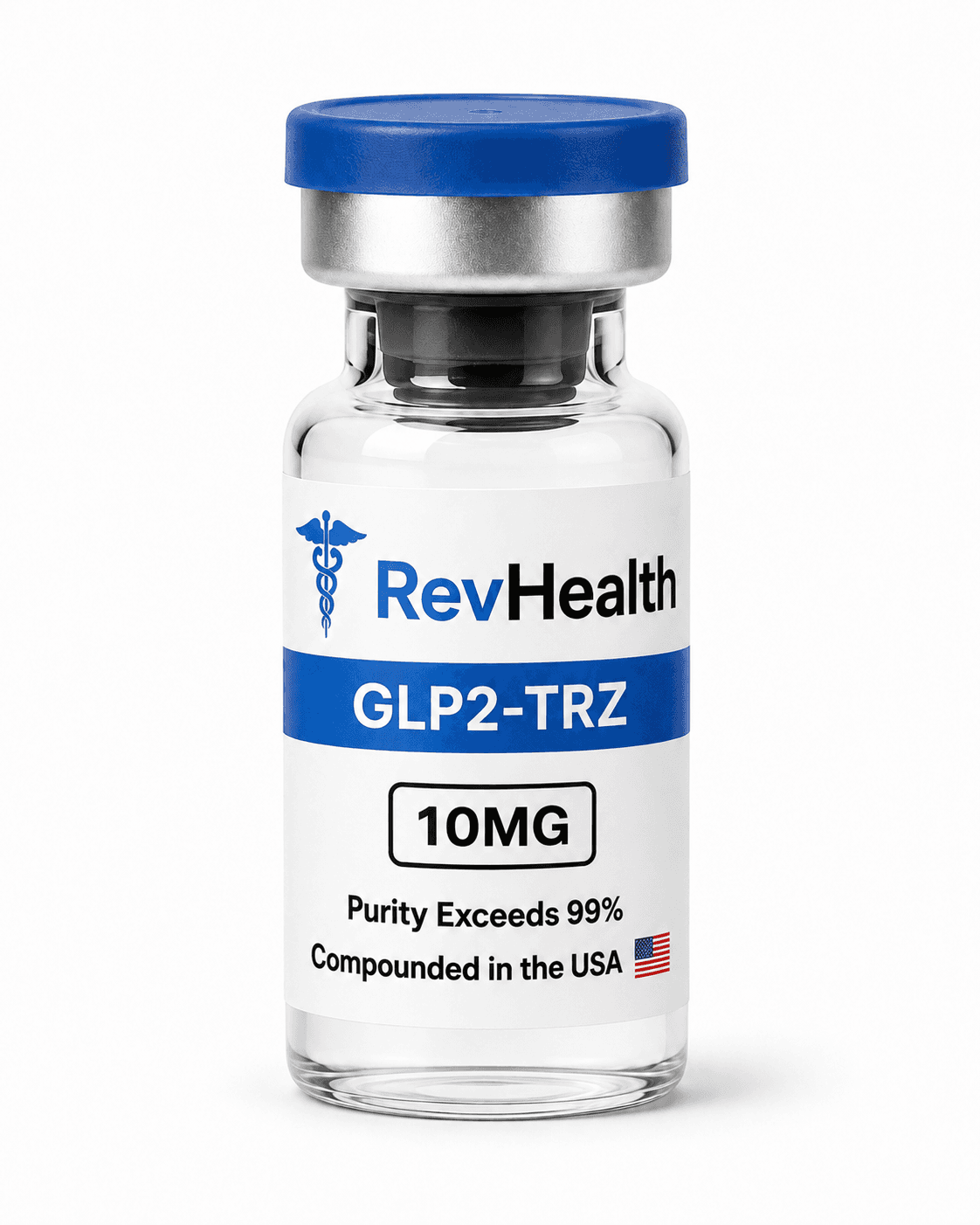
GLP2-TRZ
Dual GLP-1/GIP receptor agonist for metabolic research
from $109
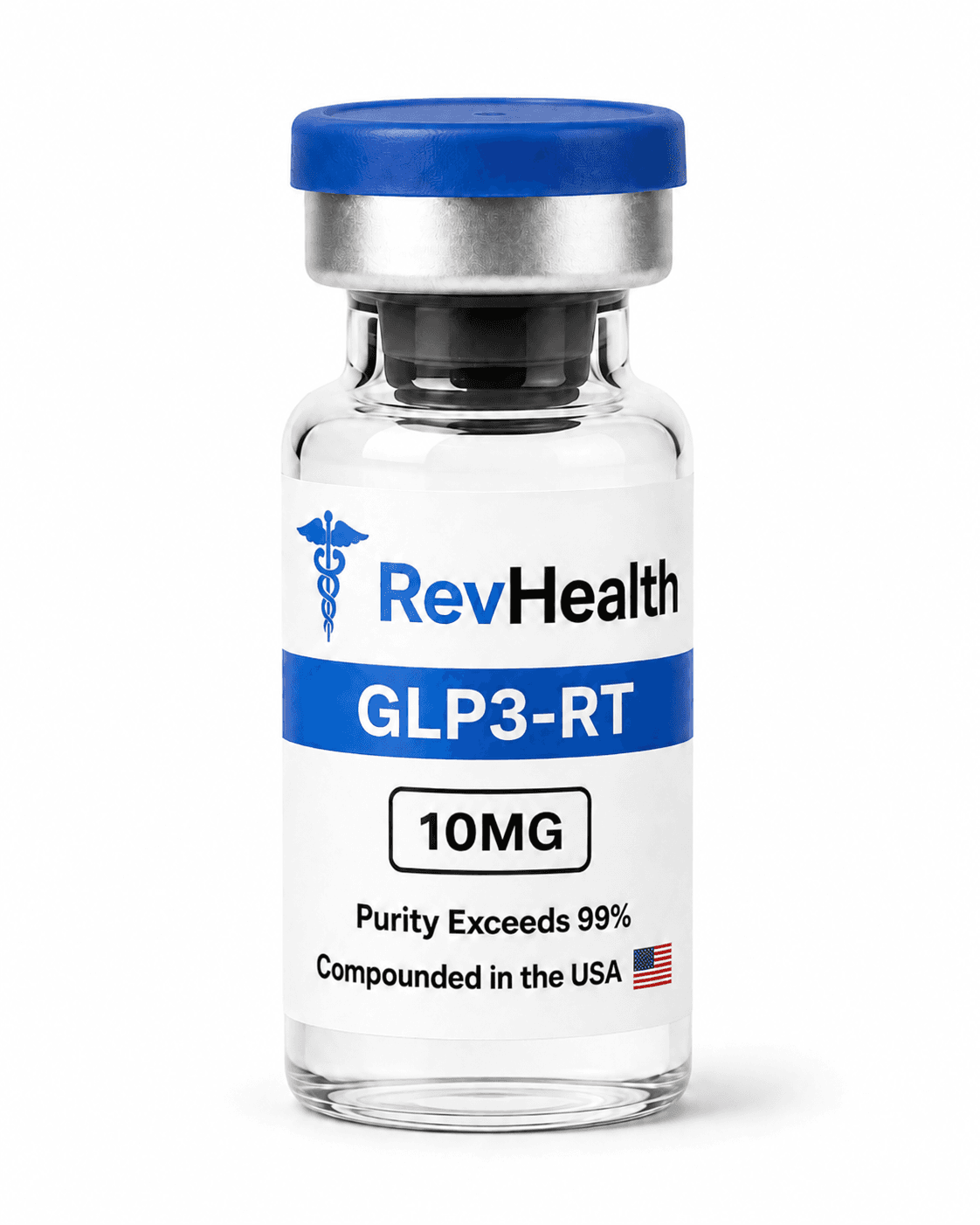
GLP3-RT
Triple GLP-1 / GIP / glucagon receptor agonist peptide. Research use only.
from $125
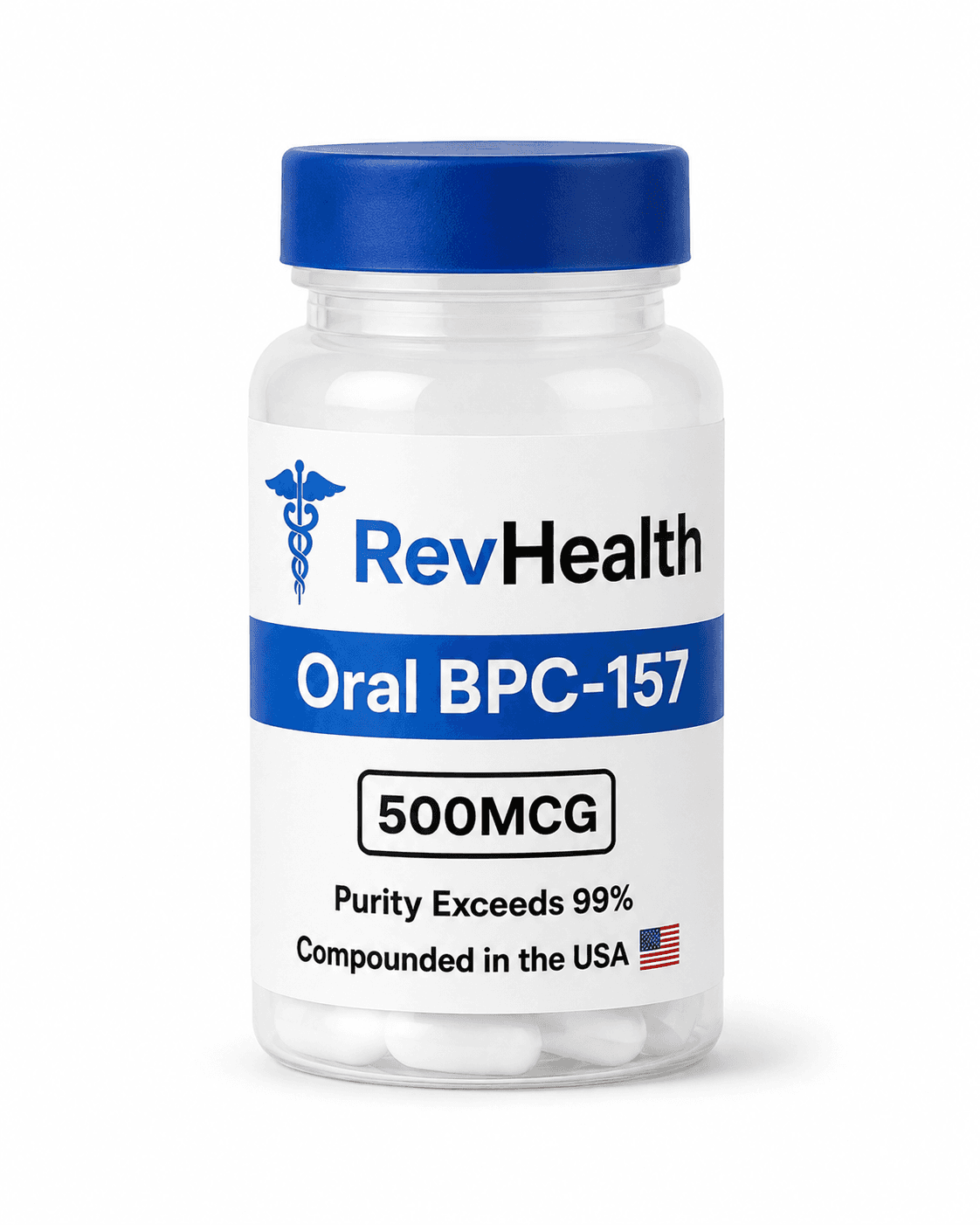
ORAL BPC-157
Oral capsule form of BPC-157 — gut-stable pentadecapeptide for tissue-repair research
from $90
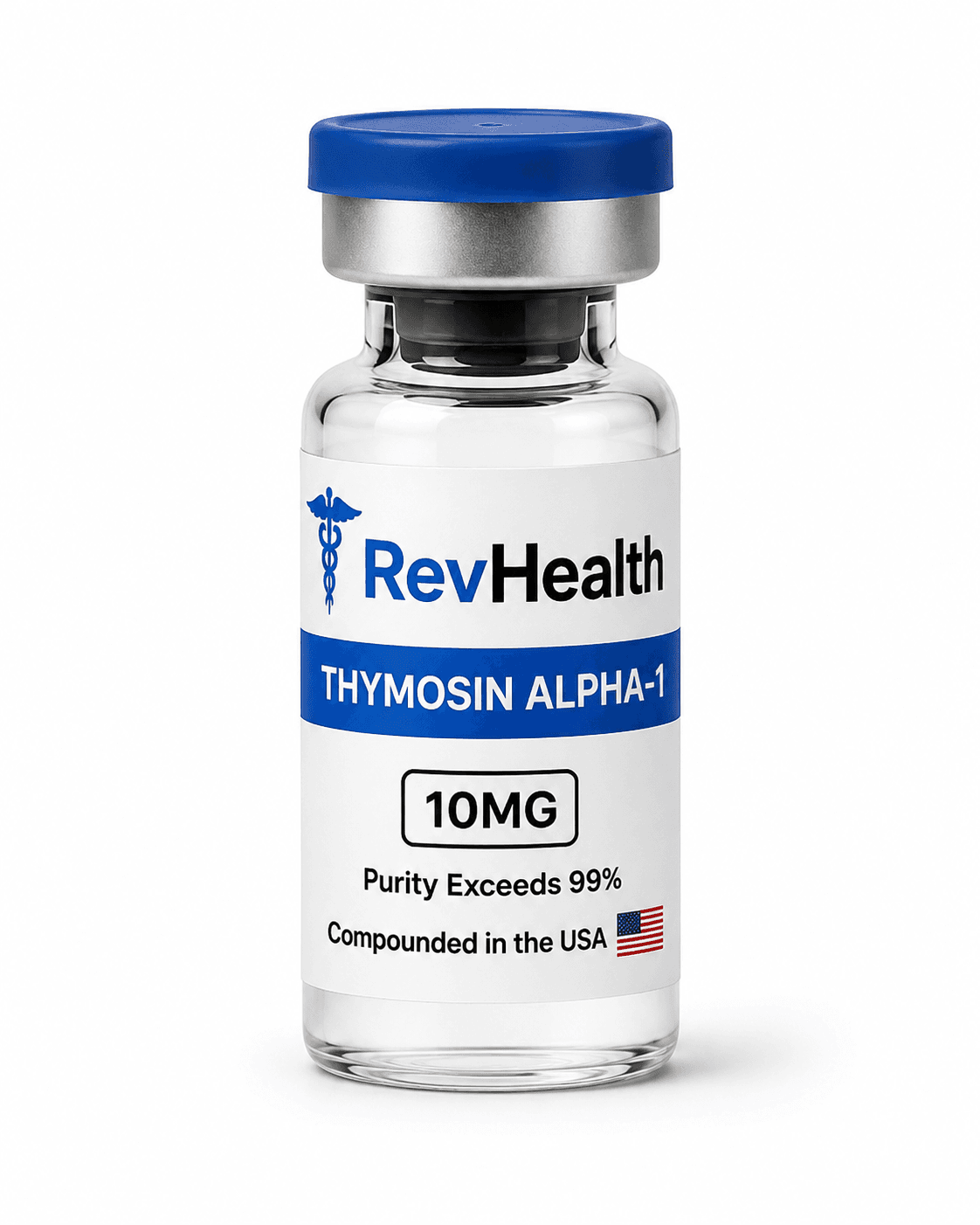
THYMOSIN ALPHA-1
Immune-modulating peptide for immunology research
from $75
Continue From This Update
Explore the research catalog behind these topics.
Browse verified research compounds with third-party analytical documentation and category-specific product pages.
Shop Research PeptidesResearch use only. This article is educational and does not constitute medical advice. Products referenced on Revitalized Health are not intended for human or veterinary use, diagnostic use, therapeutic use, or consumption.