
Metabolic Research Deep Dive
L-Carnitine: The Underrated Fat-Metabolism Nutrient With Heart-Health Research Behind It
L-carnitine isn't magic and it isn't a replacement for nutrition, training, or medical care. Its core job is shuttling long-chain fatty acids into the mitochondria for energy — which is why it's been studied for fat metabolism, exercise performance, glucose control, and cardiovascular outcomes. Here's what the literature supports, and what it doesn't.
−27%
All-cause mortality vs control in a post-heart-attack meta-analysis (Mayo Clinic Proceedings, 2013)
37 RCTs
A 2020 meta-analysis found reduced body weight, BMI, and fat mass — strongest in overweight/obese adults
~1.33 kg
Average extra weight lost vs placebo in a separate 2016 meta-analysis
What it actually is
A mitochondrial fatty-acid shuttle, not a fat-burning drug
L-carnitine gets talked about a lot in the fitness world, usually as a "fat burner." The real story is more interesting than that. L-carnitine is an amino-acid-derived compound whose main role is transporting long-chain fatty acids across the inner mitochondrial membrane, where they can be oxidized for energy.
That single mechanism — the carnitine shuttle — is why the same molecule shows up across so many different research areas: fat metabolism, exercise performance, glucose control, and cardiovascular outcomes. It isn't a replacement for nutrition, training, cardio, or medical care; it's a support compound that sits upstream of how efficiently cells burn fat for fuel.
- Core role: moves long-chain fatty acids into the mitochondria for beta-oxidation.
- Studied across fat metabolism, performance, glucose handling, and cardiac research.
- Best understood as a metabolic support tool, not a standalone weight-loss agent.
Cardiovascular data
The Mayo Clinic Proceedings 2013 meta-analysis
The most-cited L-carnitine paper isn't a single new trial — it's a systematic review and meta-analysis published in Mayo Clinic Proceedings (2013) that pooled 13 controlled trials covering 3,629 patients who had had an acute myocardial infarction. Versus placebo or control, L-carnitine was associated with meaningful reductions across several cardiovascular endpoints.
Framed accurately: the same analysis did NOT find a statistically significant reduction in heart failure or repeat heart-attack risk. The strongest signals were mortality, arrhythmias, and angina — and the population was post-MI patients, not the general public.
- −27% all-cause mortality vs control.
- −65% ventricular arrhythmias.
- −40% angina symptoms.
- No significant change in heart failure or repeat-MI risk in the pooled data.
Fat metabolism
Why it became popular for fat loss — and what the trials show
L-carnitine became popular in the fat-loss space because of its direct role in fatty-acid transport. The body can't efficiently burn long-chain fatty acids unless they're moved into the mitochondria, and L-carnitine is the shuttle. That does not mean supplementing automatically melts fat off — fat loss still comes from a calorie deficit, glucose/insulin management, training, consistent walking, and recovery.
The research does show a modest body-composition benefit. A 2020 systematic review and meta-analysis pooling 37 randomized controlled trials found L-carnitine supplementation significantly reduced body weight, BMI, and fat mass — with the strongest effect in adults who were overweight or obese. A separate 2016 meta-analysis found adults taking carnitine lost about 1.33 kg more than placebo groups. The NIH's Office of Dietary Supplements summarizes it the same way: the weight-loss research is mixed, but several trials and reviews suggest a small additional benefit, especially when combined with diet and exercise.
- 2020 meta-analysis (37 RCTs): significant reductions in body weight, BMI, and fat mass.
- 2016 meta-analysis: ~1.33 kg more weight lost vs placebo.
- NIH ODS: benefit is small and most apparent alongside diet and exercise.
Performance & recovery
A support tool when the foundation is already in place
L-carnitine is best viewed as a support tool, not a miracle fat-loss drug. It may support fatty-acid metabolism, training output, recovery, and body composition when the basics are already handled. The people who tend to get the most out of it are the ones already consistent with meals, cardio, resistance training, and sleep.
For athletes and people dieting hard, it may help the body rely more efficiently on fat as a fuel source. The performance research is genuinely mixed, though — some studies show improvements in lactate, recovery, oxygen consumption, and perceived exertion; others show little to no benefit.
Framing the data
Don't misframe the heart-health research
This is the part that gets overstated most. The Mayo Clinic Proceedings meta-analysis is promising, but the strongest data is in people recovering from a heart attack — not a blanket claim that L-carnitine prevents heart attacks in healthy people. The NIH also notes that overall cardiovascular trial results have been mixed and that more research is needed to understand long-term effects.
Wrong: "L-carnitine prevents heart attacks." Right: In a meta-analysis of patients after an acute myocardial infarction, L-carnitine was associated with reductions in all-cause mortality, ventricular arrhythmias, and angina symptoms.
Safety & downsides
More is not better — GI effects and the TMAO question
Higher supplemental doses — around 3 g/day — can cause nausea, vomiting, abdominal cramps, diarrhea, and a fishy body odor in some people.
There are also ongoing questions about TMAO, a compound produced by gut bacteria from carnitine metabolism that may be linked to cardiovascular risk in certain populations, especially with high red-meat intake. The NIH notes the implications still aren't fully understood and require more research.
- ~3 g/day can trigger GI upset and a fishy body odor in some users.
- TMAO: a carnitine-derived gut metabolite under investigation for possible cardiovascular risk.
- Net: the dose-response and long-term cardiovascular picture are still being worked out.
Bottom line
A metabolic nutrient with real — but specific — research support
L-carnitine isn't just another "fat burner." It's a nutrient-like compound involved in mitochondrial fat metabolism, and the research shows potential benefits for modest weight loss, fat-mass reduction, glucose metabolism, exercise recovery, and cardiovascular outcomes in specific clinical populations.
For fat loss, it works best as part of a complete system — calorie control, high protein, resistance training, daily steps/cardio, glucose management, and consistency. For heart health, the post-MI data is the strongest signal, not a general-population claim.
In our catalog
Stocked now — research grade
We carry L-Carnitine as a 600 mg multi-dose, lyophilized, research-grade vial. For the broader mitochondrial / metabolic landscape, the catalog also includes MOTS-c, SS-31, and 5-Amino-1MQ — useful comparators when designing a fatty-acid-oxidation or mitochondrial-energetics research arm.
Safety & disclaimers
Research use only
Compounds sold through Revitalized are for research and laboratory use only. Not for human consumption, diagnostic, or therapeutic use. The information above is summarized from the published literature for educational purposes and is not medical advice.
Related Compounds
Continue Researching This Category
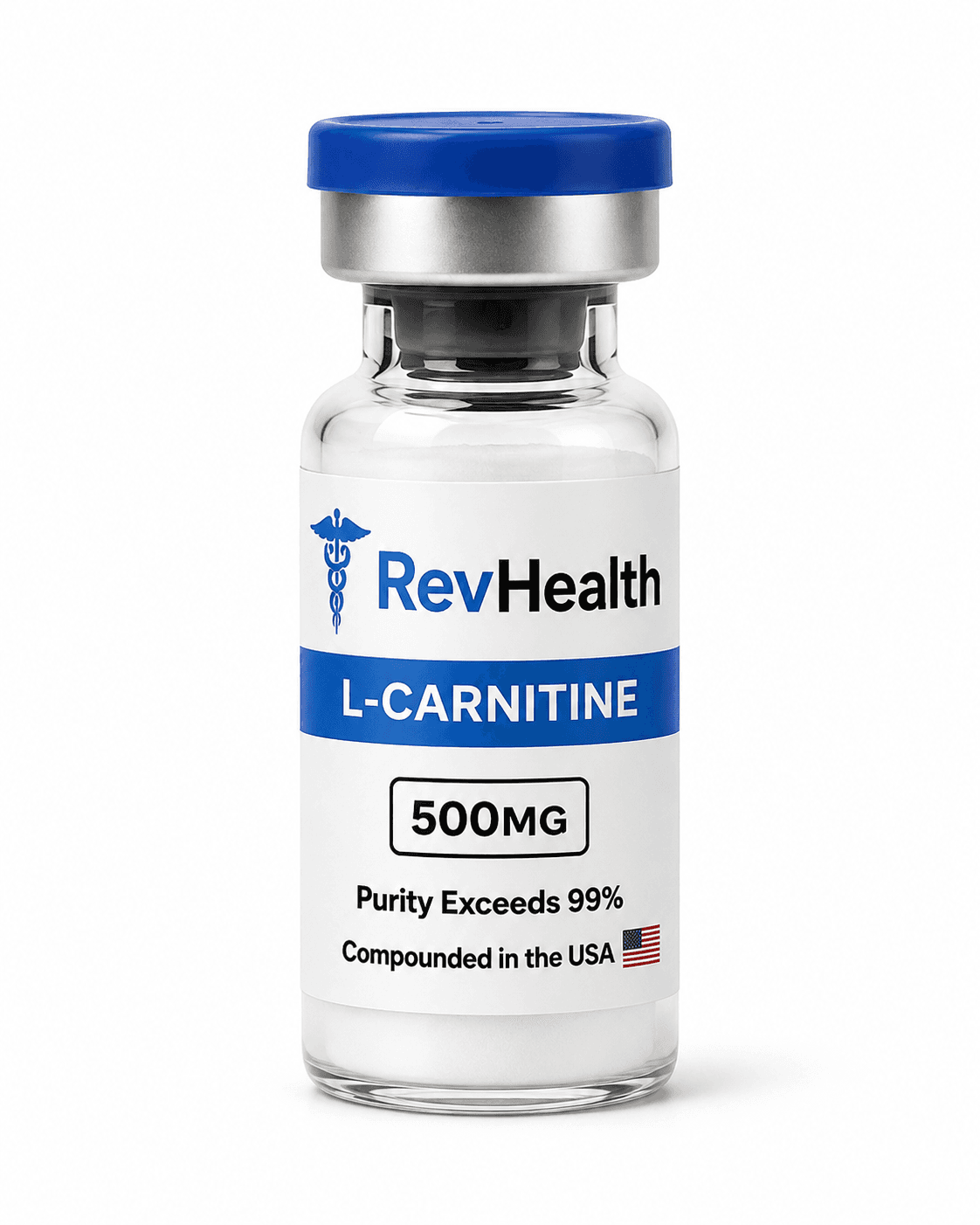
L-CARNITINE
Fat metabolism and energy production compound
from $70
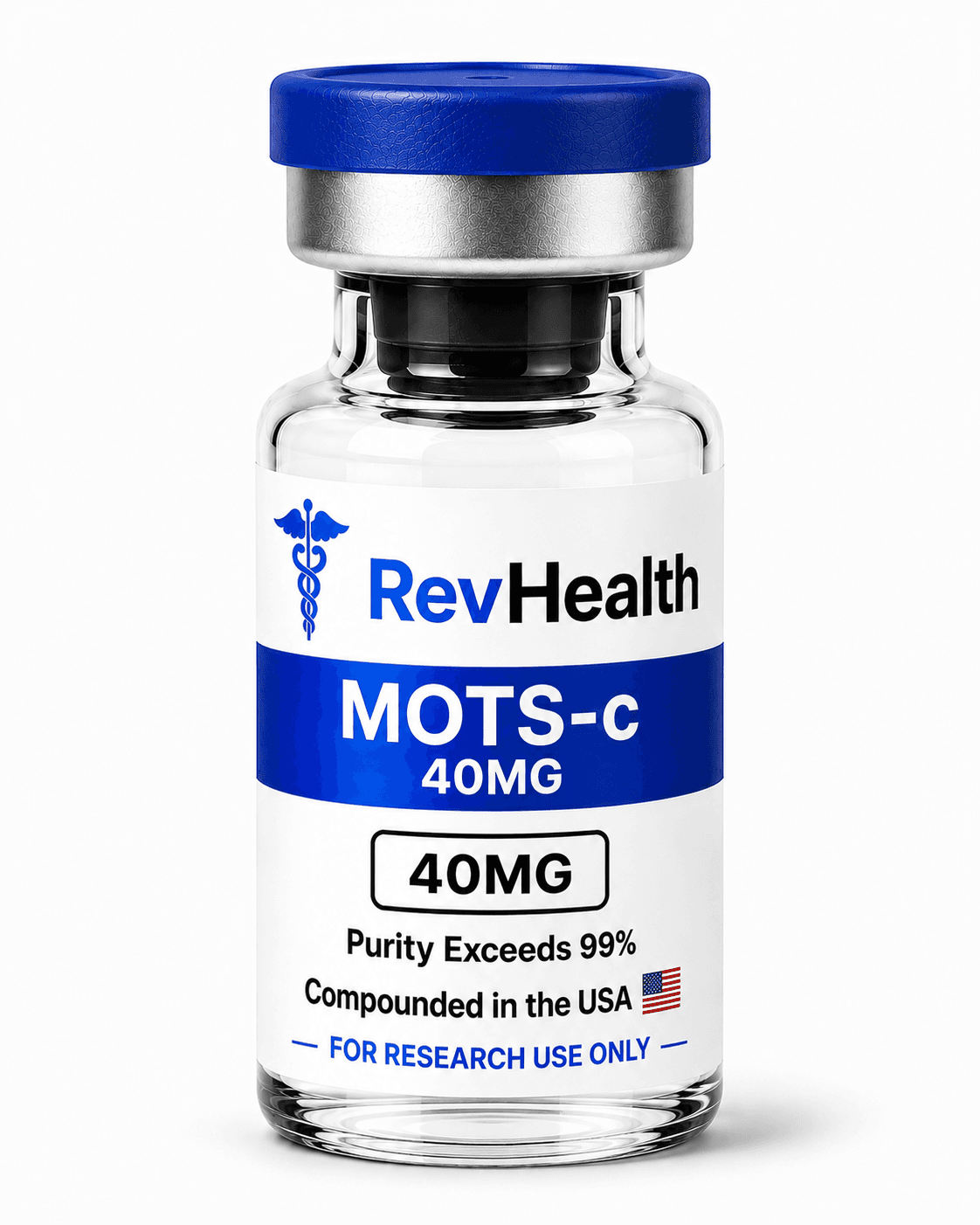
MOTS-C
Mitochondrial peptide for metabolic research (40 mg per vial)
from $70
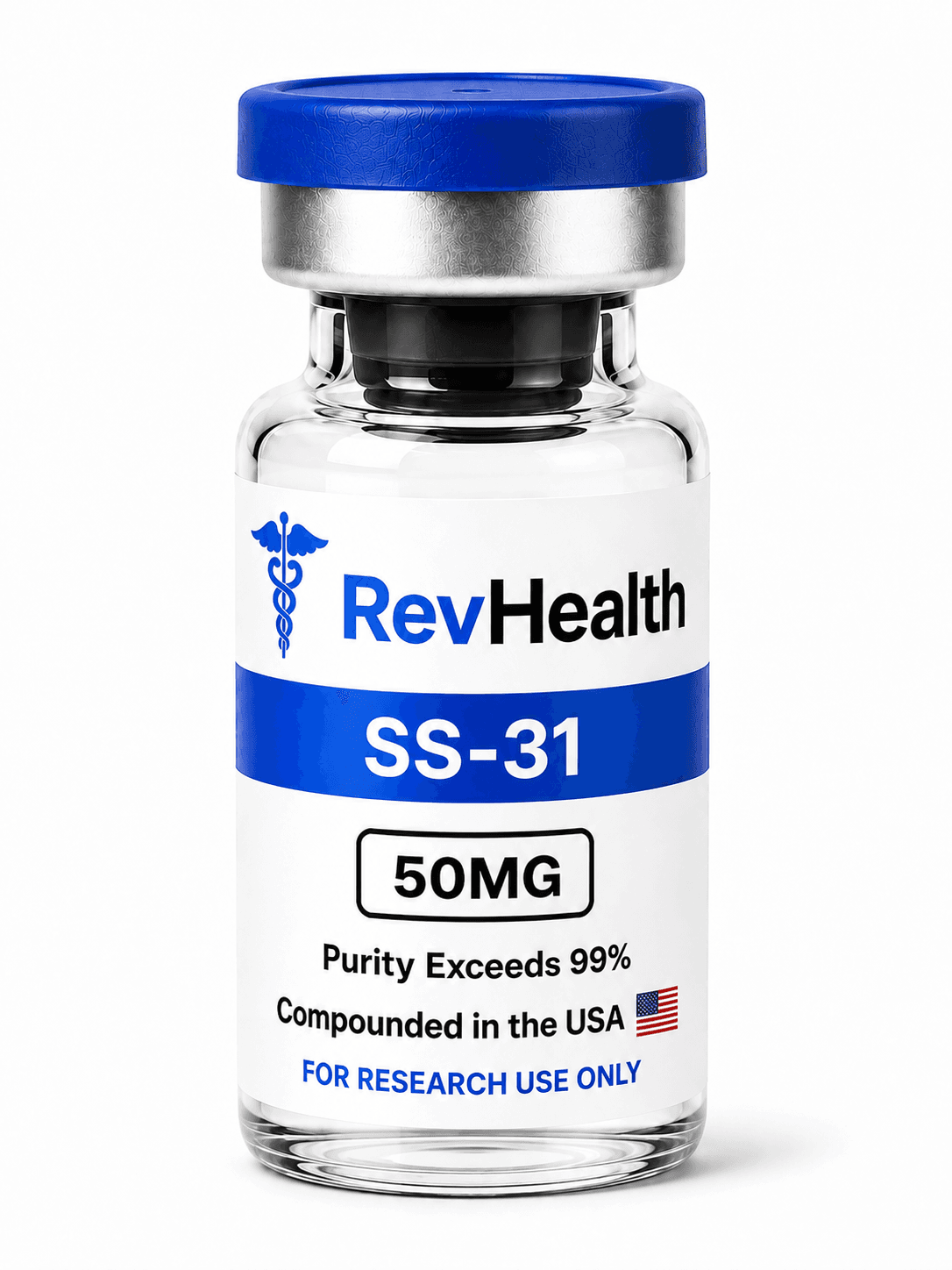
SS-31 50MG
Mitochondrial-targeted antioxidant peptide
from $75
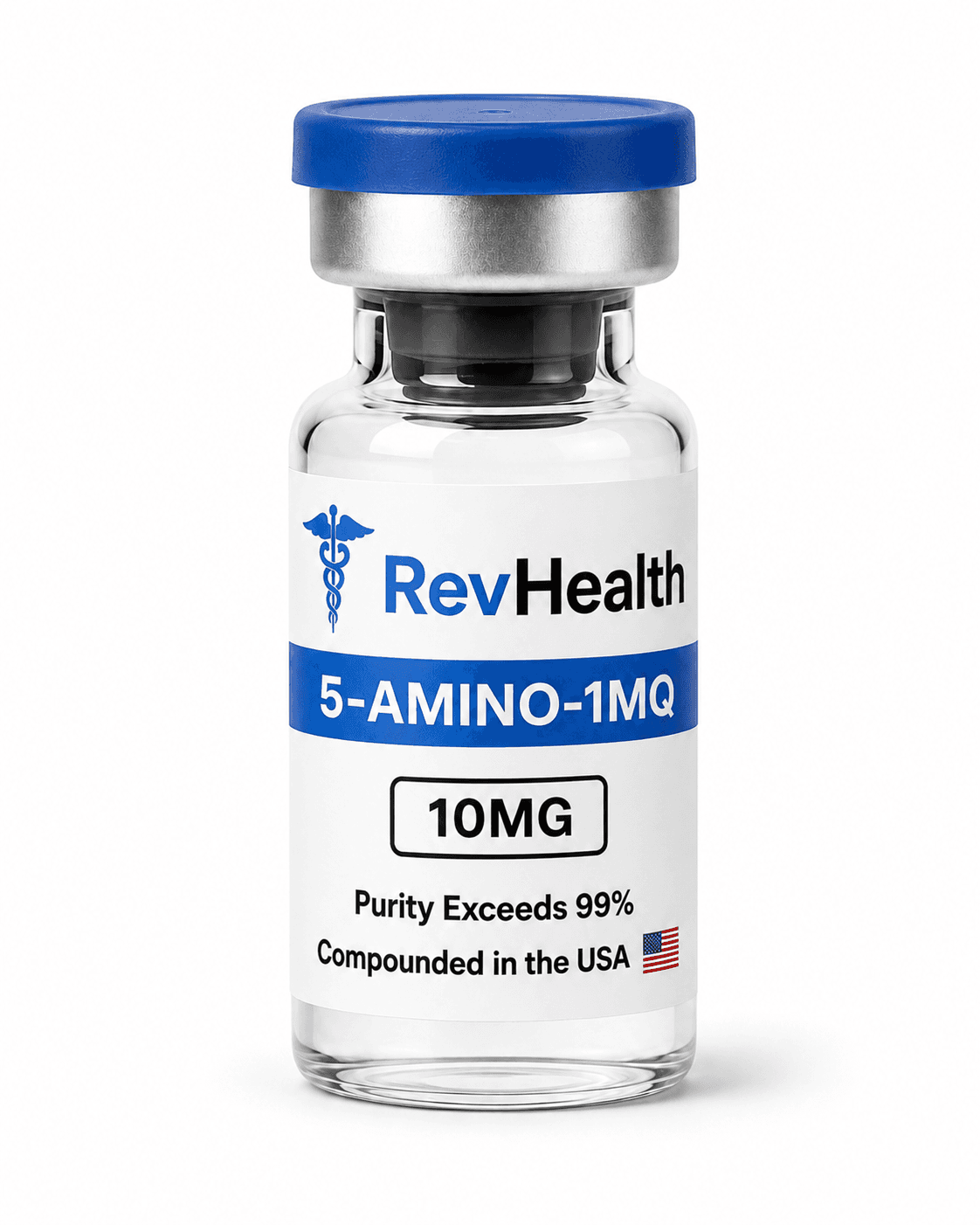
5-AMINO-1MQ 10MG
NAMPT pathway and metabolic research compound (10 mg per vial)
from $85
Continue From This Update
Explore the research catalog behind these topics.
Browse verified research compounds with third-party analytical documentation and category-specific product pages.
Shop Research PeptidesResearch use only. This article is educational and does not constitute medical advice. Products referenced on Revitalized Health are not intended for human or veterinary use, diagnostic use, therapeutic use, or consumption.