
Metabolic Research Reference
The Lean Mass Preservation Protocol: Fat Loss Without Muscle Wasting
Reducing body weight and reducing body fat are distinct physiological processes. Research into body-composition partitioning examines a dual mechanism — accelerating targeted lipolysis while signaling for the preservation of lean tissue. This reference summarizes how the literature characterizes exogenous growth hormone, selective fragments, secretagogues, and mitochondrial-derived research compounds during fat loss.
IGF-1
GH-driven IGF-1 and mTOR signaling associated with lean-tissue preservation
β3
AOD9604 stimulates lipolysis via β3-adrenergic receptors without IGF-1 binding
AMPK
MOTS-c activates AMPK to oxidize freed fatty acids
Overview
Fat loss and weight loss are distinct processes
Reducing body weight and reducing body fat are distinct physiological processes. A standard caloric deficit places the body in a catabolic state in which skeletal muscle is metabolized alongside adipose tissue.
Research into body-composition partitioning examines a dual mechanism: accelerating targeted lipolysis while signaling for the preservation of lean tissue. Studies in this area investigate exogenous growth hormone, selective fragments, secretagogues, and mitochondrial-derived research compounds for their effect on the metabolic baseline during fat loss.
Fat oxidation
Selective fat oxidation: targeting the adipocyte
Research characterizes selective adipocyte targeting as central to reducing fat while sparing muscle. Human Growth Hormone (HGH) has been shown to drive lipolysis via beta-adrenergic receptors on fat cells.
Studies have examined combinations of HGH with engineered fragment compounds for their effect on lipid turnover and baseline glucose regulation.
Compounds
Compounds studied for fat mobilization and anabolic preservation
Rather than inducing systemic stress, the compounds below have been studied for receptor-specific effects on lipid mobilization, mitochondrial energetics, and protein synthesis.
Growth hormone
Human Growth Hormone (HGH)
Exogenous recombinant human growth hormone has been characterized in the literature as a systemic regulator of tissue preservation.
The science: HGH shifts the body's preferred fuel source from carbohydrates toward lipids and attenuates insulin's action on fat cells, increasing mobilization of stored adipose tissue. It concurrently stimulates hepatic secretion of Insulin-like Growth Factor 1 (IGF-1), a cellular survival factor associated with reduced skeletal muscle breakdown.
Observed result: Studies report improvement in fat loss and connective tissue recovery, with insulin sensitivity noted as a monitored variable.
GH fragment
AOD9604
AOD9604 is a synthetic fragment representing the C-terminal region (amino acids 176–191) of human growth hormone, studied for the fat-metabolizing properties of HGH isolated from its growth-promoting activity.
The science: Research indicates AOD9604 binds β3-adrenergic receptors on fat cells, stimulating lipolysis and inhibiting lipogenesis. It does not bind the IGF-1 receptor, which is associated with an absence of fluid retention and glucose elevation in study models.
Observed result: Reduction of visceral and subcutaneous fat in research models without measured change to insulin sensitivity.
GHRH analogue
Tesamorelin
Tesamorelin is a synthetic analogue of Growth Hormone-Releasing Hormone (GHRH) studied for effects on deep adipose tissue and body composition.
The science: Tesamorelin has been shown to trigger pulsatile release of endogenous growth hormone from the pituitary, raising baseline IGF-1 and engaging the mTOR pathway associated with muscle protein synthesis.
Observed result: Clinical studies report reduction of visceral abdominal fat with preservation of skeletal muscle during a deficit.
Mitochondrial
MOTS-c
MOTS-c is a research compound encoded within the mitochondrial genome, studied as a regulator of cellular energetics.
The science: Where HGH and fragments mobilize fatty acids from adipocytes, research characterizes MOTS-c as promoting their oxidation. It activates the AMPK pathway, promoting mitochondrial biogenesis and cellular uptake and oxidation of free fatty acids into ATP, and has been associated with increased insulin sensitivity.
Observed result: Studies report increased systemic fat oxidation, improved endurance, and metabolic-rate support during low-calorie phases.
Substrates
Nutritional substrates in the research
The literature notes that raw substrates are required for the muscle-preserving signal to translate to preserved tissue.
- Essential Amino Acids (EAAs) — free-form EAAs require no digestion and rapidly elevate blood amino acid levels; L-Leucine is identified as a primary trigger of muscle protein synthesis.
- HMB (Beta-Hydroxy Beta-Methylbutyrate) — a leucine metabolite studied as an anti-catabolic agent shown to downregulate the ubiquitin-proteasome pathway associated with muscle breakdown.
Summary
Body-composition partitioning in the literature
Research on body composition emphasizes cellular optimization over caloric restriction alone. The literature describes HGH, AOD9604, and Tesamorelin as establishing a hormonal environment associated with fat mobilization and muscle preservation, with MOTS-c studied for mitochondrial oxidation of freed fatty acids and HMB for anti-catabolic protection.
References
Selected literature
Heffernan, M., et al. (2001). Effects of Oral Administration of a Synthetic Fragment of Human Growth Hormone on Lipid Metabolism. American Journal of Physiology-Endocrinology and Metabolism, 280(3), E441-E449.
Lee, C., et al. (2015). The Mitochondrial-Derived Peptide MOTS-c Promotes Metabolic Homeostasis and Prevents Obesity and Insulin Resistance. Cell Metabolism, 21(3), 443-454.
Falutz, J., et al. (2010). Effects of Tesamorelin on Abdominal Adiposity. New England Journal of Medicine, 363(4), 333-344.
Wilkinson, D. J., et al. (2013). Effects of Leucine and HMB on Human Muscle Metabolism. The Journal of Physiology, 591(11), 2911-2923.
Safety & disclaimers
Research use only — not medical advice
This article is for educational purposes only. It summarizes published research and does not constitute medical advice, diagnosis, or treatment. The findings described are observations from the cited literature, not guidance for personal use.
All Revitalized research compounds are sold for research use only. Not for human consumption, diagnostic, or therapeutic use. Standard institutional biosafety guidelines apply.
Related Compounds
Continue Researching This Category
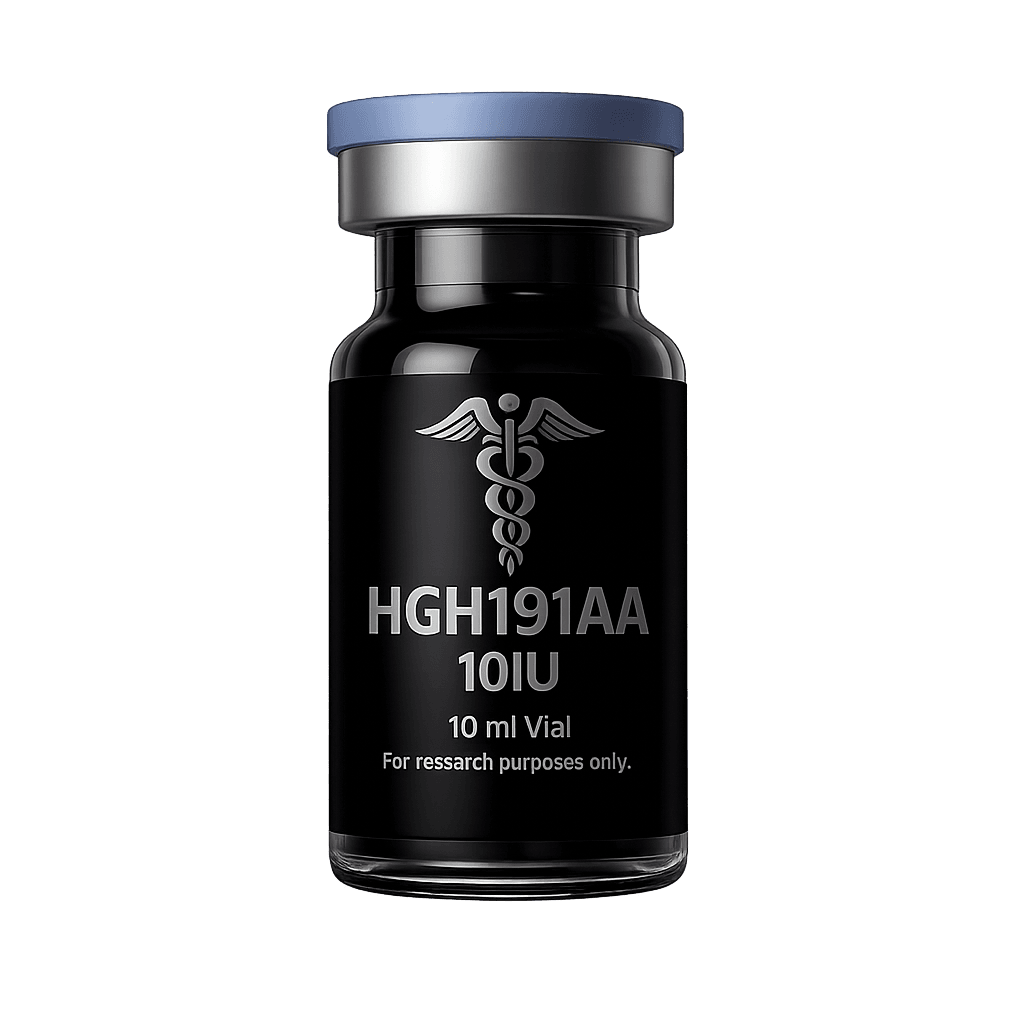
HGH
Recombinant human growth hormone — 10 glass vials per pack
$200
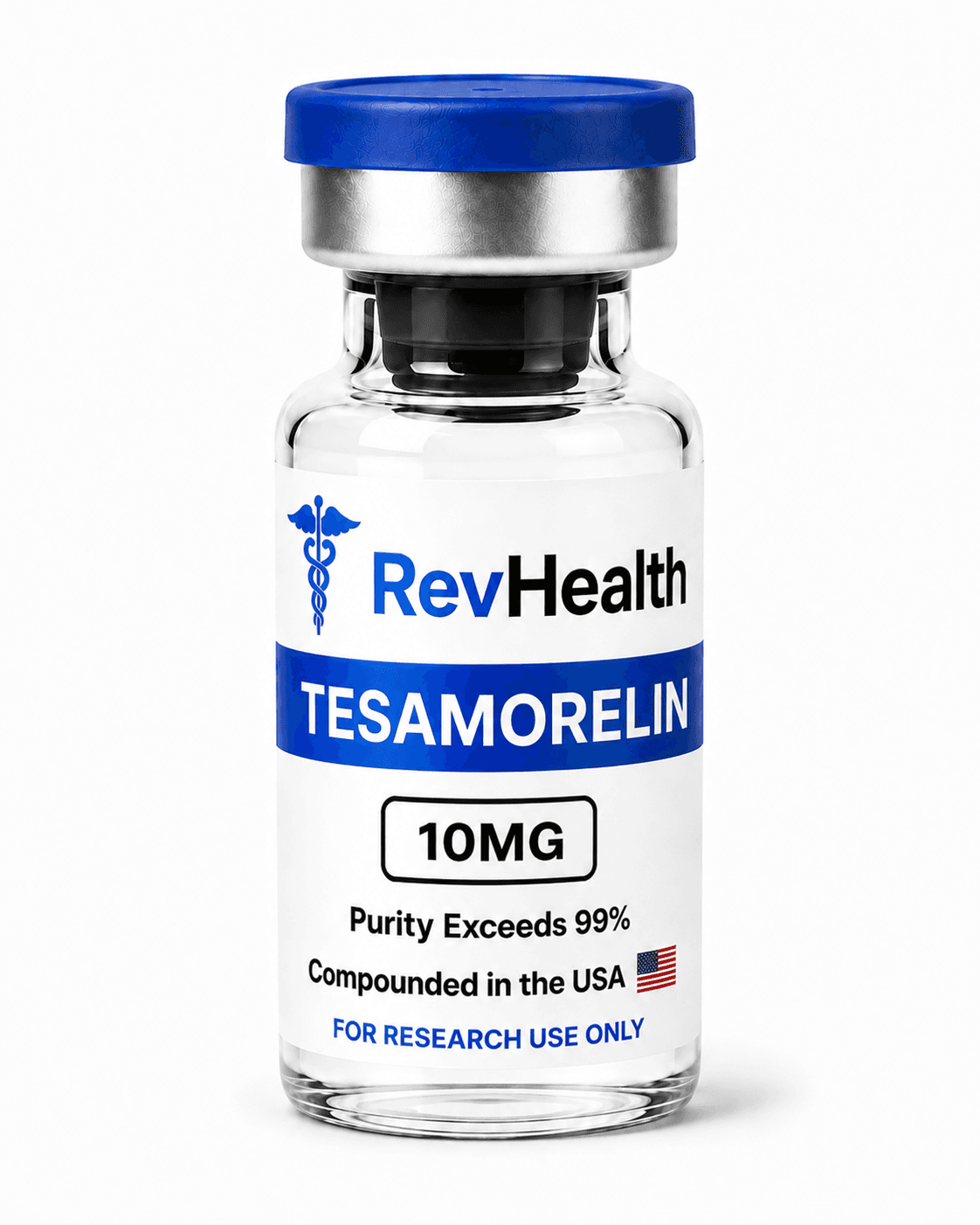
TESAMORELIN 10MG
GHRH analog for metabolic and body composition research
from $70
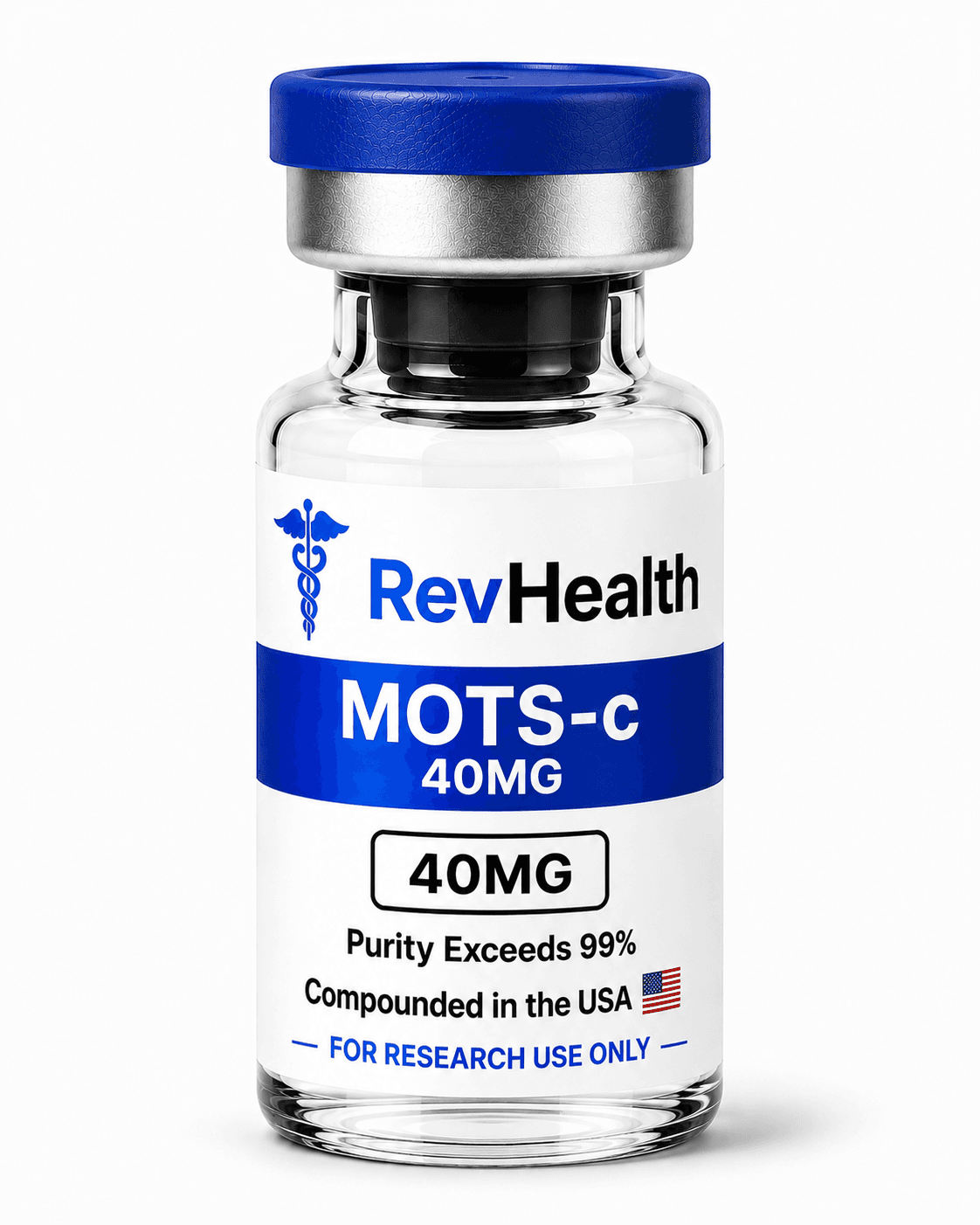
MOTS-C
Mitochondrial peptide for metabolic research (40 mg per vial)
from $70
Continue From This Update
Explore the research catalog behind these topics.
Browse verified research compounds with third-party analytical documentation and category-specific product pages.
Shop Research PeptidesResearch use only. This article is educational and does not constitute medical advice. Products referenced on Revitalized Health are not intended for human or veterinary use, diagnostic use, therapeutic use, or consumption.