
Metabolic Research Comparison
Mazdutide vs. Survodutide: The Next Wave of Dual GLP-1 / Glucagon Agonists
Two late-stage dual-agonists targeting both the GLP-1 receptor (appetite + insulin) and the glucagon receptor (energy expenditure + lipid oxidation). Mazdutide cleared Chinese regulators first; Survodutide is the one to watch for MASH-complicated obesity. We sell Survodutide today — and through Memorial Day Monday it's 20% off with MEMORIAL20.
20% off
Memorial Day weekend — code MEMORIAL20 at checkout (ends Mon May 26)
~40%
Survodutide trial participants losing >20% baseline weight
MASH
Survodutide's distinguishing edge: histological liver-fibrosis improvement
Memorial Day sale
20% off everything — code MEMORIAL20, ends Mon May 26
Quick housekeeping before the research piece: the full Revitalized catalog is 20% off through the Memorial Day weekend. Apply code MEMORIAL20 at checkout. Includes the GLP-class compounds discussed below.
Mechanism
Dual receptor targeting, two complementary pathways
Both Mazdutide and Survodutide belong to a class of dual-agonists that hit the GLP-1 receptor (suppressing appetite and enhancing glucose-dependent insulin secretion) and the glucagon receptor (increasing energy expenditure and promoting lipid oxidation) at the same time.
Combining the two pathways aims at more comprehensive metabolic regulation than traditional single-target GLP-1 receptor agonists. The glucagon component is the part the older single-target class can't reproduce — it's where the energy-expenditure and hepatic-fat effects largely come from.
- GLP-1R — appetite suppression + glucose-dependent insulin secretion.
- GcgR — energy expenditure + lipid oxidation (the differentiator vs single-target GLP-1).
- Together: weight loss with a stronger hepatic / metabolic side profile than GLP-1-only.
Clinical efficacy — Mazdutide
Weight, waist, and liver fat in the Chinese trial cohort
Mazdutide's clinical data comes primarily out of trials run in China, where the molecule received regulatory approval first. Reported endpoints span weight reduction, waist circumference, and liver-fat reduction, with a favorable tolerability and safety profile across the published cohorts.
Practically, that makes Mazdutide most relevant today for patients in China and a strong consideration for obesity-with-metabolic-issues cases (high blood sugar, fatty liver) where the local approval is the gating factor.
- Approved by Chinese regulators first.
- Effective for weight + waist + liver-fat endpoints in published Chinese trials.
- Reported favorable tolerability and safety in the trial cohorts.
Clinical efficacy — Survodutide
Weight loss + a MASH-specific liver story
Survodutide has the more globally-watched data set. Trials have reported close to 40% of participants losing more than 20% of baseline weight — competitive with the leading triple-agonists at the front of the cardiometabolic pipeline.
The distinguishing story is liver. Phase 2 MASH data showed histological improvements in fibrosis and inflammation on biopsy — not just biomarker movement. That makes Survodutide the more targeted choice when the metabolic picture is complicated by advanced steatohepatitis or fibrosis.
- ~40% of participants losing >20% baseline weight in reported trials.
- Phase 2 MASH data showed histological fibrosis + inflammation improvement on biopsy.
- Edge over Mazdutide when liver disease is part of the metabolic picture.
Choosing the candidate
Which one for which research model
The picks are largely dictated by clinical indication and geographic availability rather than head-to-head superiority.
- Mazdutide — optimal for research modeling the Chinese-approved obesity + metabolic-syndrome use case, where local regulatory data is the reference point.
- Survodutide — the more targeted choice when the research question centers on obesity complicated by MASH or advanced steatohepatitis (histological endpoints in particular).
Where they sit in our catalog
What's available now
We carry Survodutide as a standalone vial today. For the broader dual-agonist landscape, our catalog also includes GLP3-RT (triple agonist), GLP2-TRZ (the dual-action GIP/GLP-1 class), and the CagriSema combination preparation — useful comparators when designing a dual-agonist-vs-triple-agonist research arm.
Safety & disclaimers
Research use only
Mazdutide and Survodutide are investigational compounds. Neither is FDA-approved for any human indication in the United States. Compounds sold through Revitalized are for research and laboratory use only. Not for human consumption, diagnostic, or therapeutic use.
Related Compounds
Continue Researching This Category
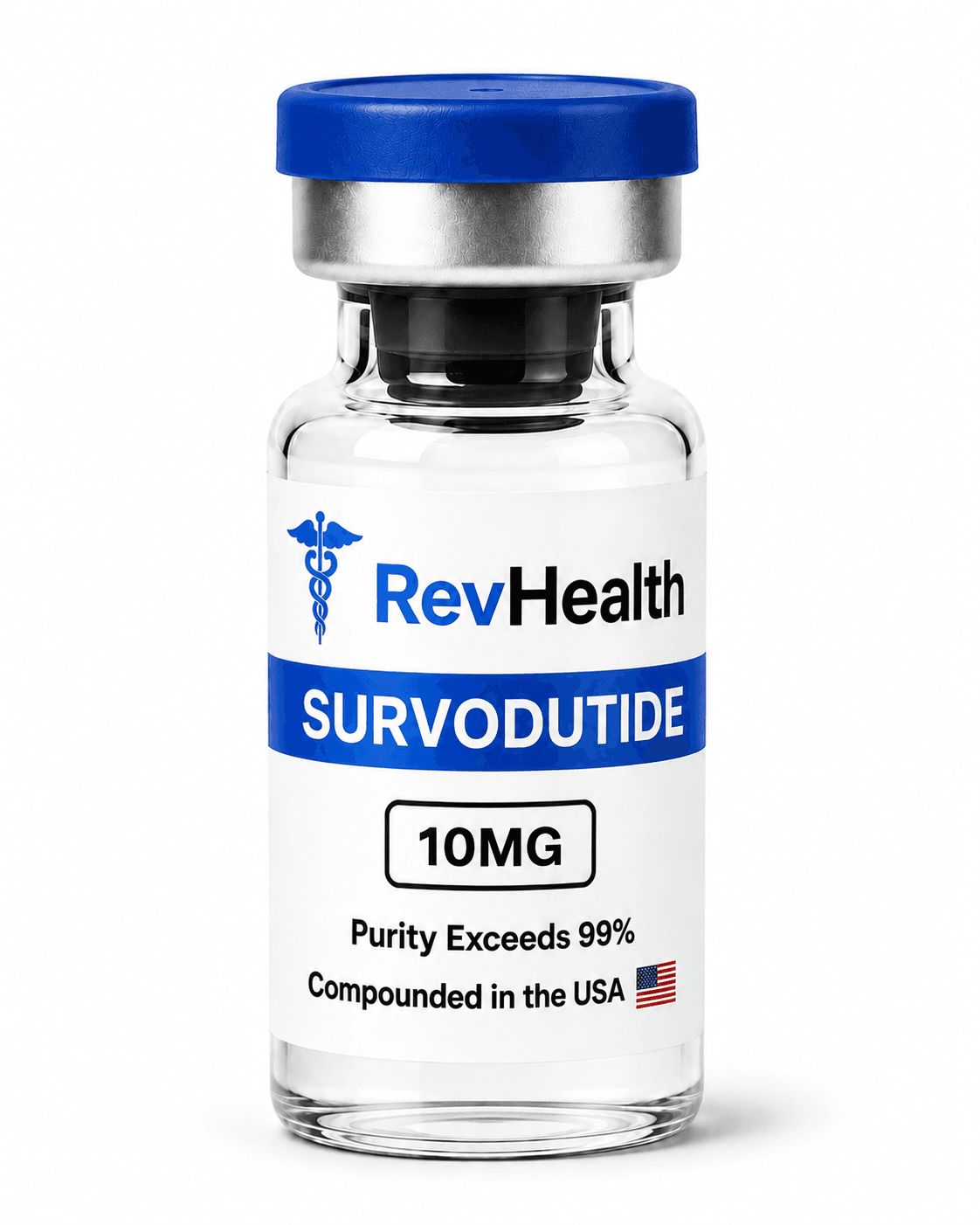
SURVODUTIDE 10MG
Dual GLP-1 / glucagon receptor agonist (10 mg per vial)
from $120
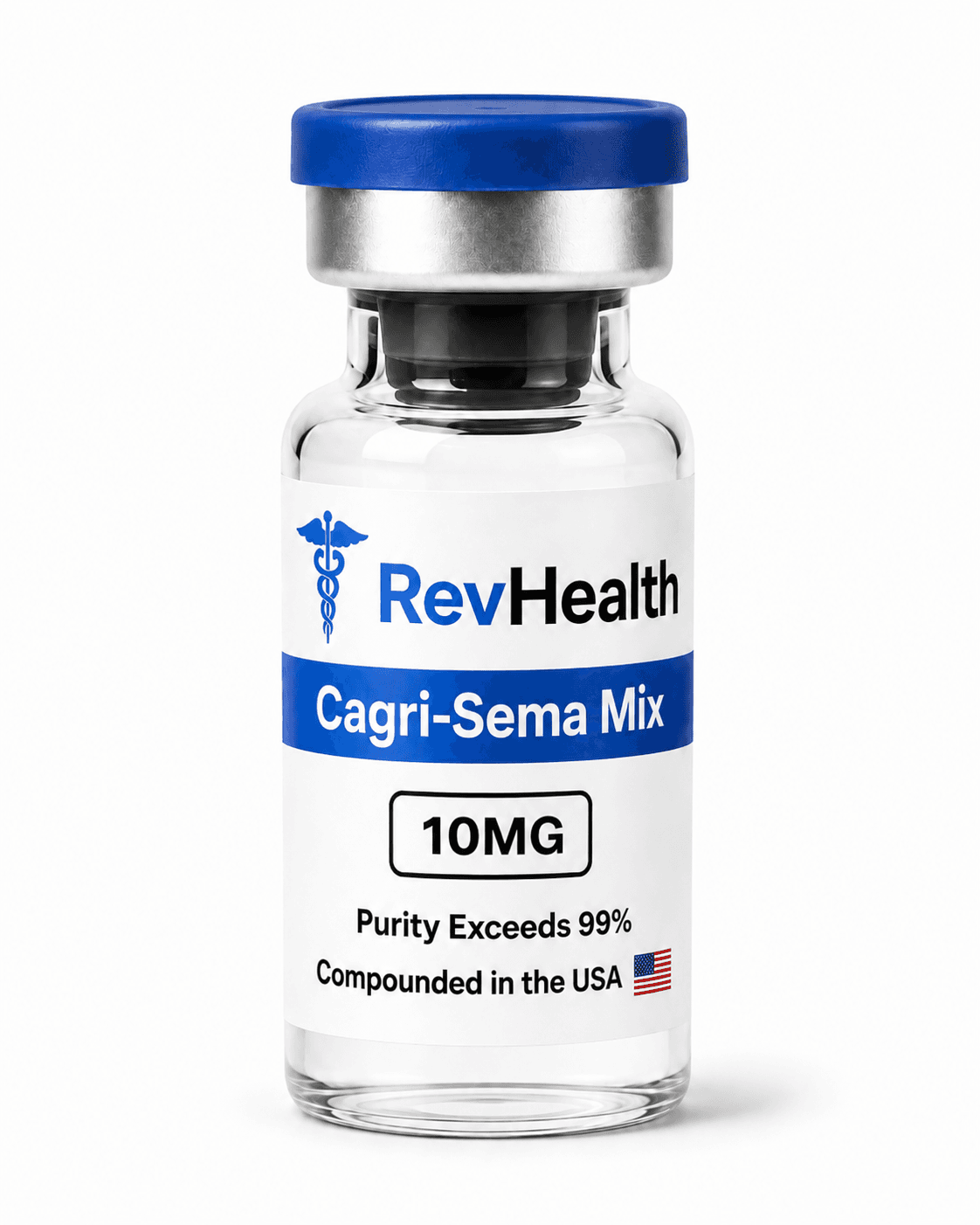
CAGRI-SEMA MIX
Cagrilintide + semaglutide combination preparation (10 mg per vial)
from $150
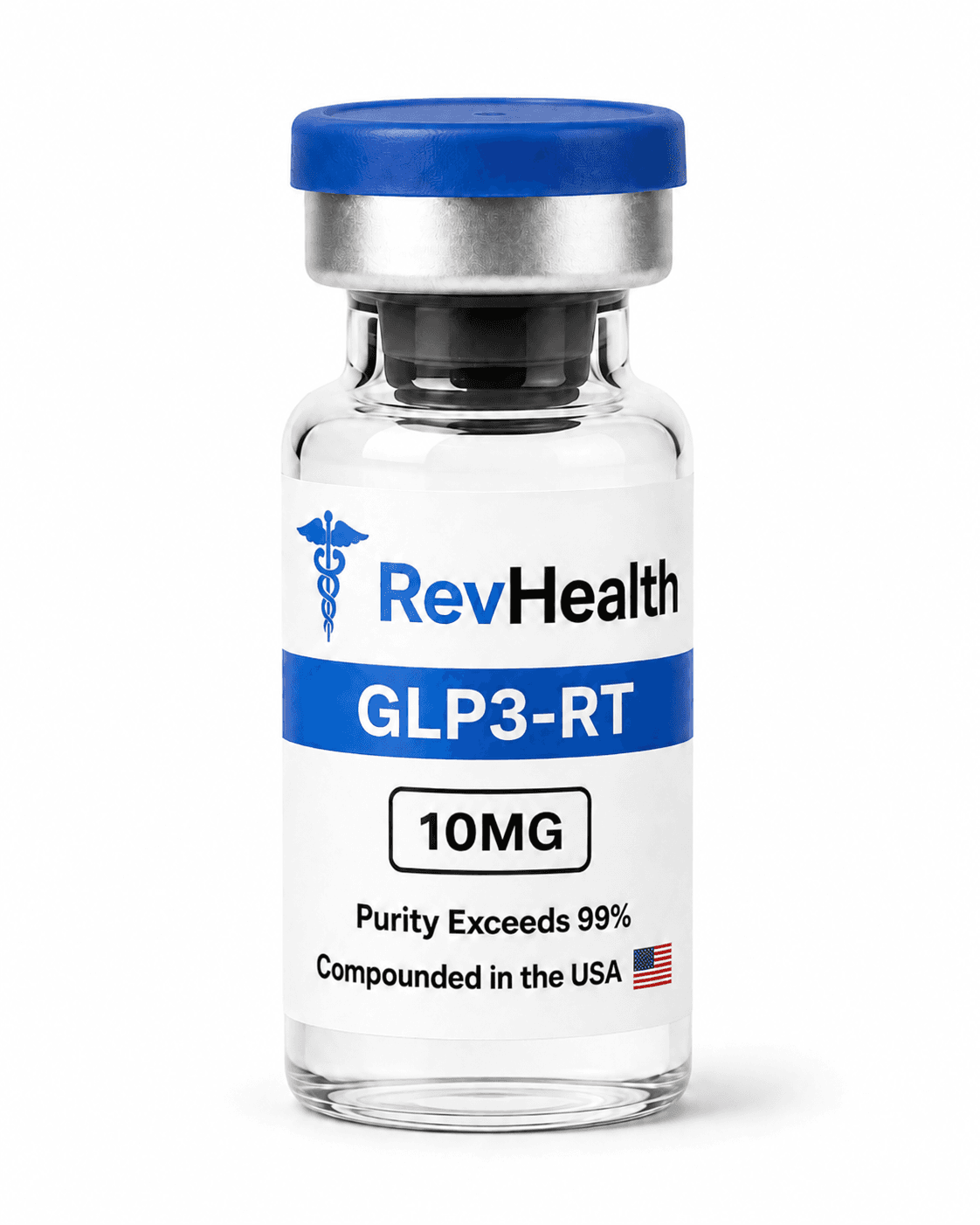
GLP3-RT
Triple GLP-1 / GIP / glucagon receptor agonist peptide. Research use only.
from $125
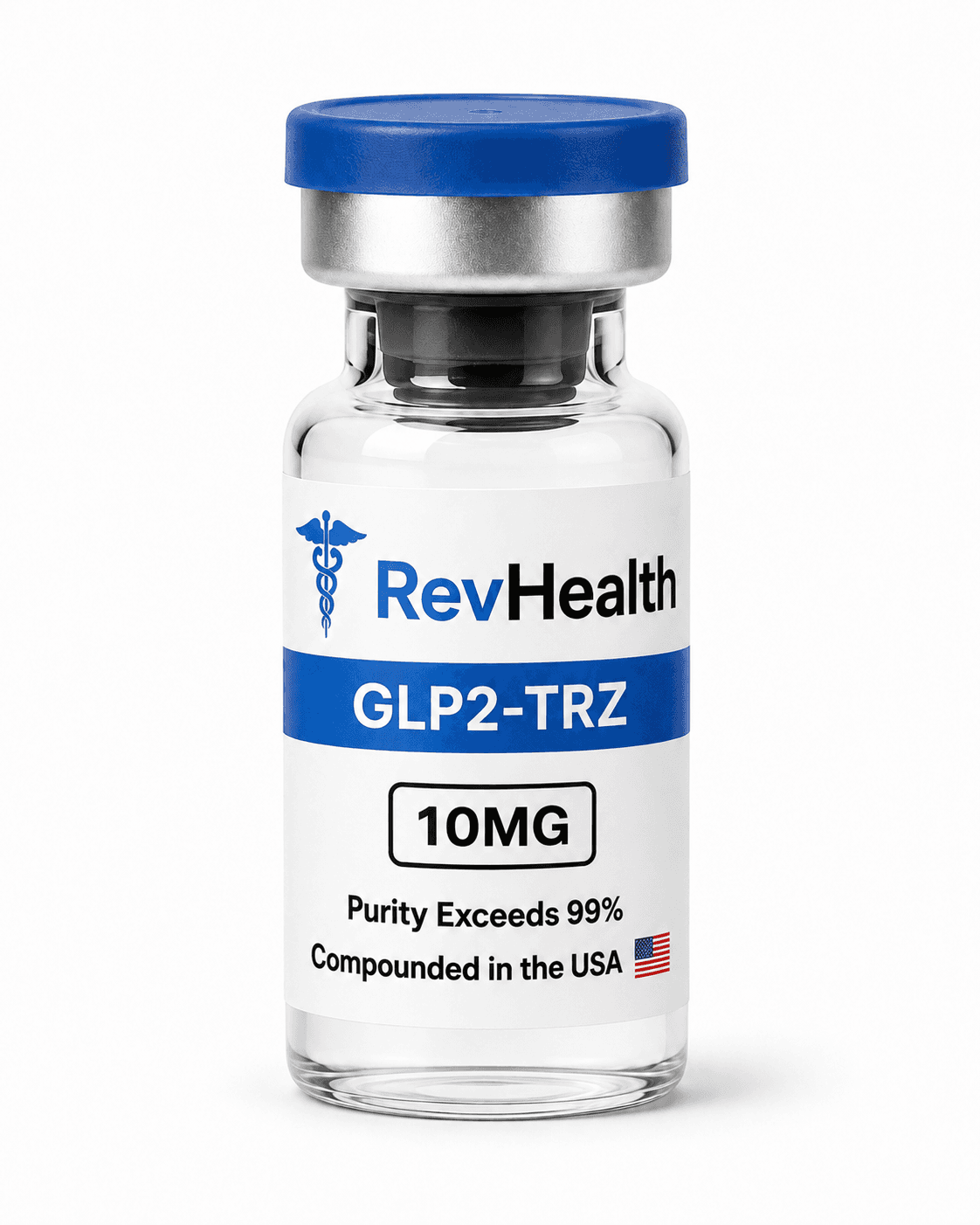
GLP2-TRZ
Dual GLP-1/GIP receptor agonist for metabolic research
from $109
Continue From This Update
Explore the research catalog behind these topics.
Browse verified research compounds with third-party analytical documentation and category-specific product pages.
Shop Research PeptidesResearch use only. This article is educational and does not constitute medical advice. Products referenced on Revitalized Health are not intended for human or veterinary use, diagnostic use, therapeutic use, or consumption.