
Neuropeptide Research Reference
Nootropic Peptides: The Research on Memory, Focus, and Stress Resilience
Interest in cognitive neuropeptides climbs every autumn as academic terms begin. The compounds below are studied along two different axes — driving neuroplasticity, and protecting cognition from stress — and the evidence behind them ranges from decades of clinical use to early preclinical work. This reference separates the mechanisms from the maturity of the research.
BDNF
Semax upregulates brain-derived neurotrophic factor, central to long-term potentiation
GABA-A
Selank modulates GABA-A and serotonin signalling without the sedation of anxiolytics
c-Met
Dihexa potentiates hepatocyte growth factor to drive synaptogenesis
Overview
Two different problems, two different mechanisms
Cognitive performance research splits along a line that is easy to miss. One body of work targets the machinery of learning itself — neuroplasticity, synapse formation, and the consolidation of short-term encoding into durable memory. A separate body targets the conditions under which that machinery has to operate, because acute stress degrades prefrontal function and recall independently of how well material was learned.
Neuropeptides are studied on both sides of that line, and the two are not interchangeable. A compound characterized as increasing neurotrophic signalling is not addressing the same failure as one characterized as modulating anxiety.
The four below also differ sharply in evidence maturity. Two have decades of clinical use behind them in the countries where they were developed; one is a purified biological product with a substantial clinical literature and no FDA approval; one is largely preclinical. Reading them as a single class is the most common way this literature gets misrepresented.
Neurotrophic
Semax
Semax is a synthetic peptide derived from a fragment of adrenocorticotropic hormone (ACTH), developed in Russia and used clinically there since the 1990s.
The science: research describes Semax as upregulating brain-derived neurotrophic factor (BDNF) and interacting with dopaminergic and serotonergic pathways. BDNF is the signalling protein most closely associated with neuroplasticity and long-term potentiation — the cellular process by which repeated activation strengthens a synapse, which is the physical substrate of memory formation.
Reported effects: studies and clinical reports from its region of use describe improvements in mental clarity, processing speed, and information retention, characterized as occurring without the adrenergic overstimulation associated with conventional CNS stimulants.
The catalog also carries N-Acetyl Semax Amidate, a modified form studied for greater metabolic stability than the base peptide.
Anxiolytic
Selank
Selank is a synthetic analog of tuftsin, an endogenous immunomodulatory peptide. Like Semax it originates from Russian pharmacological research.
The science: Selank is described as modulating GABA-A and serotonin receptor signalling. The distinction drawn throughout its literature is that this downregulation of anxiety is not accompanied by the sedation, motor impairment, or cognitive blunting characteristic of benzodiazepine anxiolytics.
Why it appears alongside Semax: under acute stress, cortisol and catecholamine release impair prefrontal cortex function, and recall degrades under evaluative pressure regardless of how well material was encoded. Selank is studied against that second failure mode rather than against encoding itself.
Neuroprotective
Cerebrolysin
Cerebrolysin is not a single peptide but a mixture of low-molecular-weight peptides and amino acids produced by enzymatic breakdown of purified porcine brain proteins.
The science: it is characterized as mimicking the action of endogenous neurotrophic factors, with research covering neuronal repair, synaptic stability, and resistance to excitotoxic and ischemic injury. Most of its clinical literature sits in stroke recovery, traumatic brain injury, and dementia rather than in cognitive performance in healthy subjects.
Regulatory note: Cerebrolysin is approved and used clinically in a number of countries but is NOT approved by the FDA in the United States. It is also a biological product of animal origin, which places it in a different category from the synthetic peptides above. Read its clinical record with both facts in view.
Preclinical
Dihexa
Dihexa is a synthetic oligopeptide derived from angiotensin IV, developed in academic research on cognitive decline.
The science: it is described as a potent potentiator of hepatocyte growth factor (HGF), acting through the c-Met receptor to promote the formation of new synapses. Where Semax is characterized as increasing the trophic signalling that supports plasticity, Dihexa is characterized as acting further downstream on synaptogenesis itself.
Evidence maturity: this is preclinical work. Reported potency in those models is striking, which is precisely why it draws attention, but there is no clinical safety or efficacy record in humans comparable to the compounds above. It is included here for mechanistic completeness.
Not stocked in the Revitalized catalog.
Reading the literature
Where the 'stack' idea comes from — and its limit
The pairing of a plasticity-directed compound with an anxiety-directed one is common in this literature, and the rationale is mechanistic rather than additive: the two act on different failure modes, so combining them is framed as covering both rather than intensifying either.
What that framing does not establish is a combined safety or interaction profile. Pairing studies are far thinner than single-compound studies, and evidence for one compound is not evidence for a combination.
Context
The variables with the strongest evidence are not compounds
Any honest reading of the cognition literature has to note that the interventions with the largest and most replicated effects on memory are not pharmacological. Memory consolidation occurs substantially during sleep, and sleep restriction degrades it measurably. Cardiovascular exercise is among the most reliable known elevators of endogenous BDNF — the same mechanism Semax research targets. Nutritional status modulates both.
No compound in this reference displaces those. Research into neuropeptides is conducted on top of that foundation, not as a substitute for it.
Where they sit in our catalog
Three of the four are stocked
Semax, N-Acetyl Semax Amidate, Selank, and Cerebrolysin are available as research compounds. Dihexa is referenced for mechanistic context only and is not part of the catalog.
Safety & disclaimers
Research use only — not medical advice
This article is for educational purposes only. It summarizes published research and does not constitute medical advice, diagnosis, or treatment. The findings described are observations from the cited literature, not guidance for personal use.
All Revitalized research compounds are sold for research use only. Not for human consumption, diagnostic, or therapeutic use. Standard institutional biosafety guidelines apply.
Related Compounds
Continue Researching This Category
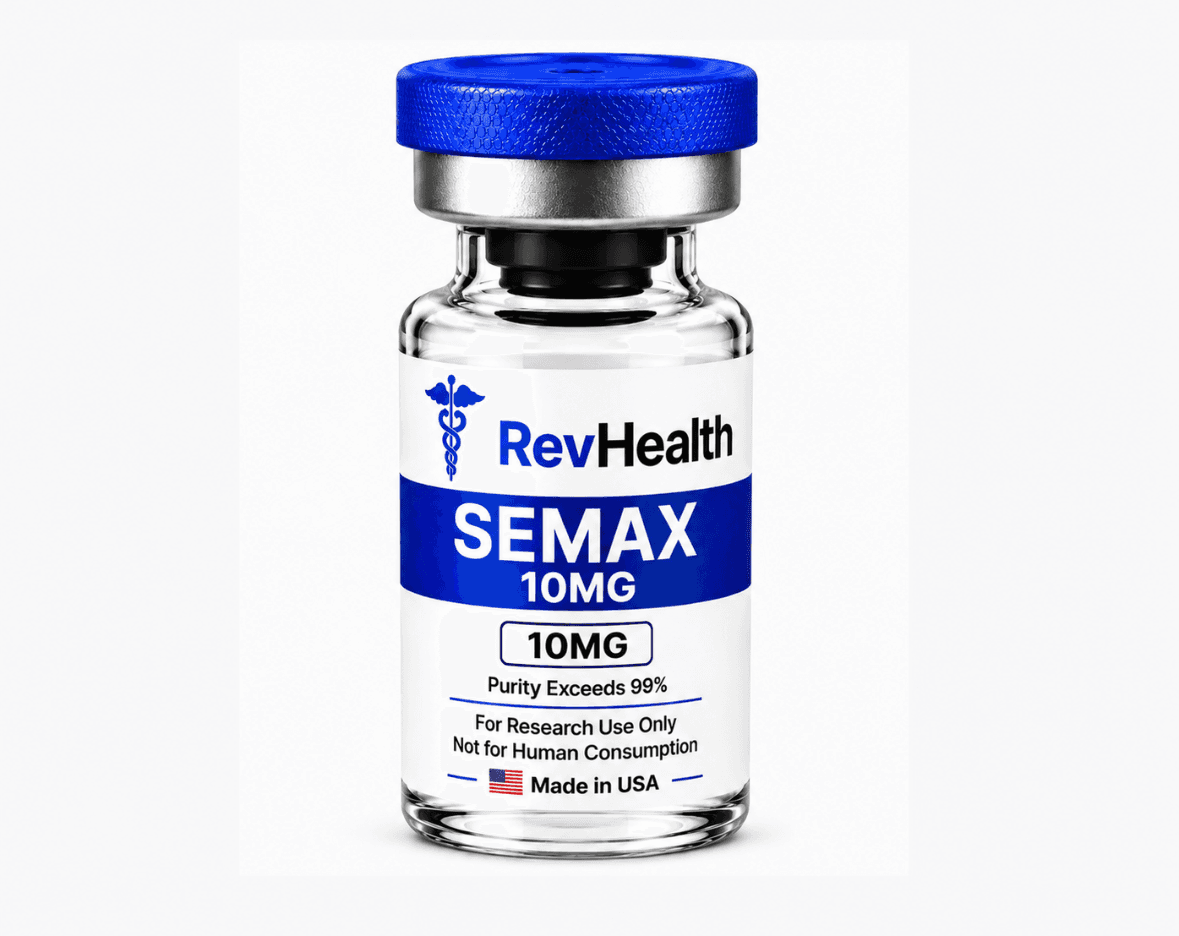
SEMAX
Nootropic peptide for cognitive and neuroprotective research
from $55
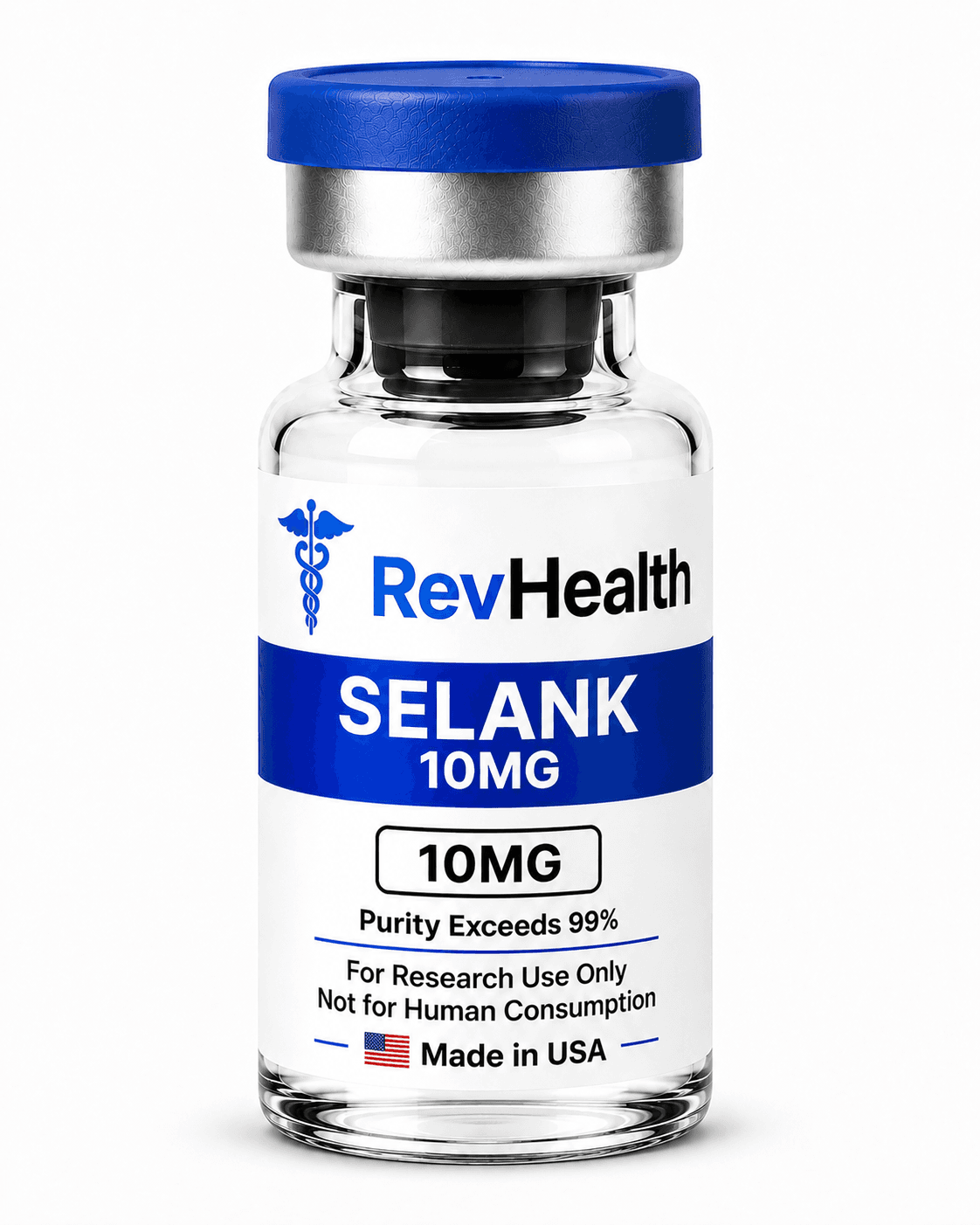
SELANK
Anxiolytic peptide for stress and cognitive research
from $55
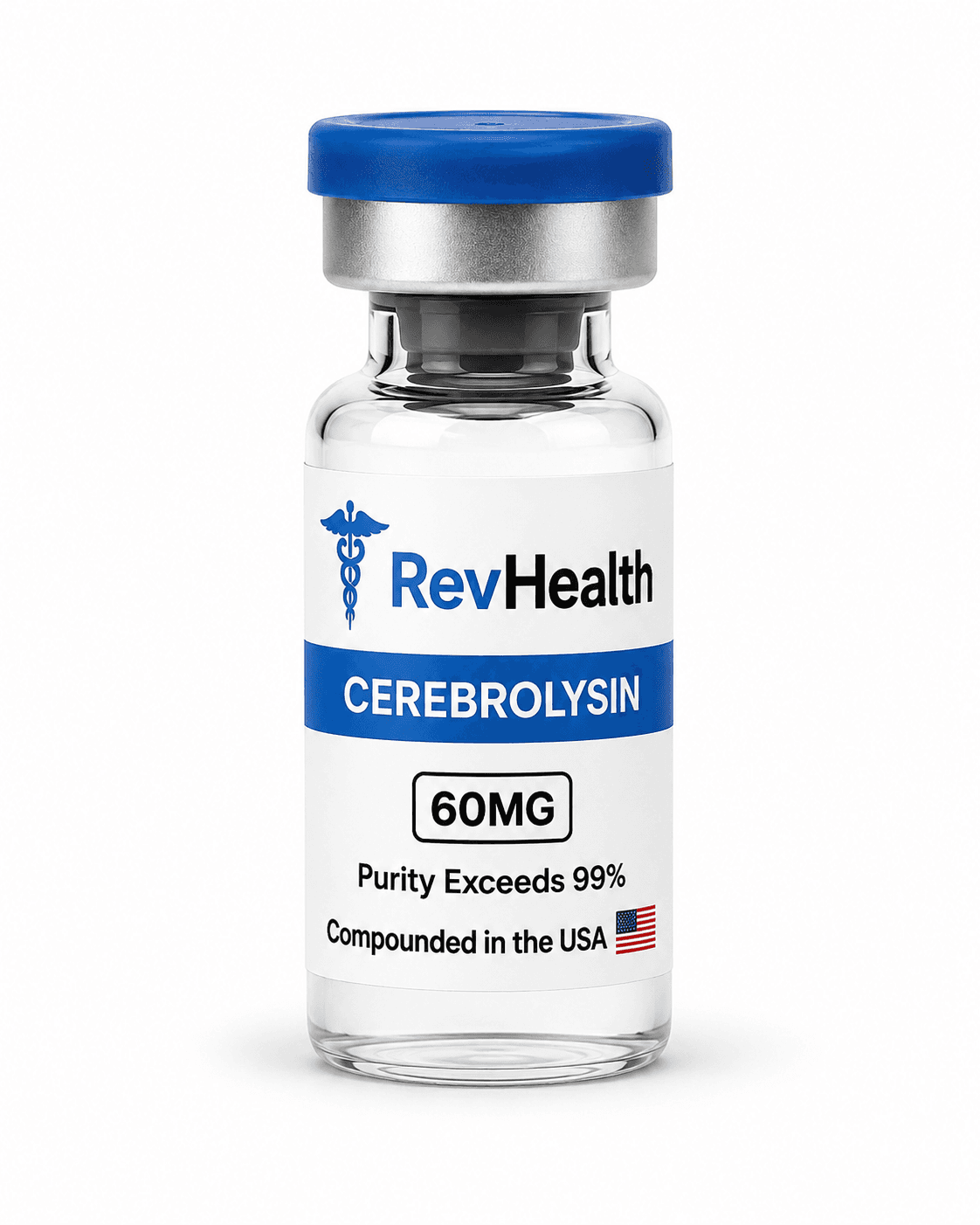
CEREBROLYSIN
Brain-derived peptide mixture for neurological research
from $70
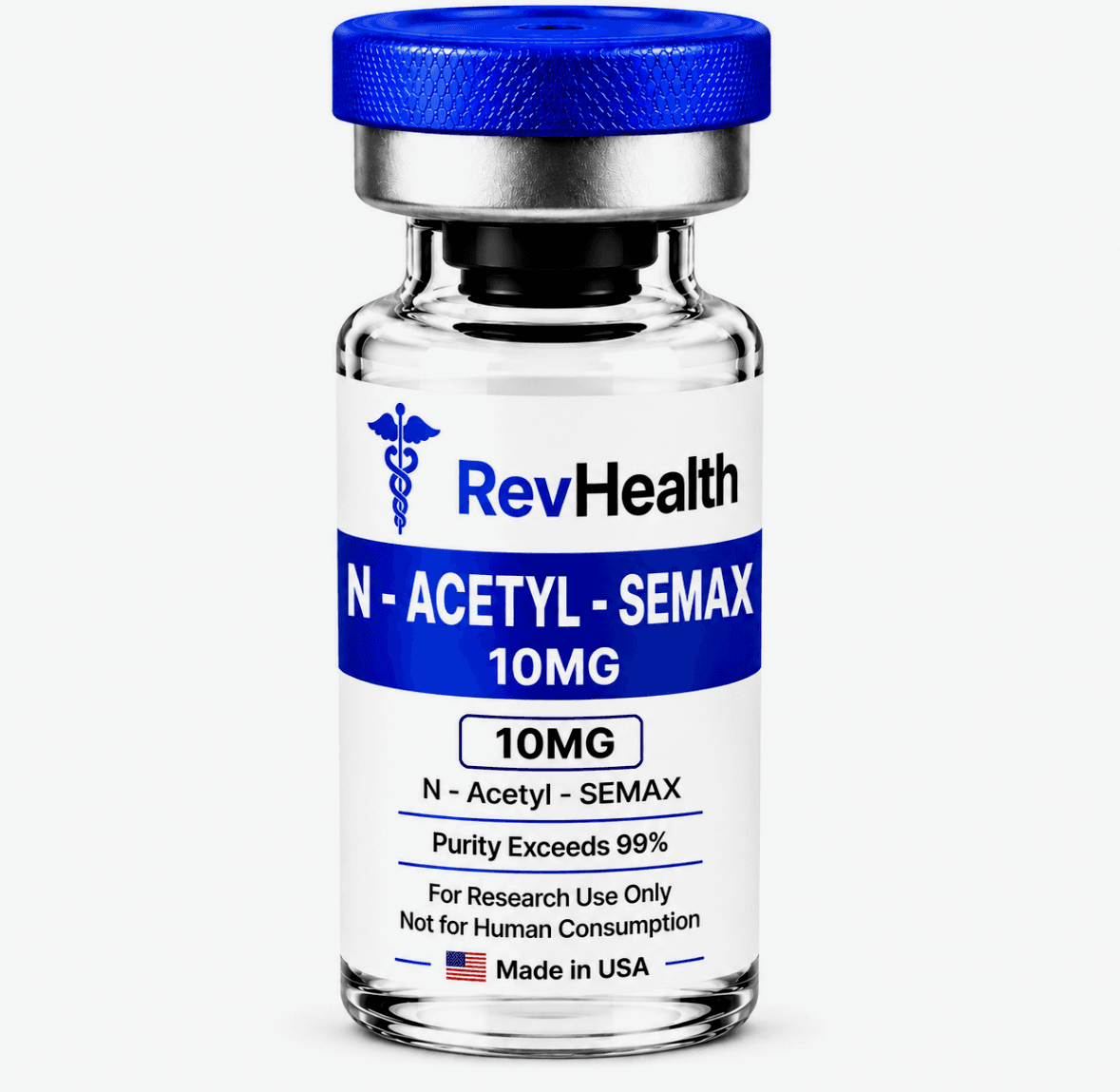
N ACETYL SEMAX AMIDATE
Enhanced nootropic peptide for cognitive research
from $70
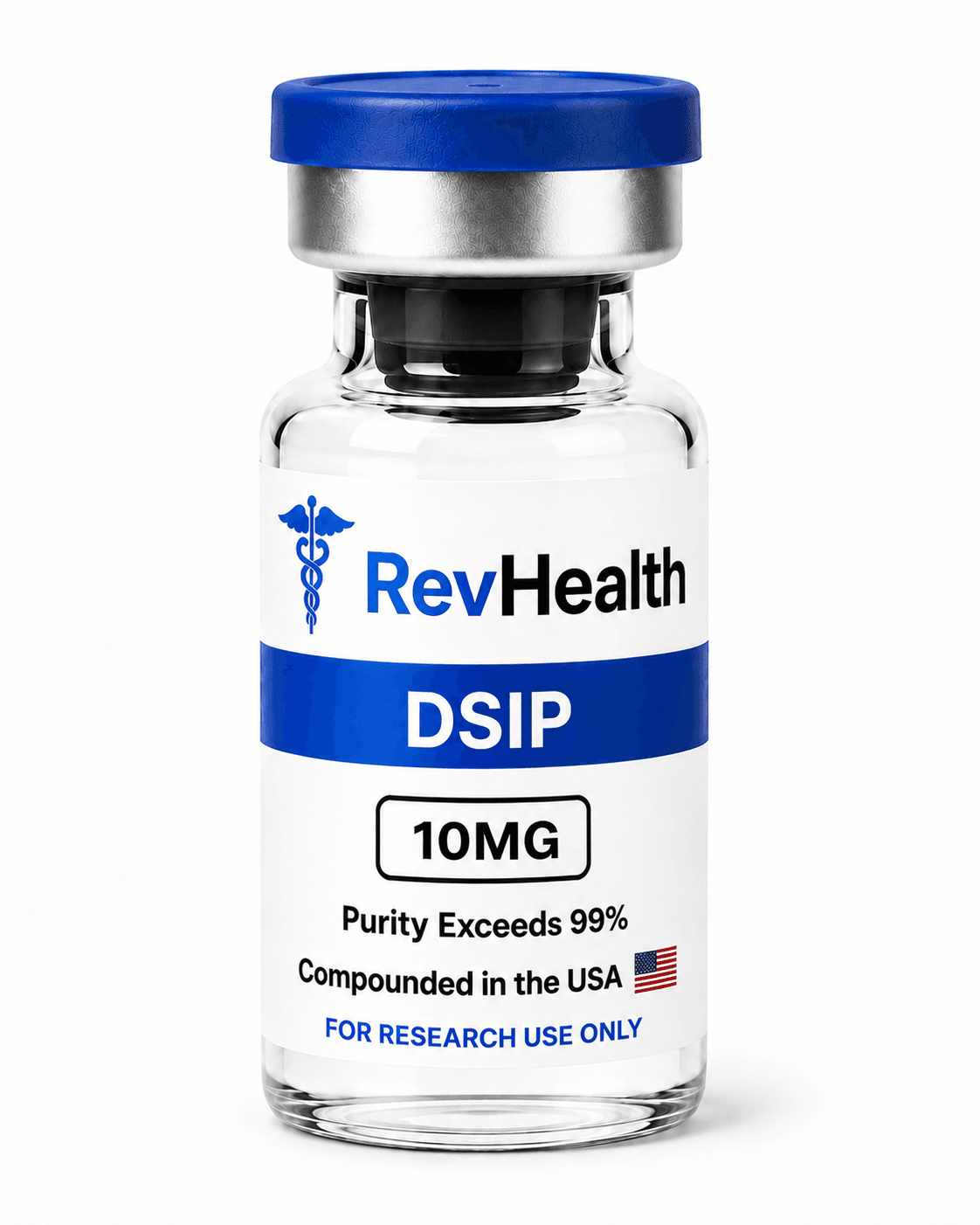
DSIP
Delta sleep-inducing peptide for sleep and stress research
from $60
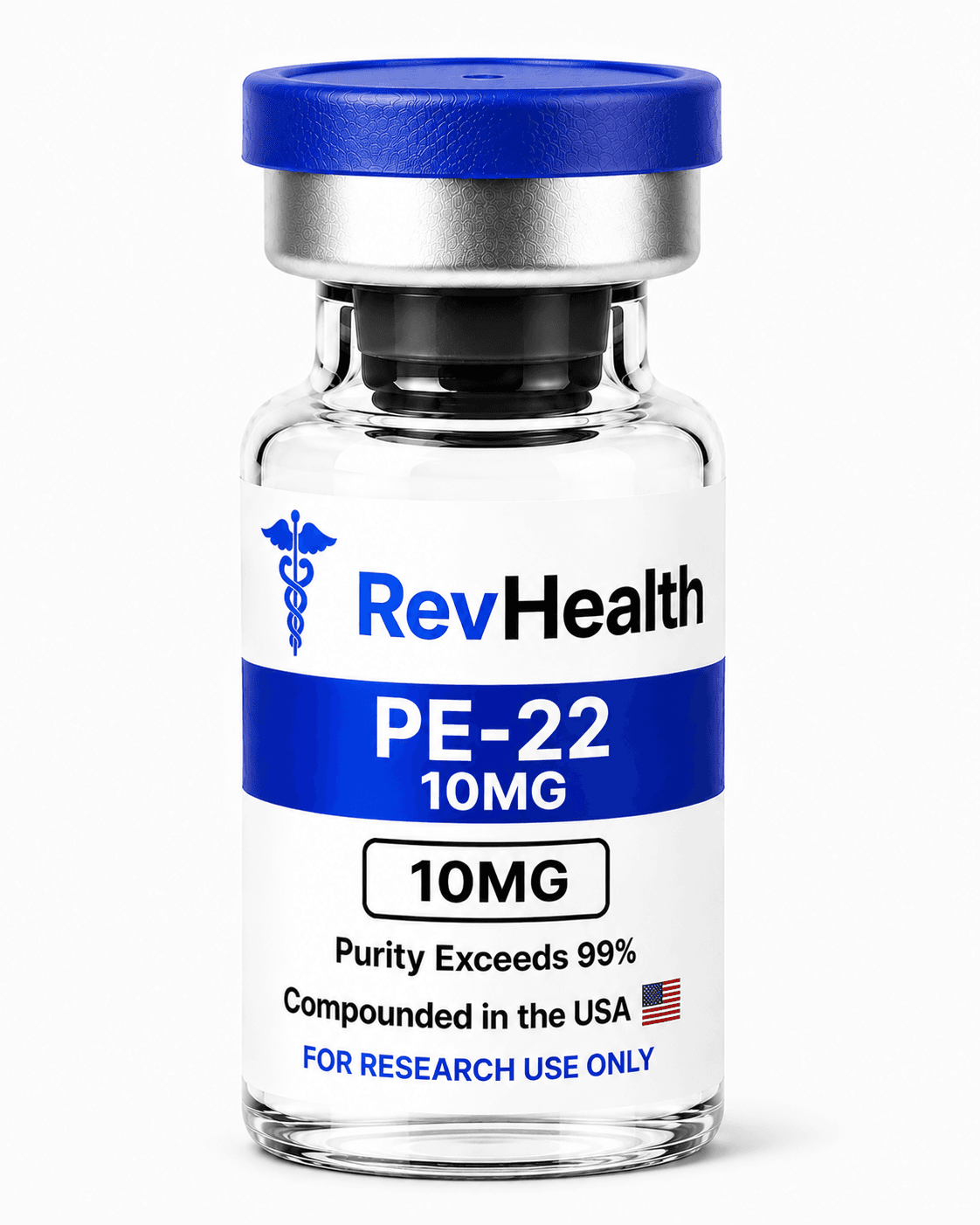
PE-228
Sortilin-derived neuropeptide for TREK-1 channel research
from $75
Continue From This Update
Explore the research catalog behind these topics.
Browse verified research compounds with third-party analytical documentation and category-specific product pages.
Shop Research PeptidesResearch use only. This article is educational and does not constitute medical advice. Products referenced on Revitalized Health are not intended for human or veterinary use, diagnostic use, therapeutic use, or consumption.