
Neuropeptide Deep Dive
PE-22-28: A Dark Horse in Mood Regulation and Neuropharmacology
A synthetic heptapeptide studied as a selective inhibitor of the TREK-1 potassium channel — a mechanism upstream of the synapse rather than at the reuptake step SSRIs act on. Preclinical work reports behavioral effects on much shorter timelines than conventional antidepressants, but the more interesting thread may be neuroplasticity: whether TREK-1-related pathways influence neurogenesis and synaptic remodeling at all.
GVSWGLR
7-amino-acid sequence — a truncated, optimized spadin fragment
TREK-1
Highly selective inhibition of the two-pore-domain K+ channel
Hours
Onset of measurable antidepressant-like effects in preclinical models
Chemical Structure
A 7-Residue Spadin Fragment
PE-22-28 is a synthetic heptapeptide with the sequence Gly-Val-Ser-Trp-Gly-Leu-Arg (GVSWGLR). It's a truncated, optimized fragment derived from spadin — an endogenous protein cleaved from sortilin that antagonizes the TREK-1 channel.
Veyssiere et al. (2014) showed that retro-inverso analogs of spadin retain antidepressant-like activity while improving stability and potency. PE-22-28 sits in this optimized-fragment class and is widely used as the cleaner research-tool version of the parent peptide.
- Sequence: Gly-Val-Ser-Trp-Gly-Leu-Arg (GVSWGLR).
- Origin: sortilin-derived spadin fragment.
- Optimized for stability and TREK-1 binding affinity vs. native spadin.
Mechanism of Action
Unlocking Serotonin at the Ion-Channel Level
Under baseline conditions, the TREK-1 (TWIK-related K+ channel 1) channel acts as a brake on serotonergic neurons in the raphe nuclei. By allowing potassium ions to flow out of the cell, it hyperpolarizes the neuron and makes it less likely to fire — suppressing serotonin release.
PE-22-28 binds and selectively blocks TREK-1. With the brake released, serotonergic neurons increase their firing rate and serotonin availability rises in the hippocampus, the limbic system, and the prefrontal cortex.
Unlike SSRI-class molecules, which work "downstream" by blocking serotonin reuptake at the synaptic cleft, PE-22-28 works "upstream" at the ion-channel level. That difference is the leading hypothesis for why preclinical models show effects in hours rather than the multi-week receptor-adaptation window of SSRIs.
- TREK-1 normally hyperpolarizes serotonergic neurons, suppressing firing.
- PE-22-28 blocks TREK-1, releasing the suppression.
- Result: higher serotonin in hippocampus, limbic system, and prefrontal cortex.
Why we are watching this
Adaptation, not just neurotransmitter levels
Some of the most interesting work in neuroscience today is not simply asking how to alter neurotransmitter concentrations. It is investigating whether the brain’s underlying ability to adapt, reorganize and form new neural connections can be influenced at all.
PE-22-28 is studied from that angle. Rather than functioning like an SSRI, research around this peptide family has explored whether targeting TREK-1 could influence neuronal activity, neurogenesis, and mechanisms associated with synaptic plasticity.
Preclinical research involving spadin-derived peptides and TREK-1 inhibition has reported effects associated with:
- Antidepressant-like behavioral responses in animal models
- Neurogenesis and synaptic plasticity
- Changes involving serotonergic signaling
- Potential effects on stress-related behaviors
- Modulation of neuronal excitability through TREK-1
Research Applications
Neurogenesis, Stress Resilience, Neuroprotection
Because of its high selectivity, PE-22-28 is a powerful tool in neuroscience research across three converging investigation tracks.
Neurogenesis and synaptogenesis: studies have shown that administration increases hippocampal neurogenesis (the birth of new neurons) and levels of PSD-95, a postsynaptic scaffolding protein essential for synaptic stability and communication.
Stress resilience: researchers use PE-22-28 to study how to interrupt stress-induced serotonin suppression. It has demonstrated efficacy in rodent behavioral models including decreased immobility in the forced-swim test and reduced latency-to-feed in novelty-suppressed feeding tests.
Ischemia and neuroprotection: emerging research suggests that by blocking TREK-1, PE-22-28 may reduce apoptotic (programmed) cell death in certain conditions, including stroke-induced brain injury models.
- Hippocampal neurogenesis + PSD-95 upregulation.
- Forced-swim and novelty-suppressed feeding endpoints.
- Reduced apoptotic cell death in stroke-injury models.
What Distinguishes It
Speed, Specificity, and Potency
Three properties make PE-22-28 stand out from older TREK-1 inhibitors and from broader-spectrum mood-modulating molecules.
Speed of action: traditional SSRIs typically require weeks of receptor adaptation before measurable behavioral effects emerge. PE-22-28's direct ion-channel modulation can produce measurable preclinical effects in hours.
Specificity: it is highly selective for TREK-1, showing minimal interference with related channels such as TREK-2 or TRAAK — a major advantage over older, less-selective inhibitors for clean mechanism-of-action work.
Potency: the compound is active at extremely low concentrations (microgram levels in research dosing), reflecting its high affinity for its target receptor.
- Hours vs. weeks: ion-channel mechanism is upstream of receptor adaptation.
- Selective for TREK-1; minimal interference with TREK-2 or TRAAK.
- Active at microgram concentrations.
Timelines
Why the rapid-acting angle draws attention
One limitation of many conventional antidepressants is that therapeutic effects can take weeks to emerge.
Preclinical work surrounding TREK-1 inhibition has generated interest because antidepressant-like behavioral effects have been reported on considerably shorter experimental timelines.
That does not mean PE-22-28 has been demonstrated to rapidly treat depression in humans. The evidence is primarily preclinical, and findings from cellular and animal models do not automatically translate into clinical efficacy or safety. That distinction is especially important with experimental peptides.
The bigger story
Neuroplasticity may matter more than any single endpoint
The most compelling aspect of this research may ultimately be its relationship with neuroplasticity rather than any single behavioral endpoint.
Neuroplasticity describes the nervous system’s ability to reorganize its connections and adapt in response to learning, stress, injury and environmental change.
Researchers have investigated whether TREK-1-related pathways could influence processes involved in neurogenesis and synaptic remodeling. If those mechanisms eventually translate to humans, they could deepen our understanding of how mood disorders and neural adaptation are approached.
Methodology
The Whole-Cell Patch-Clamp Gold Standard
The standard way to characterize PE-22-28's efficacy is the whole-cell patch-clamp technique (Veyssiere et al., 2014). By expressing TREK-1 in HEK-293 cell lines, researchers can record the potassium current and observe how effectively the compound blocks the channel across concentrations.
Dose-response curves are then used to compute the IC50 — the half-maximal inhibitory concentration — and compare potency against the parent spadin peptide. Patch-clamp configurations also confirm that the inhibition is specific to TREK-1 rather than a broader membrane-disruption effect.
- Patch-clamp electrophysiology in HEK-293 cells expressing TREK-1.
- IC50 dose-response curves vs. native spadin as the reference compound.
- Voltage-dependency checks confirm channel-specific blockade.
Safety & Disclaimers
Research Use Only
PE-22-28 is an experimental research compound. Its safety profile in humans has not been established through large-scale clinical trials. The compound is not FDA-approved for human use and is sold for in vitro and laboratory research only.
The evidence base is primarily preclinical. Findings from cellular and animal models do not automatically translate into clinical efficacy or safety, and no human benefit should be read into the behavioral endpoints described above. Reported handling-side risks across peptide research include injection-site reactions, systemic allergic sensitivity, and transient metabolic or endocrine shifts.
All Revitalized research compounds are sold strictly for research use. Not for human consumption, diagnostic, or therapeutic use. Standard institutional biosafety guidelines apply.
References
Selected Literature
Mazella, J., Pétrault, O., Lucas, G., Deval, E., Béraud-Dufour, S., Gandin, C., et al. (2010). Spadin, a sortilin-derived peptide, targeting rodent TREK-1 channels: A new concept in the antidepressant drug design. PLoS Biology, 8(4), e1000355.
Veyssiere, J., Moha ou Maati, H., Mazella, J., Gaudriault, G., Moreno, S., Heurteaux, C., & Borsotto, M. (2014). Retroinverso analogs of spadin display increased antidepressant effects. Psychopharmacology, 232(3), 561–574.
Shah, B., Sindhikara, D., Borrelli, K., & Leffler, A. E. (2020). Water thermodynamics of peptide toxin binding sites on ion channels. Toxins, 12(10), 652.
Related Compounds
Continue Researching This Category
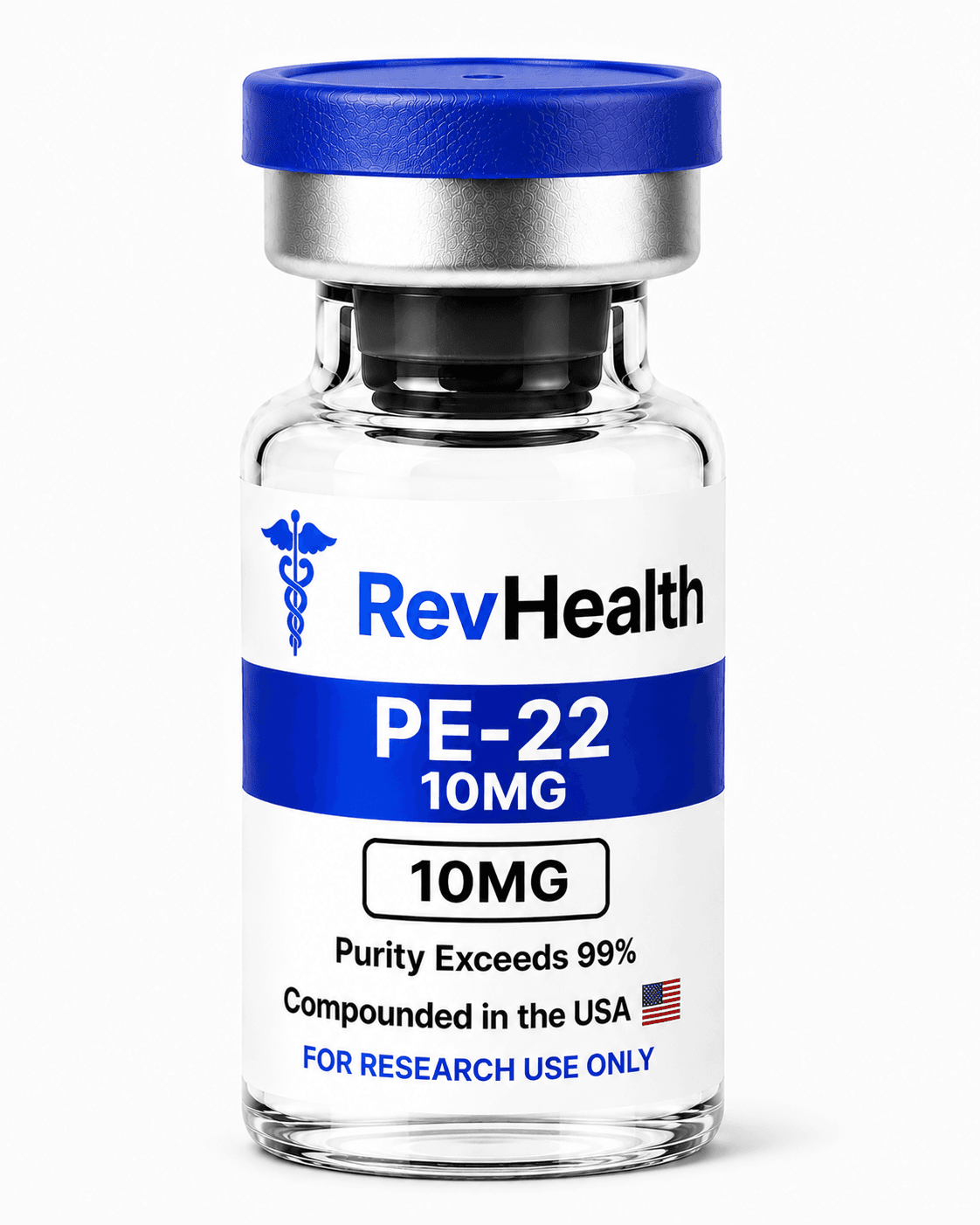
PE-228
Sortilin-derived neuropeptide for TREK-1 channel research
from $75
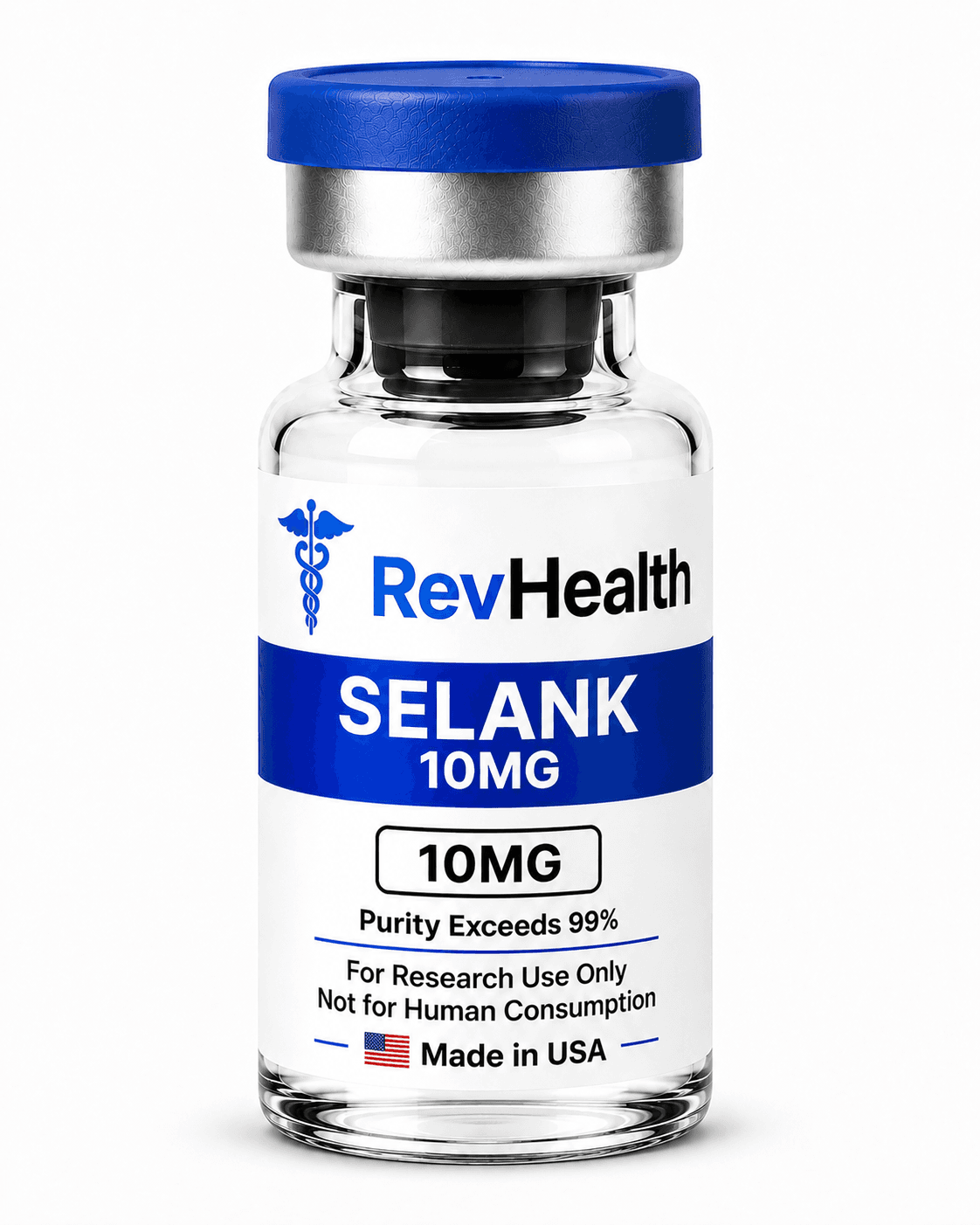
SELANK
Anxiolytic peptide for stress and cognitive research
from $55
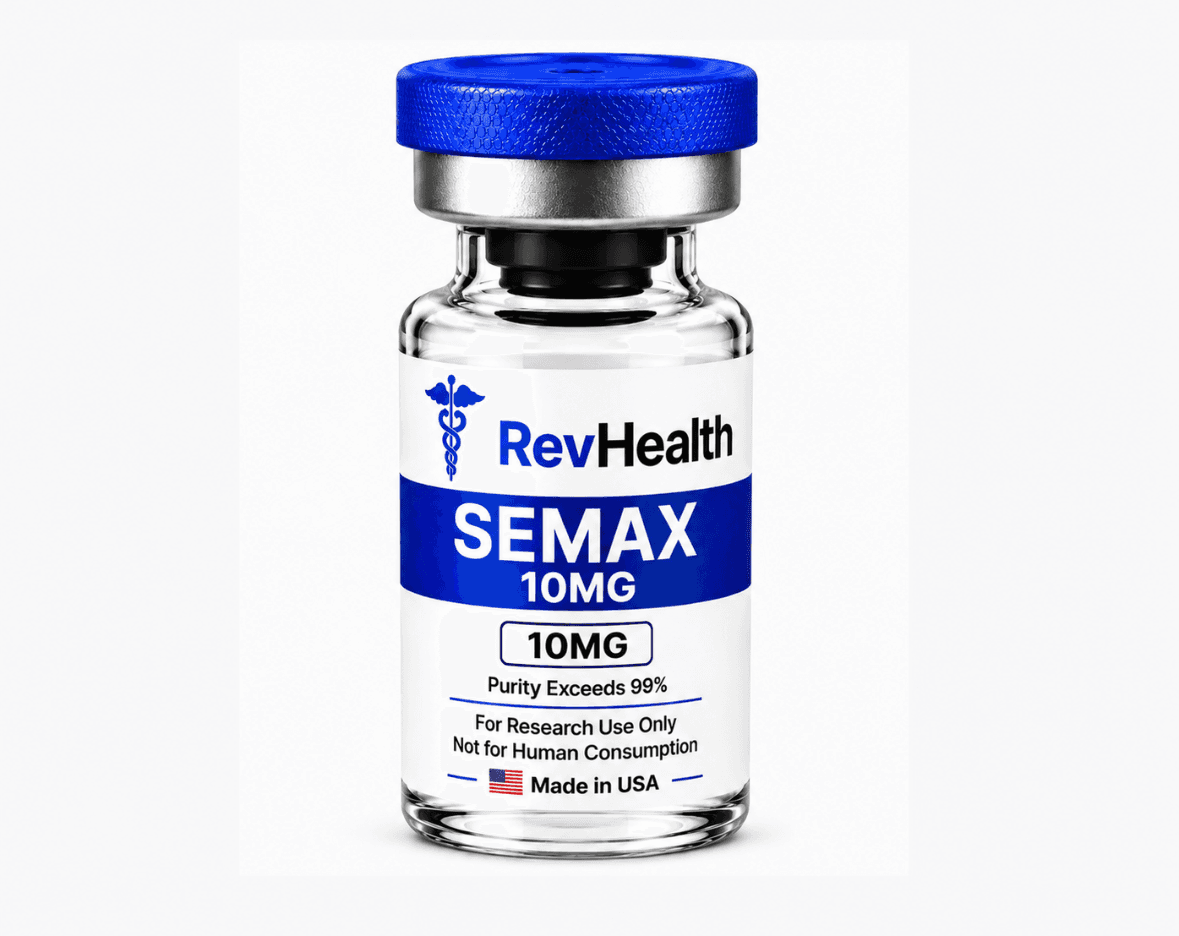
SEMAX
Nootropic peptide for cognitive and neuroprotective research
from $55
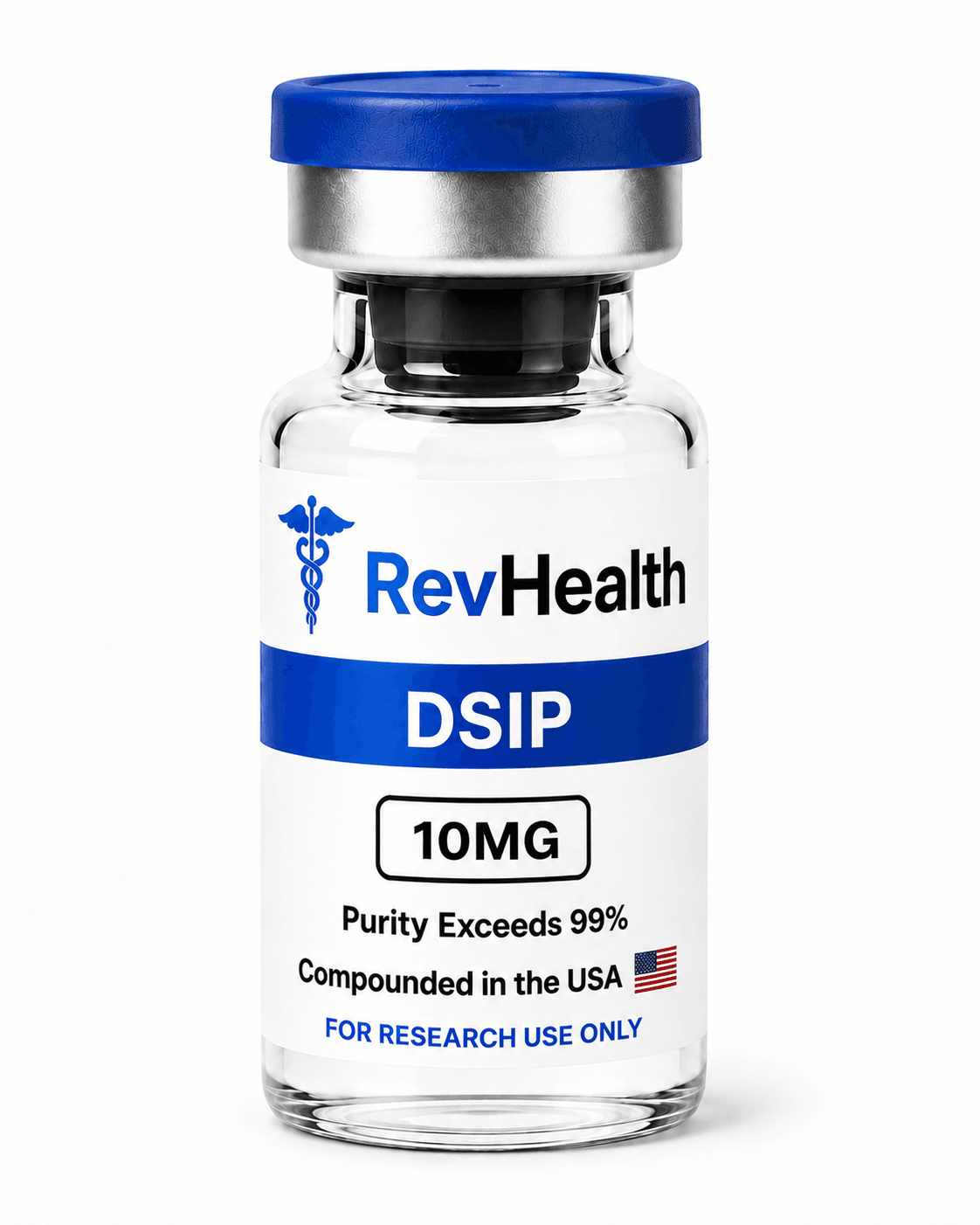
DSIP
Delta sleep-inducing peptide for sleep and stress research
from $60
Continue From This Update
Explore the research catalog behind these topics.
Browse verified research compounds with third-party analytical documentation and category-specific product pages.
Shop Research PeptidesResearch use only. This article is educational and does not constitute medical advice. Products referenced on Revitalized Health are not intended for human or veterinary use, diagnostic use, therapeutic use, or consumption.