
Peptide Research Report
Retatrutide, Amylin Analogs, and the Rise of Muscle-Preserving Research
The next wave of cardiometabolic peptide research is moving beyond weight loss alone and toward better body composition, stronger tolerability, and lean-mass preservation.
16.8%
Retatrutide weight-loss signal in Phase 3 topline data
10.7%
Amylin analog weight-loss signal with strong tolerability
92.2%
Fat-mass share of weight loss in Bimagrumab combination data
Main Story
Retatrutide Remains the Pipeline Standout
Retatrutide continues to be one of the most closely watched molecules in cardiometabolic research because of its triple-action GLP-1, GIP, and glucagon receptor activity.
In March 2026, Eli Lilly announced Phase 3 topline success in TRANSCEND-T2D-1. In adults with Type 2 Diabetes, the 12 mg dose achieved 16.8% average weight loss and up to a 2.0% A1C reduction over 40 weeks.
The most interesting signal is the apparent lack of a clear weight-loss plateau by the 40-to-48-week mark, which suggests the long-term curve may still have room to develop.
- Triple-action mechanism across GLP-1, GIP, and glucagon pathways.
- Phase 3 data showed strong weight and glycemic endpoints.
- Formal FDA submission is expected by late 2026, with potential launch timing around mid-2027.
Pipeline Watch
Amylin Analogs Are Entering the Spotlight
While Retatrutide is receiving much of the attention, long-acting amylin analogs are becoming a major area of interest because they may offer a different tolerability profile than classic GLP-1 approaches.
Petrelintide, also referenced in some research commentary as Petrelinitide, is being studied as an option for those focused on GLP-1 gastrointestinal tolerability challenges. Phase 2 data reported approximately 10.7% weight loss with placebo-like tolerability.
- Designed around long-acting amylin signaling.
- Reported minimal nausea or vomiting in Phase 2 data.
- Could become important for research models where GLP-1 tolerability is a limiting factor.
Research Trend
The Rise of Myostatin Inhibitors in the GLP-1 Era
As weight-loss peptides push the boundaries of fat loss, the next challenge is preserving lean mass and improving overall body composition. Traditional GLP-1 therapies can produce meaningful total weight loss, but a significant portion of that loss may come from lean tissue.
This has made myostatin inhibition one of the most important adjacent research categories in metabolic medicine.
- The research focus is shifting from scale weight to body composition.
- Lean-mass preservation may become a key differentiator in future metabolic protocols.
- Combination strategies are being studied across several major pipelines.
Bimagrumab: Muscle-Sparing Combination Research
Bimagrumab is a monoclonal antibody that binds Activin Type II receptors. By blocking those receptors, it reduces signaling from myostatin and activin pathways involved in muscle breakdown.
In Phase 2 BELIEVE data, researchers paired Bimagrumab with Semaglutide. The combination group reported that 92.2% of total weight loss came from fat mass, substantially protecting lean mass compared with what is often observed in weight-loss-only approaches.
Bimagrumab monotherapy also showed an increase in total body lean mass while participants were in a caloric deficit. Reported side effects were primarily muscle spasms, cramps, and mild acne.
Apitegromab and Selective Myostatin Inhibition
Apitegromab takes a more selective approach by targeting pro-myostatin, the precursor form of myostatin, rather than broadly blocking the receptor itself.
This strategy is being watched because it may reduce off-target activity in tissues such as the heart or bones while still supporting lean-mass preservation. EMBRAZE trial data reported greater lean-mass preservation when Apitegromab was studied alongside Tirzepatide.
Regeneron and Biohaven Are Testing New Angles
Regeneron is studying a cocktail-style approach that combines Semaglutide with Trevogrumab and Garetosmab to evaluate whether dual inhibition can support fat loss while reducing muscle-loss-associated metabolic slowdown.
Biohaven is developing Taldefgrobep Alfa, a fusion protein designed to act as a decoy by binding myostatin before it can reach muscle tissue. Phase 2 topline results are expected in the second half of 2026.
Final Takeaway
The Focus Is Moving From Weight Loss to Body Composition
The next phase of metabolic peptide research is no longer focused only on total weight loss. The emerging goal is better body composition: more fat loss, less lean mass loss, improved tolerability, and stronger long-term metabolic outcomes.
Triple agonists, amylin analogs, and myostatin inhibitors may define the next chapter of cardiometabolic research.
Related Compounds
Continue Researching This Category
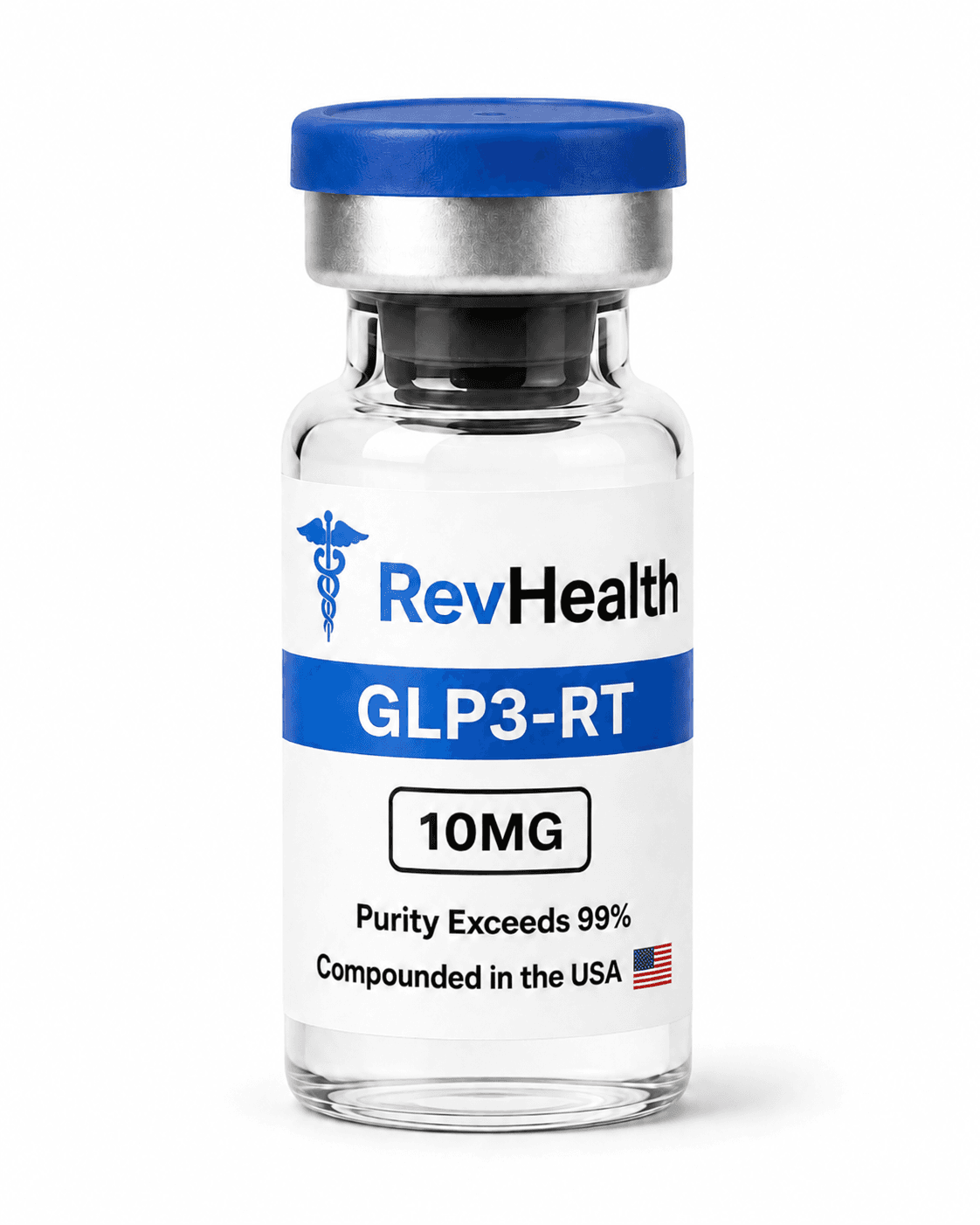
GLP3-RT
Triple GLP-1 / GIP / glucagon receptor agonist peptide. Research use only.
from $125
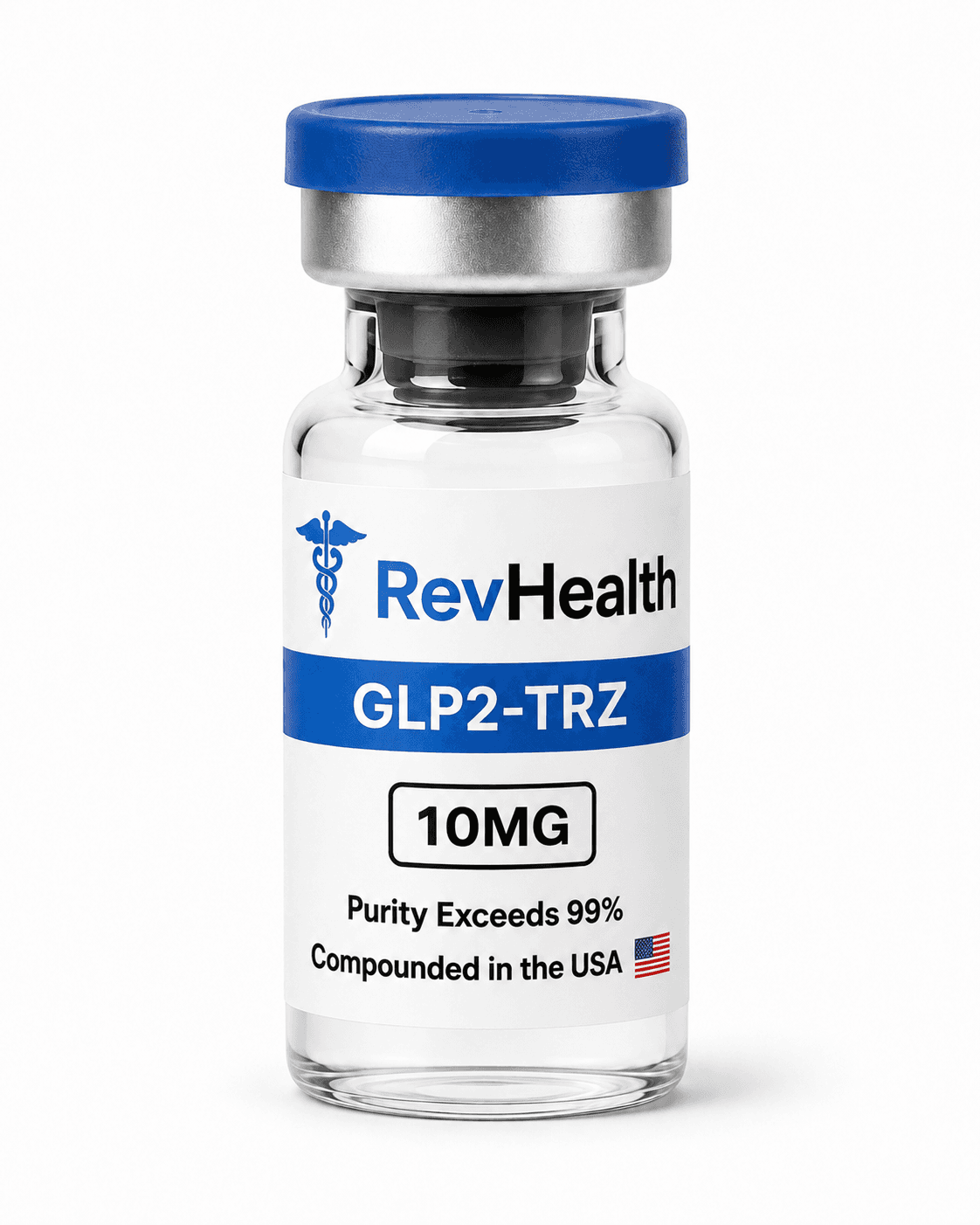
GLP2-TRZ
Dual GLP-1/GIP receptor agonist for metabolic research
from $109
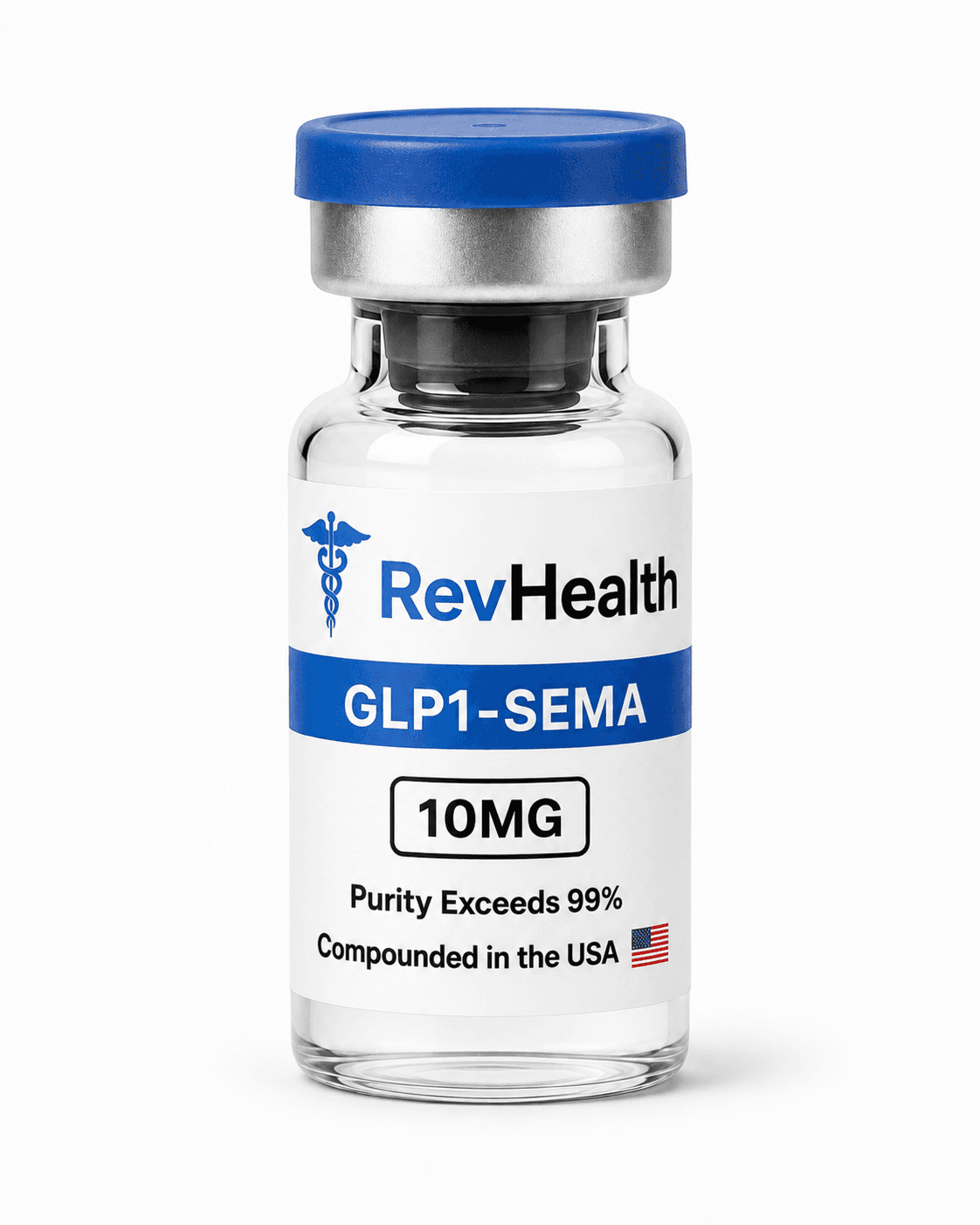
GLP1-SEMA
GLP-1 receptor agonist for metabolic research
from $83
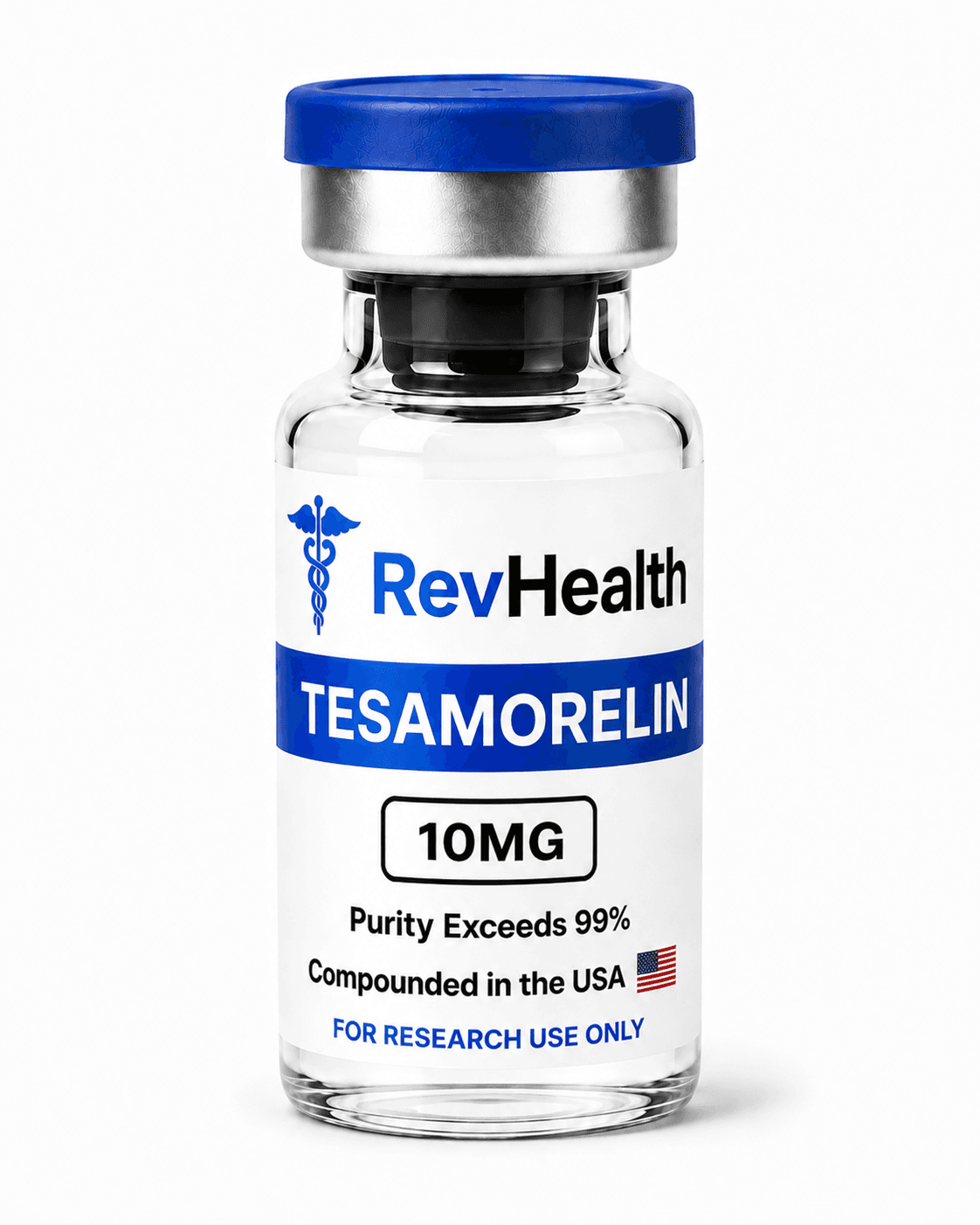
TESAMORELIN 10MG
GHRH analog for metabolic and body composition research
from $70
Continue From This Update
Explore the research catalog behind these topics.
Browse verified research compounds with third-party analytical documentation and category-specific product pages.
Shop Research PeptidesResearch use only. This article is educational and does not constitute medical advice. Products referenced on Revitalized Health are not intended for human or veterinary use, diagnostic use, therapeutic use, or consumption.