
Immunopeptide Deep Dive
Thymalin: The Russian Immunopeptide With 40+ Years of T-Cell Research
A thymus-derived polypeptide complex used as an immunocorrector in the former Soviet Union since 1982. The mechanism leans into T-lymphocyte differentiation and cytokine regulation — and the literature picked up steam again during the COVID-19 cytokine-storm research wave.
1982
Approved as an immunomodulator in the former Soviet Union
T-cell
Primary mechanism: hematopoietic stem cell → mature T-lymphocyte differentiation
Cytokine
Re-examined during COVID-19 as a cytokine-storm modulator
What it is
A thymus-derived polypeptide complex
Thymalin is a polypeptide complex isolated from the bovine thymus gland — not a single peptide but a defined fractional preparation used as an immunocorrector. It was approved for medical use in the former Soviet Union in 1982 and remains primarily a subject of Russian and Eastern European clinical and preclinical research, with a recent publication arc that grew during the COVID-19 immune-dysregulation work.
Unlike the synthetic single-sequence peptides typical of modern Western research (Thymosin Alpha-1, for example), Thymalin is a complex preparation. That difference matters when reading the literature: published studies often report Thymalin protocols rather than receptor-binding affinities, which is what you'd expect of an early-generation immunomodulator rather than a contemporary targeted drug.
Mechanism
T-cell differentiation, cytokine modulation, hemostasis
Three mechanistic threads run through the published Thymalin literature, each with its own dose-response and clinical context.
- T-lymphocyte differentiation — Thymalin is reported to drive maturation of hematopoietic stem cells into mature T-lymphocytes, with increased expression of activation markers (CD28 in particular) supporting restoration of T-cell populations during immune suppression.
- Cytokine regulation — operates as a balance corrector rather than a pure suppressor or stimulator. Studies during the COVID-19 era specifically explored its effect on pro-inflammatory cytokine cascades, framed as cytokine-storm modulation in patients with severe respiratory inflammation.
- Hemostasis — beyond direct immunological effects, the Khavinson / Kuznik program has reported effects on blood coagulation and fibrinolytic activity, with proposed clinical use in normalizing hemostasis in severe viral-infection populations.
Research applications
Where it actually shows up in the literature
The published work clusters in a few specific contexts that follow logically from the mechanism.
Immune restoration — historical use to normalize cellular and humoral immunity in patients with chronic pathology, immune dysfunction, or acute infectious disease. This is the original 1980s indication and the core use case in the Russian clinical canon.
Adjunctive use during viral infection — examined as a component of combination therapy for viral respiratory infections and pneumonia, with the COVID-19 cytokine-modulation work being the highest-profile recent example.
Geroprotective research — longitudinal studies have explored Thymalin's potential to restore immune function in elderly populations, with associated findings of reduced morbidity and mortality in those cohorts.
- Immune restoration in immune-suppressed populations.
- Adjunctive use during acute viral respiratory infections.
- Geroprotective protocols in elderly immune-decline cohorts.
Regulatory & safety
Approved in 1982 in the USSR, not FDA-approved in the US
Thymalin's regulatory profile is the single most important context for any research using it. It was approved for medical use in the former Soviet Union in 1982 — the long Russian clinical record dates from that. It is not FDA-approved for any human indication in the United States and has not gone through the contemporary placebo-controlled multi-center trial process that Western regulators expect.
The published literature consistently describes a favorable safety profile with few side effects, but that profile rests on the older Soviet-era trial methodology rather than modern Phase III standards. Treat the available data as research-grade rather than clinical-grade.
- Approved in the former USSR in 1982 as an immunomodulator.
- Not FDA-approved in the United States.
- Published safety profile is favorable but rests on older trial methodology.
Safety & disclaimers
Research use only
Thymalin is sold strictly for research and laboratory use. Not for human consumption, diagnostic, or therapeutic use. As with any research-grade peptide, follow institutional biosafety guidelines and treat lot-to-lot variability seriously — Thymalin is a complex polypeptide preparation rather than a single defined molecule.
References
Selected literature
Morozov, V. G., & Khavinson, V. K. (1997). Natural and synthetic thymic peptides as therapeutics for immune dysfunction. International Journal of Immunopharmacology, 19(9-10), 501–505.
Kuznik, B. I., Stepanov, A. V., Tsybikov, N. N., et al. (2013). Polypeptide drugs and hemostasis: a brief review. Biomeditsinskaia Khimiia, 59(2), 117–144.
Khavinson, V. K., Kuznik, B. I., et al. (2020). Thymalin: stimulation of T-cell differentiation and CD28 expression in immune-deficient models. Bulletin of Experimental Biology and Medicine.
Kuznik, B. I., & Khavinson, V. K. (2020). Thymalin in the complex treatment of severe COVID-19: cytokine modulation and hemostasis normalization. Russian clinical case series.
Khavinson, V. K., et al. (2021). Geroprotective potential of Thymalin in elderly immune-function decline. Advances in Gerontology.
Abu-Alya, M., et al. (2021). Historical review of bovine thymus polypeptide preparations.
Related Compounds
Continue Researching This Category
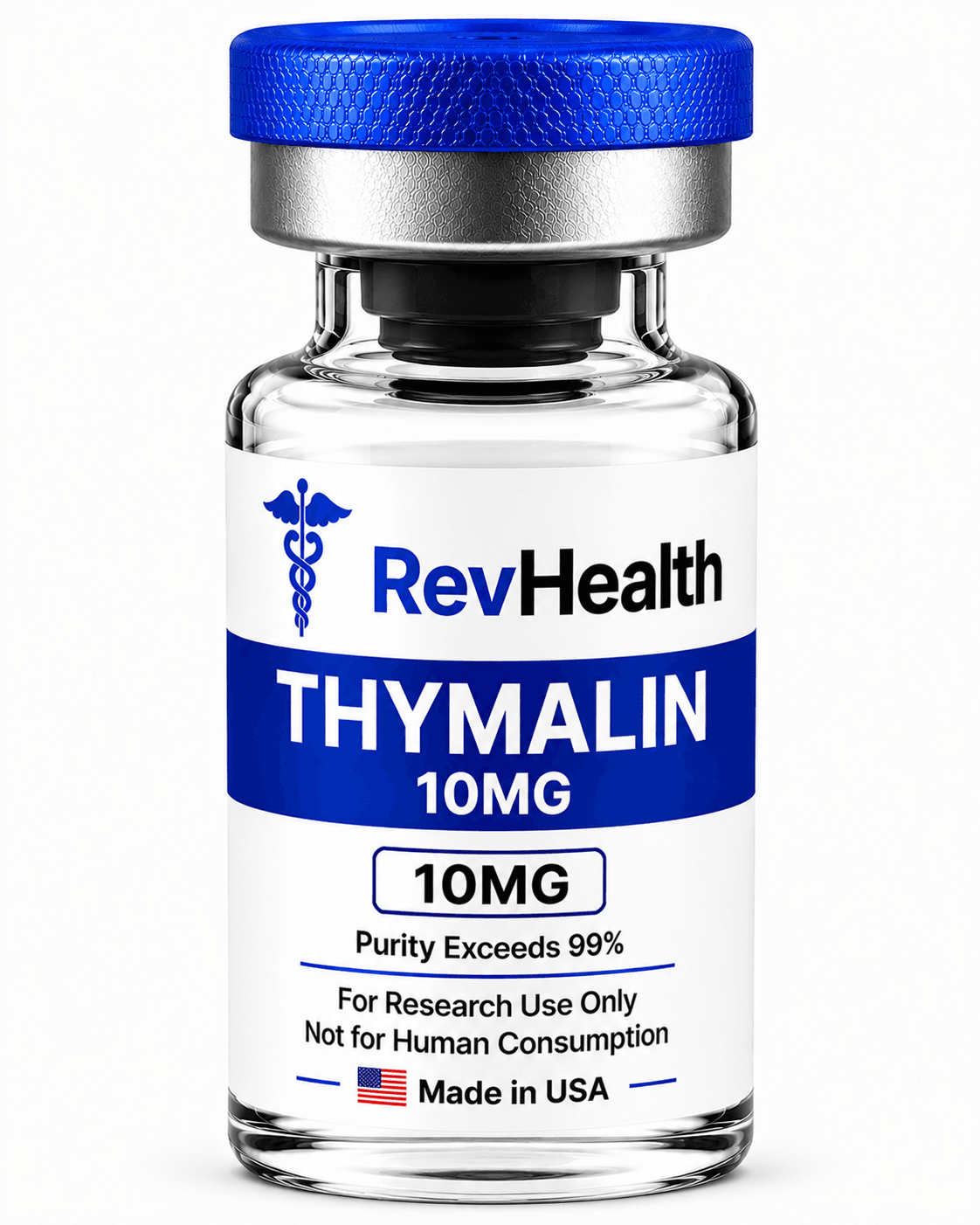
THYMALIN
Thymus-derived polypeptide complex for immune and aging research
from $70
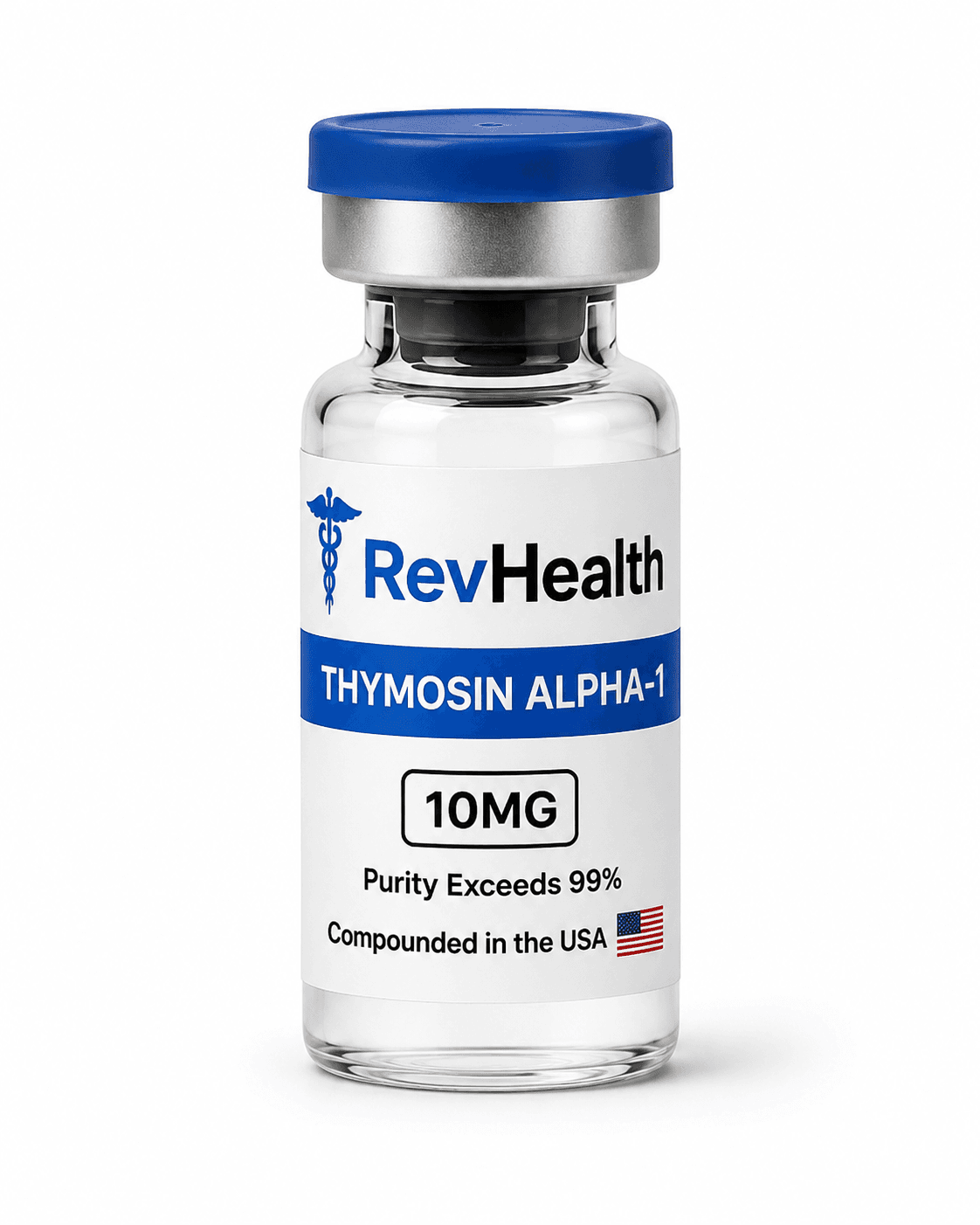
THYMOSIN ALPHA-1
Immune-modulating peptide for immunology research
from $75
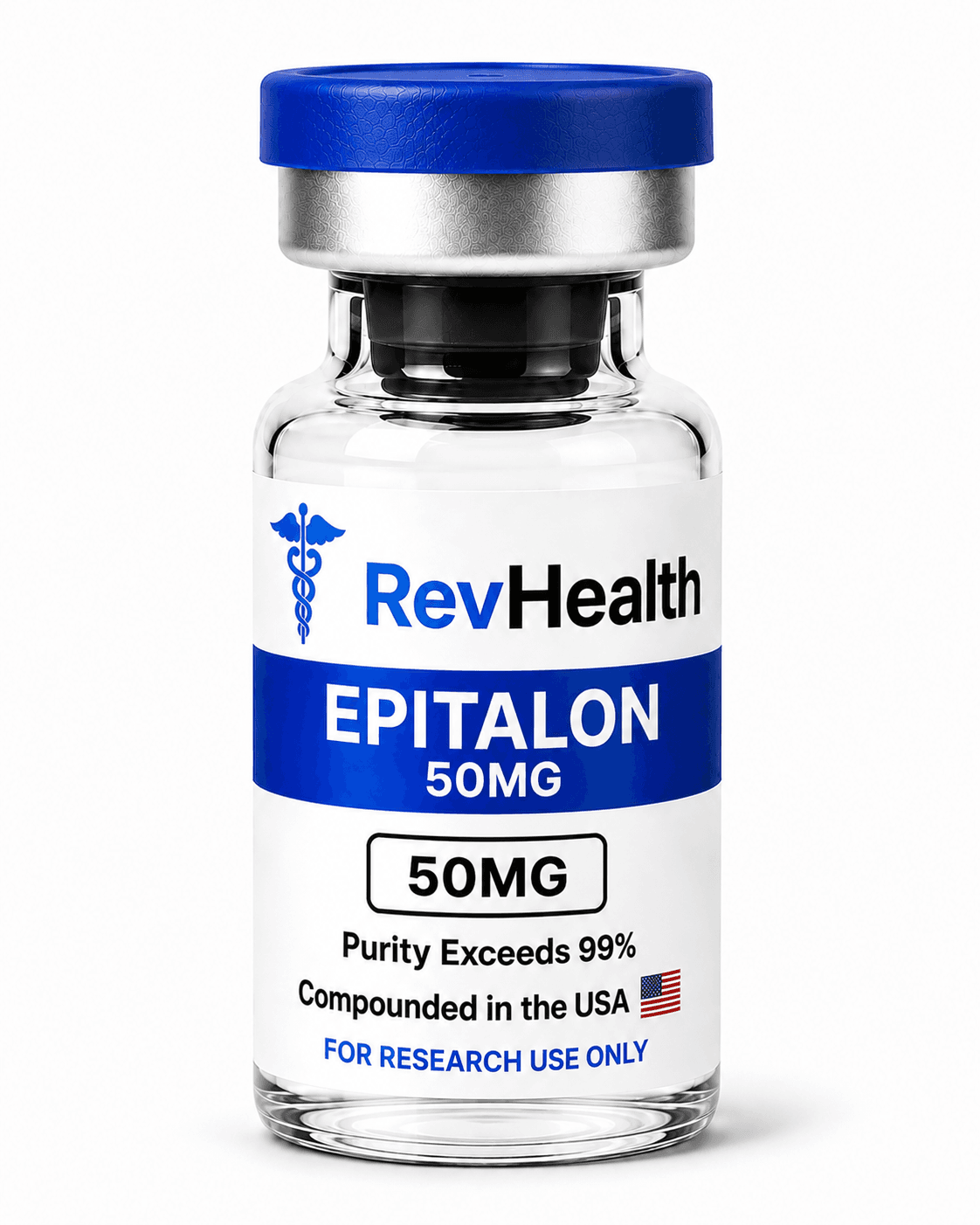
EPITALON
Telomerase activator for longevity research
from $75
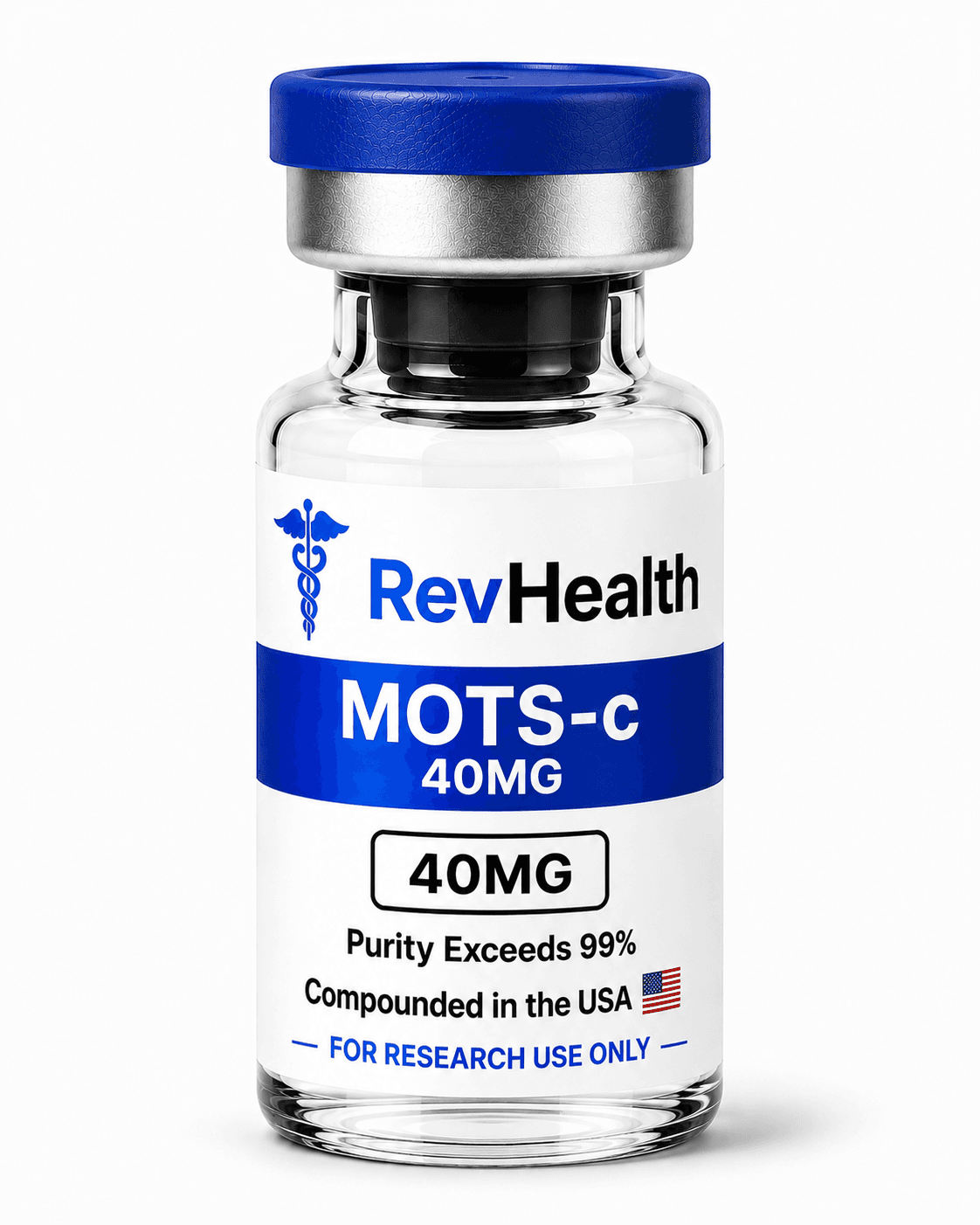
MOTS-C
Mitochondrial peptide for metabolic research (40 mg per vial)
from $70
Continue From This Update
Explore the research catalog behind these topics.
Browse verified research compounds with third-party analytical documentation and category-specific product pages.
Shop Research PeptidesResearch use only. This article is educational and does not constitute medical advice. Products referenced on Revitalized Health are not intended for human or veterinary use, diagnostic use, therapeutic use, or consumption.