
Neuropeptide Research Reference
VIP: A Systemic Research Profile of Vasoactive Intestinal Peptide
Vasoactive Intestinal Peptide is a naturally occurring 28-amino-acid messenger the body uses to keep several systems in balance. Across the literature it behaves like a multi-purpose 'repair and relax' molecule — dialing down inflammation, relaxing airway smooth muscle, modulating insulin release, and synchronizing the brain's master clock. Here is what the research describes across each of those systems.
28-aa
Amino-acid neuropeptide of the secretin/glucagon family
VPAC1/2
Class B GPCR receptors it binds to drive cAMP signaling
4 systems
Immune, respiratory, metabolic, and circadian research domains
Overview
What VIP actually is
Vasoactive Intestinal Peptide (VIP) might sound like a complicated science term, but it is essentially a natural messenger the body produces to keep its systems in balance. It is a 28-amino-acid neuropeptide of the secretin/glucagon family that signals through the VPAC1 and VPAC2 receptors.
Researchers often describe VIP as a multi-purpose 'repair and relax' molecule. When the body is dealing with chronic stress, runaway inflammation, or airway constriction, VIP is one of the endogenous signals that helps calm those systems down. The sections below summarize the major research domains — immune, respiratory, metabolic, and circadian — and the literature behind each.
Immune
Calming chronic inflammation and autoimmune signaling
The immune system acts like a defense force, but it can overreact and begin attacking the body's own tissue — the basis of autoimmune disease and chronic inflammation. In the literature, VIP behaves like a master volume dial, turning down the body's inflammatory signaling (Delgado & Ganea, 2011).
Mechanistically, it suppresses overproduction of the pro-inflammatory chemicals that drive swelling, joint pain, and tissue damage. This has made it a research target in models of Rheumatoid Arthritis, Multiple Sclerosis, and Crohn's Disease (Delgado et al., 2002). It is also studied in the context of chronic environmental illness and restoring immune tolerance (Gonzalez-Rey et al., 2007).
- Down-regulates pro-inflammatory chemical signaling.
- Studied in autoimmune models — RA, MS, Crohn's disease.
- Investigated for restoring immune tolerance after chronic activation.
Respiratory
Opening the airways
VIP is one of the body's most potent endogenous signals for telling the smooth muscle around the airways to relax and open (Wu et al., 2011). It also appears to protect pulmonary blood vessels from scarring and stiffening.
Because of that airway- and vascular-relaxing action, researchers examine VIP as a candidate tool in models of severe asthma, COPD, and pulmonary arterial hypertension — high blood pressure specific to the lungs (Wu et al., 2011).
- Relaxes airway smooth muscle to ease airflow.
- Studied in asthma, COPD, and pulmonary arterial hypertension models.
- Investigated for protecting pulmonary vasculature from stiffening.
Metabolic
Balancing blood sugar and metabolism
VIP plays a role in the pancreas, where insulin is produced. Research describes it as a context-sensitive assistant to metabolism: when blood sugar spikes after a meal, VIP contributes to the signal that releases insulin to bring it back down; when blood sugar runs low, that signaling shifts to help prevent a crash (Iwasaki et al., 2019).
Because of this bidirectional behavior, VIP is studied in the context of Type 2 Diabetes and metabolic syndrome, where the research interest is glucose regulation without driving dangerous hypoglycemia.
- Contributes to glucose-dependent insulin-release signaling.
- Bidirectional behavior studied as a buffer against lows.
- Investigated in Type 2 Diabetes and metabolic-syndrome models.
Circadian
Circadian reset and neuroprotection
The body runs on an internal ~24-hour clock — the circadian rhythm — and VIP is heavily concentrated in the suprachiasmatic nucleus, the exact brain region that governs it. There, VIP helps synchronize cells to the natural day/night cycle while also acting as a shield for neurons against stress and inflammation (Delgado & Ganea, 2011).
For that reason it is studied both for correcting severe circadian disruption — the kind produced by shift work, travel, or chronic stress — and for its neuroprotective potential in neurodegenerative research.
- Concentrated in the suprachiasmatic nucleus, the master clock.
- Studied for resynchronizing disrupted circadian rhythm.
- Investigated for neuroprotection against stress and inflammation.
References
Selected literature
Delgado, M., Abad, C., Martinez, C., Juarranz, M., Arranz, A., Gomariz, R., & Leceta, J. (2002). Vasoactive intestinal peptide in the immune system: potential therapeutic role in inflammatory and autoimmune diseases. Journal of Molecular Medicine, 80(1), 16–24.
Delgado, M., & Ganea, D. (2011). Vasoactive intestinal peptide: a neuropeptide with pleiotropic immune functions. Amino Acids, 45(1), 25–39.
Gonzalez-Rey, E., Anderson, P., & Delgado, M. (2007). Emerging roles of vasoactive intestinal peptide: a new approach for autoimmune therapy. Annals of the Rheumatic Diseases, 66(Suppl 3), iii70–iii76.
Iwasaki, M., Akiba, Y., & Kaunitz, J. D. (2019). Recent advances in vasoactive intestinal peptide physiology and pathophysiology: focus on the gastrointestinal system. F1000Research, 8, 1629.
Wu, D., Lee, D., & Sung, Y. K. (2011). Prospect of vasoactive intestinal peptide therapy for COPD/PAH and asthma: a review. Respiratory Research, 12(1), 45.
Safety & disclaimers
Research use only — not medical advice
This article is for educational purposes only. It summarizes published research and does not constitute medical advice, diagnosis, or treatment. The conditions named above describe research contexts, not approved uses — VIP is not an FDA-approved treatment for any of them.
All Revitalized research compounds are sold for research use only. Not for human consumption, diagnostic, or therapeutic use. Standard institutional biosafety guidelines apply.
Related Compounds
Continue Researching This Category
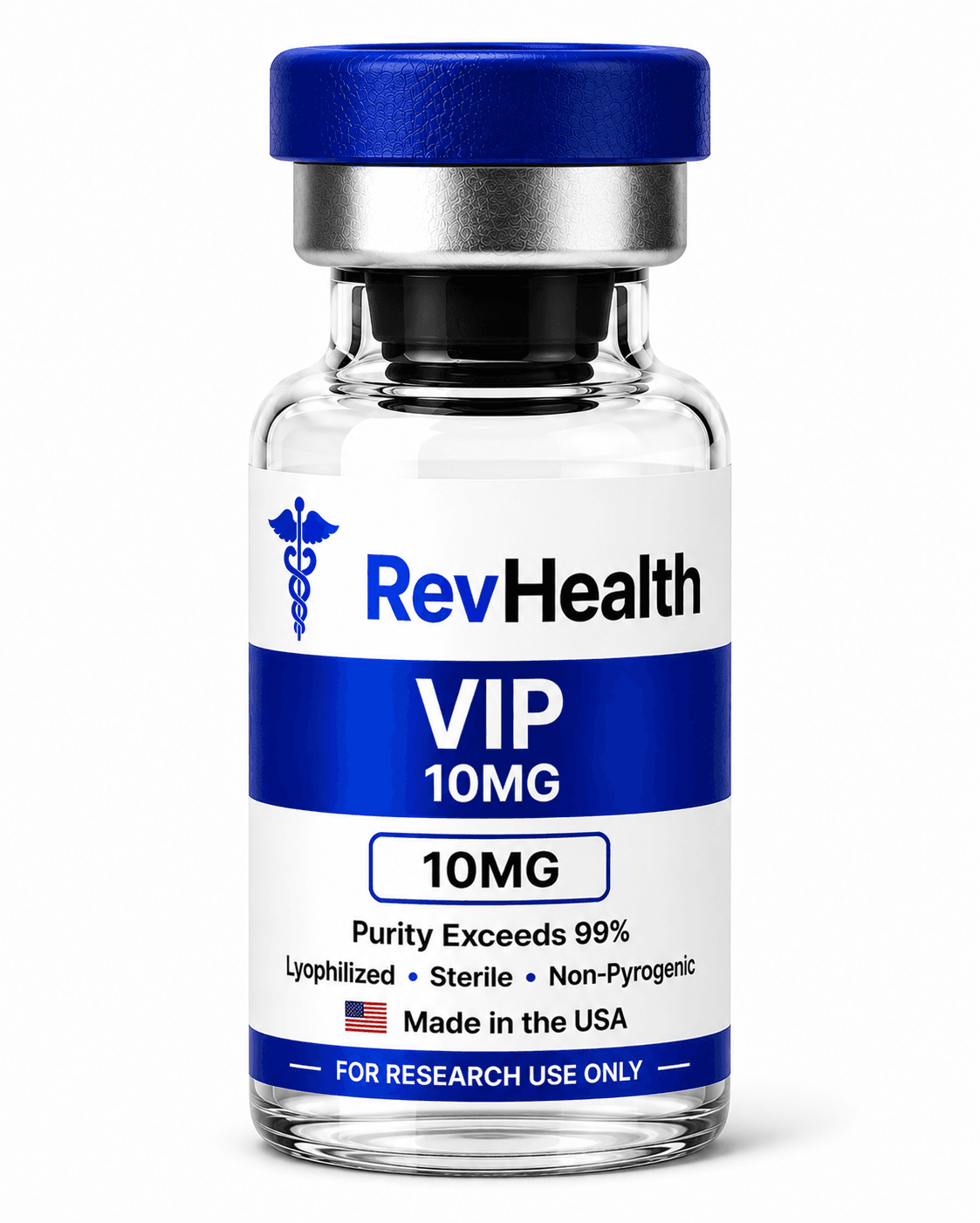
VIP
Vasoactive Intestinal Peptide — 28-aa neuropeptide research compound
from $75
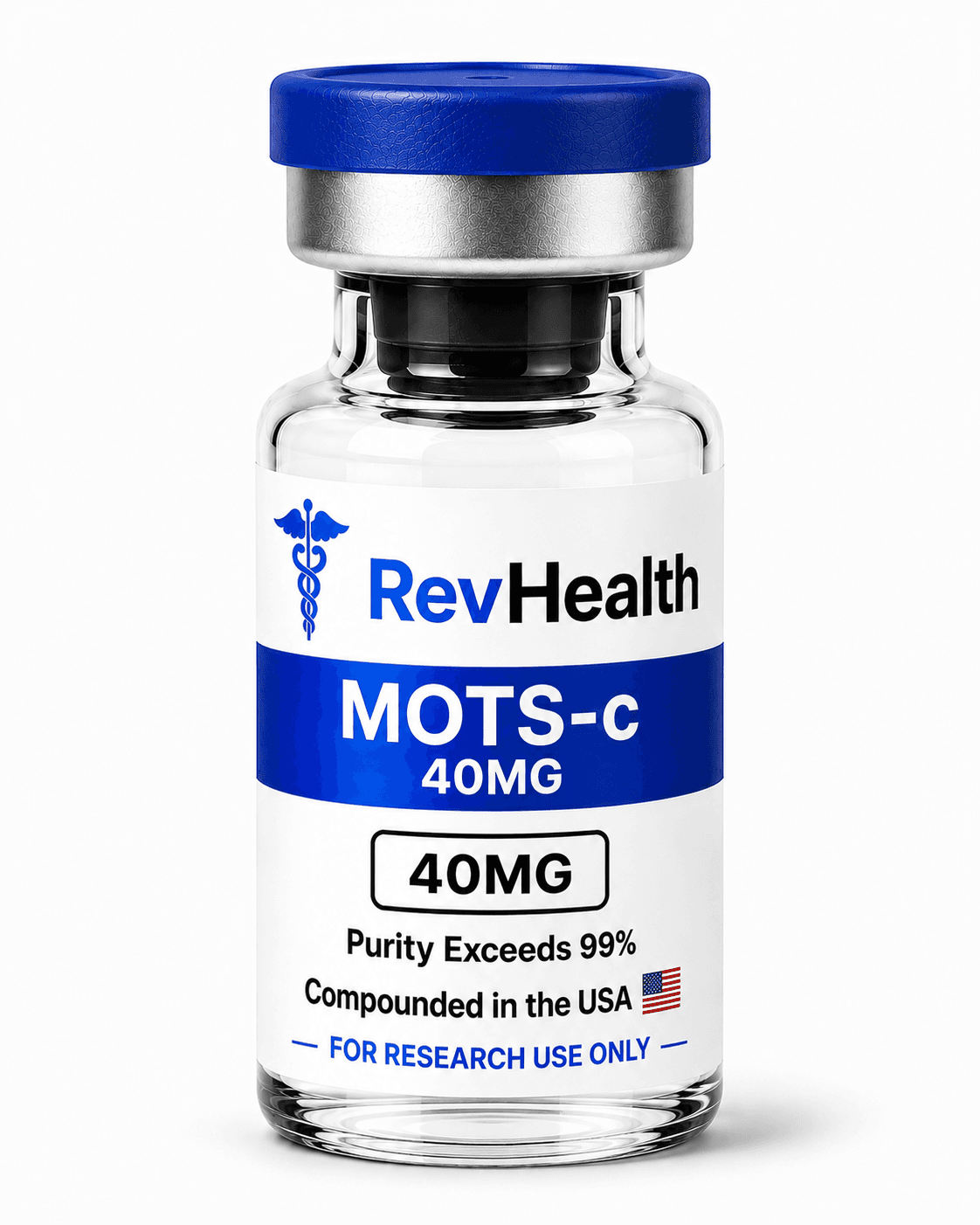
MOTS-C
Mitochondrial peptide for metabolic research (40 mg per vial)
from $70
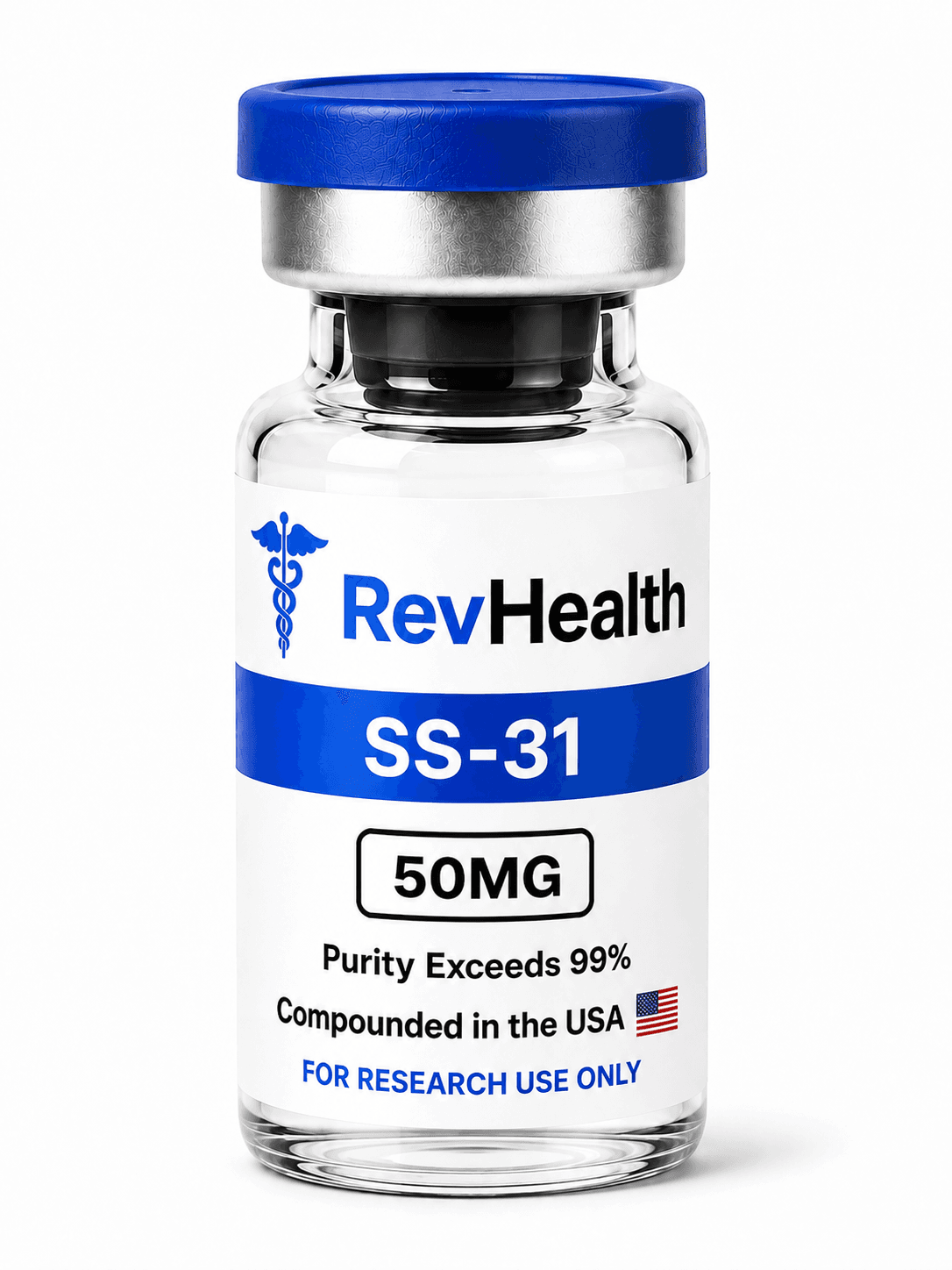
SS-31 50MG
Mitochondrial-targeted antioxidant peptide
from $75
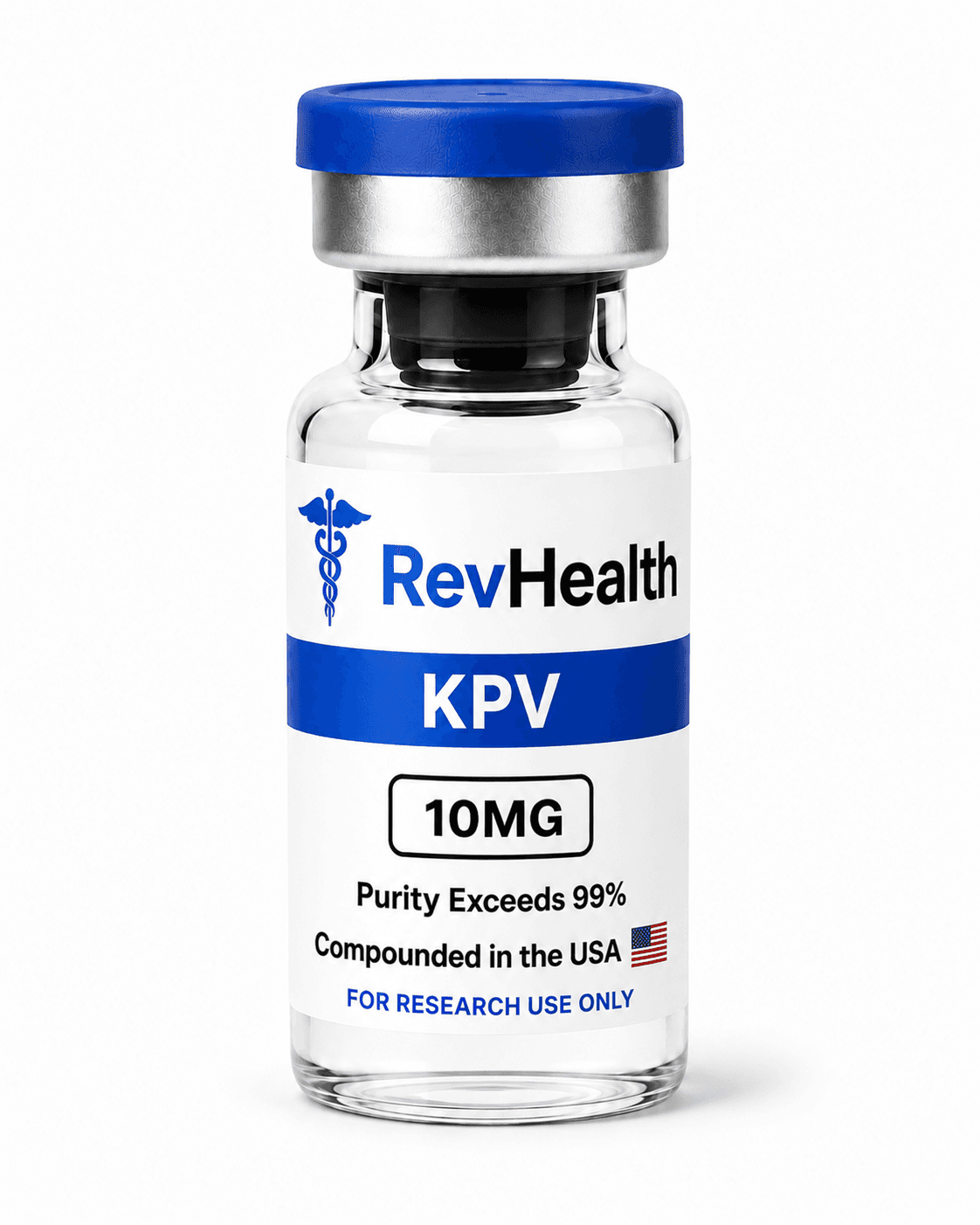
KPV 10MG
Anti-inflammatory tripeptide for gut health research
from $55
Continue From This Update
Explore the research catalog behind these topics.
Browse verified research compounds with third-party analytical documentation and category-specific product pages.
Shop Research PeptidesResearch use only. This article is educational and does not constitute medical advice. Products referenced on Revitalized Health are not intended for human or veterinary use, diagnostic use, therapeutic use, or consumption.